Institutional participation in digital assets continues to expand, but the pathway into the market looks very different from retail driven cycles of the past. Large financial institutions are not entering…


Institutional participation in digital assets continues to expand, but the pathway into the market looks very different from retail driven cycles of the past. Large financial institutions are not entering…
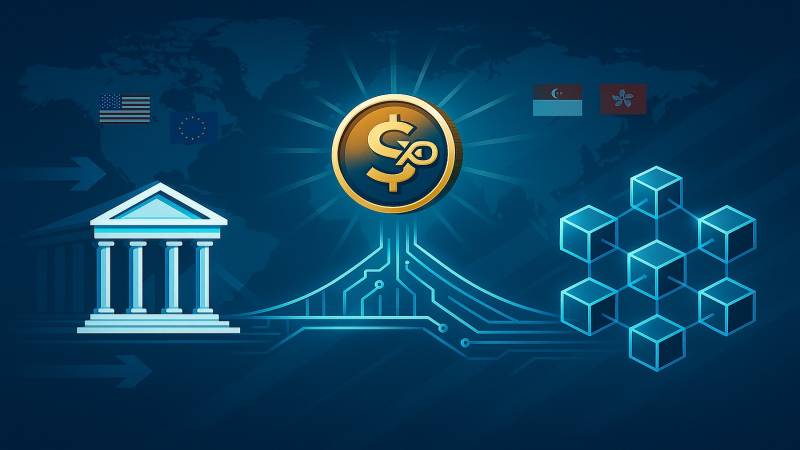
Stablecoin adoption has entered a more mature phase in 2026, shaped less by experimentation and more by regulatory alignment. Over the past few years, financial institutions approached stablecoins cautiously, often…

Institutional investors are increasingly redefining how they view stablecoins within the global financial system. What was once grouped with volatile crypto assets is now being assessed through the lens of…

Stablecoins have become a serious consideration for financial institutions, but adoption is rarely impulsive. Banks, asset managers, payment firms, and large enterprises approach stablecoin infrastructure with a structured evaluation process…

Stablecoin regulation is often portrayed as a threat to innovation, framed as an attempt to slow down or restrict technological progress. This interpretation misunderstands the primary objective of regulators and…

Stablecoins are often discussed in the context of market activity, but institutional evaluation follows a very different logic. For large financial organizations, stablecoins are not assessed as trading instruments or…

Stablecoins are no longer evaluated only by their ability to hold a fixed value. As institutional participation in digital finance deepens, the standards applied to stablecoins have become significantly more…

Institutional interest in stablecoins has grown steadily, but adoption has historically lagged behind experimentation. The primary constraint was not technology or demand, but uncertainty. For large financial institutions, unclear regulatory…
Stablecoin regulation is often discussed using technical language that obscures what regulators are actually trying to achieve. For institutions, policymakers, and market participants outside the crypto industry, this complexity can…

Stablecoins are no longer evaluated by institutions as niche crypto instruments. They are increasingly assessed as financial tools that interact directly with liquidity management, settlement processes, and regulatory obligations. This…