The global economy is becoming more fragmented. Trade blocs are tightening, regulatory regimes are diverging, and geopolitical tensions are reshaping how capital moves across borders. For institutions operating at scale,…

The global economy is becoming more fragmented. Trade blocs are tightening, regulatory regimes are diverging, and geopolitical tensions are reshaping how capital moves across borders. For institutions operating at scale,…
Stable assets are often discussed in the same way as other financial products, evaluated by market capitalization, trading volume, or short term demand. This framing suggests that their primary role…
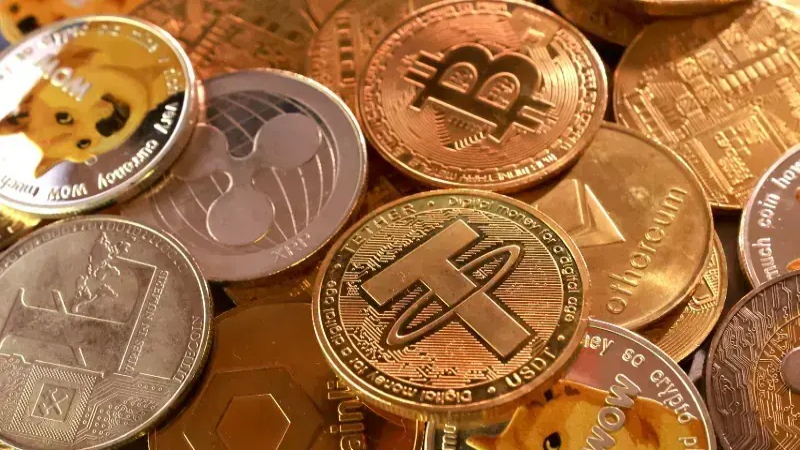
Stable assets have grown from niche financial instruments into mechanisms that interact directly with national payment systems and monetary frameworks. What initially appeared as a technical solution for digital transactions…
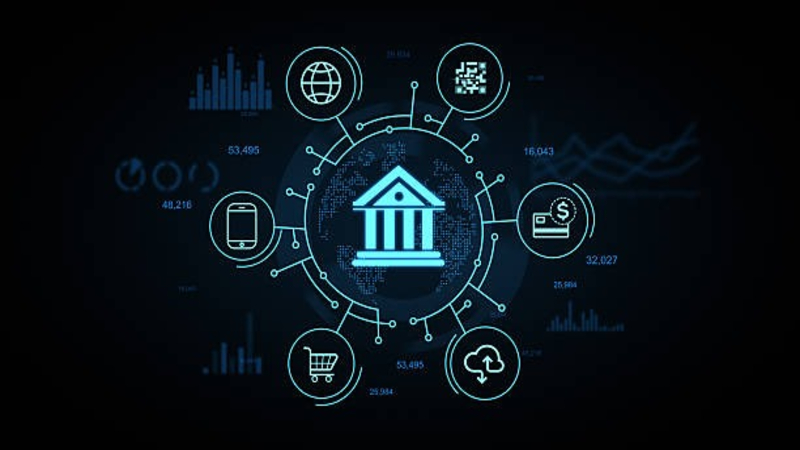
Stable assets emerged in global finance with little formal structure, often compared to shadow banking due to their limited oversight and rapid growth outside traditional systems. Early adoption was driven…
Wholesale financial markets rely on precise coordination. Large value transactions, funding operations, and interbank settlements depend on systems that move liquidity predictably and on time. While trading technology has advanced…

The international financial system is moving toward a new phase of integration where digital assets, stablecoins, and tokenized reserves coexist with traditional currencies under unified regulatory standards. By 2026, global…