Crypto markets moved higher as political pressure on US monetary policy intensified, pushing investors toward alternative assets while enforcement activity across stablecoins accelerated. Bitcoin traded above the $92,000 level as traders reacted to rising tensions between President Donald Trump and Federal Reserve Chair Jerome Powell, renewing debate around central bank independence and policy direction. Privacy focused assets also saw strong gains as investors rotated toward censorship resistant instruments amid broader macro uncertainty. The rally unfolded against a backdrop of heightened scrutiny across digital asset markets, where regulatory signals and political risk continue to influence positioning. Market participants increasingly viewed crypto as both a hedge against institutional instability and a liquidity driven trade, with price action reflecting a shift away from late cycle excess toward more selective allocation across major tokens and infrastructure linked assets.
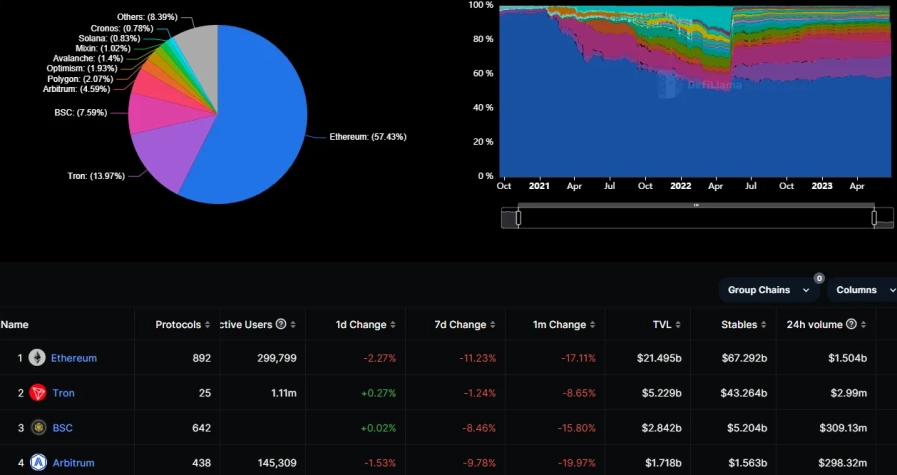
Alongside market moves, stablecoin issuer Tether carried out a significant enforcement action by freezing approximately $182 million in USDT tied to five wallet addresses on the Tron network. The action was executed within a single day and followed a formal request connected to an ongoing law enforcement investigation. Tether has maintained a policy of cooperating with authorities and blacklisting wallets linked to unlawful activity when required. The latest freeze adds to billions of dollars in USDT that have been restricted globally over recent years, reinforcing the role of centralized stablecoin issuers as compliance enforcement points within otherwise open blockchain systems. The move highlights how stablecoins have become deeply embedded in both legitimate financial activity and illicit flows, placing issuers at the center of regulatory coordination efforts worldwide.
The enforcement action came as institutional and corporate activity in bitcoin also picked up, with Strategy executing its largest purchase in six months and expanding its already substantial holdings. The accumulation signaled continued confidence among long term holders even as near term volatility remains elevated. At the policy level, analysts increasingly point to 2026 as a critical window for advancing crypto market structure legislation in the United States, particularly around stablecoin oversight and exchange rules. Meanwhile, banks and regulators remain cautious about the growing scale of digital dollar instruments and their potential impact on traditional deposits. Together, rising enforcement, political tension, and renewed institutional buying underscore a maturing crypto market where price movements, regulation, and infrastructure decisions are now tightly interconnected.