Stablecoins have moved from niche experiments to systemic financial instruments, reshaping global liquidity, settlement, and regulatory debates.
Introduction
By 2025, stablecoins have cemented their role as one of the most important pillars of digital finance. Once considered speculative tools, they now function as settlement assets, collateral for decentralized finance (DeFi), and liquidity anchors for institutions. Market capitalizations have soared into the hundreds of billions, with daily transaction volumes rivaling those of traditional payment systems.
Yet with this rise comes systemic responsibility. Stablecoins are no longer insulated from broader markets. They intersect with central bank policies, international settlements, and compliance frameworks. Institutions allocating billions into stablecoin portfolios must balance opportunities with growing systemic risks. This report provides an in-depth overview of the global stablecoin landscape in 2025, highlighting adoption trends, market structure, and vulnerabilities.
Market Growth and Capitalization
Explosive Growth
Stablecoins now represent a multi-trillion-dollar annual settlement system. The top five issuers dominate supply, but a long tail of niche tokens supports specific ecosystems.
Institutional Entry
Banks, hedge funds, and corporates have become significant holders, often using stablecoins for treasury operations and cross-border settlements.
Regional Adoption Patterns
North America: Regulatory clarity has accelerated institutional adoption.
Europe: Stablecoins are integrated into payment systems alongside digital euro pilots.
Asia: High adoption in trade settlement and remittances.
Africa & Latin America: Stablecoins are used to hedge against currency instability.
Institutional Adoption
Treasury Operations
Corporates hold stablecoin reserves for efficiency in cross-border settlements, reducing dependence on correspondent banks.
Hedge Funds and Asset Managers
Funds use stablecoins as collateral for leveraged trading, liquidity provision, and arbitrage strategies.
Banks and Custodians
Traditional institutions now offer insured custody and settlement services, bridging stablecoins and fiat systems.
Regulators
Supervisory bodies have moved from skepticism to structured oversight, focusing on redemption guarantees, audits, and systemic risk reporting.
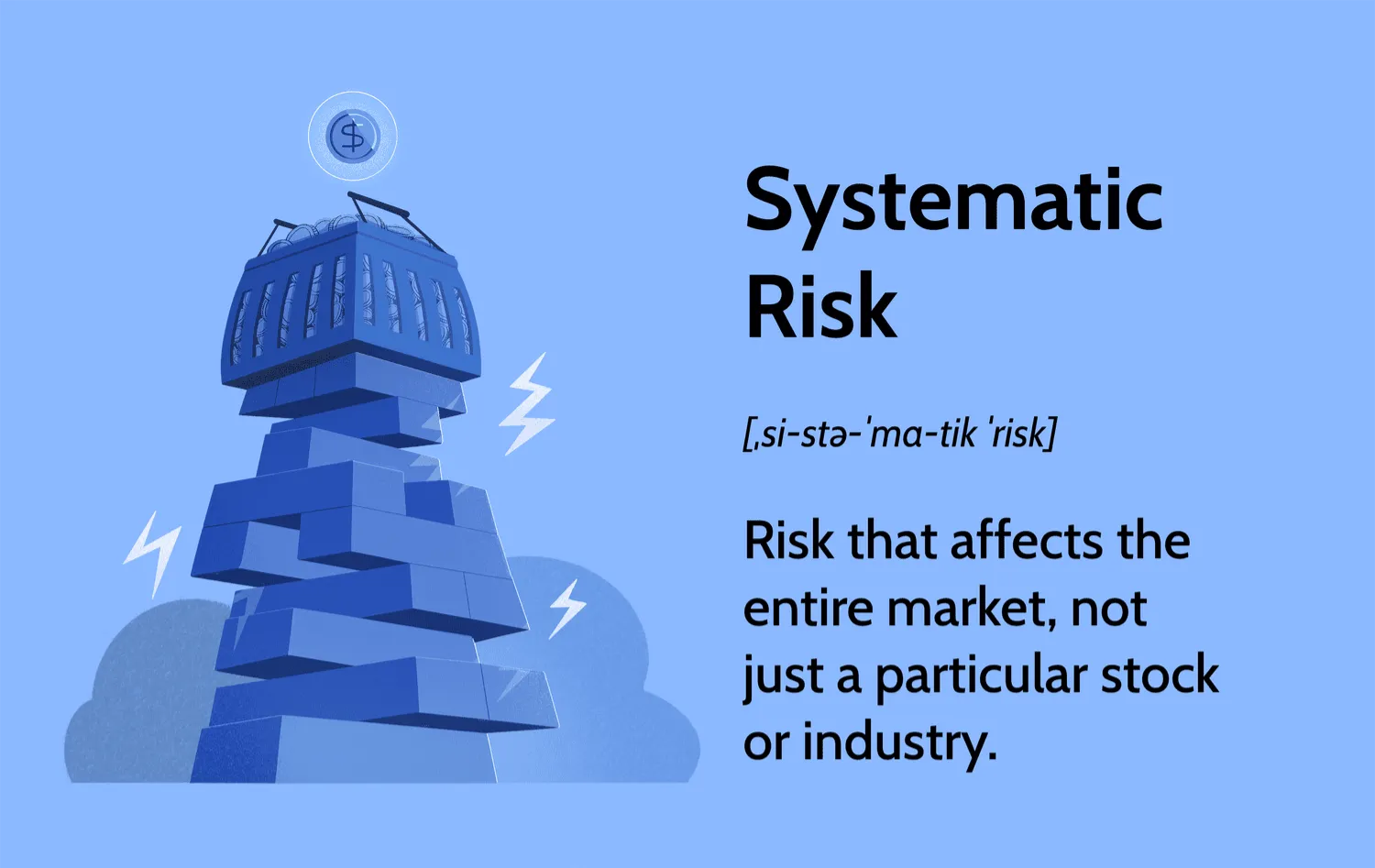
Systemic Risks Emerging in 2025
Peg Instability Under Stress
Despite growth, several stablecoins still face challenges maintaining their peg during redemption surges.
Whale Concentration
Top wallets hold disproportionate supply, raising concerns about systemic vulnerabilities.
Cross-Chain Fragmentation
Stablecoins spread across dozens of ecosystems create liquidity inefficiencies and monitoring challenges.
Regulatory Divergence
While some jurisdictions embrace stablecoins, others impose restrictions, creating operational complexity for institutions.
Cybersecurity and Custody Risks
Hacks, bridge exploits, and custodial failures remain persistent threats.
Institutional Tools for Managing Risks
Risk Dashboards combining peg, liquidity, and compliance data.
Stress Testing Engines simulating redemption runs and market shocks.
Compliance Monitoring screening transactions against global sanctions.
AI Analytics predicting systemic stress before it escalates.
Case Studies
Settlement Efficiency
A multinational reduced settlement costs by 70 percent after adopting stablecoins for trade finance, demonstrating institutional efficiency gains.
Redemption Stress
During a regional banking crisis, redemption surges tested stablecoins with weaker frameworks, highlighting the importance of robust reserves.
Regulatory Integration
A European bank adopted stablecoins in compliance with digital euro frameworks, proving coexistence is possible.
Role of Artificial Intelligence
AI now plays a defining role in monitoring stablecoin markets.
Forecasting peg risks.
Detecting whale-driven volatility.
Modeling liquidity fragmentation.
Automating compliance alerts.
Institutions increasingly treat AI as mandatory for stablecoin oversight.
Best Practices for Institutions
Diversify Across Tokens and Chains to reduce concentration risks.
Evaluate Redemption Mechanisms before allocating capital.
Adopt Predictive Dashboards for real-time oversight.
Engage Regulators Proactively to align with emerging frameworks.
The Road Ahead
By 2025, stablecoins are no longer optional for institutions. They are systemic instruments at the heart of global liquidity. Their growth has been rapid, but their future depends on addressing risks of concentration, redemption, and regulatory divergence. Institutions that combine diversification with predictive oversight will thrive. Those that ignore governance and systemic risks will face challenges.
Stablecoins are at an inflection point: from high-growth disruptors to globally embedded infrastructure. The next phase will define whether they achieve sustainable trust.