Tokenization of real world assets remains in the early stages of its development cycle, even as market enthusiasm continues to build. Industry specialists say that while the potential market size is enormous, the sector must focus on practical use cases and regulatory alignment if it is to move beyond experimentation and into mainstream financial infrastructure.
Executives from firms including Securitize and Ondo recently outlined differing approaches to bringing traditional financial assets onto blockchain networks. The broader concept of tokenization involves representing assets such as government bonds, equities, or funds as digital tokens on blockchains like Ethereum. Proponents argue that this model can improve settlement speed, reduce operational friction, and embed compliance rules directly into asset design.
Supporters often point to the sheer scale of traditional markets. The United States Treasuries market alone is valued in the tens of trillions of dollars, while global equities represent an even larger pool of capital. Tokenization advocates believe that even a small percentage of these markets moving on-chain would represent a significant structural shift in how assets are issued, traded and settled.
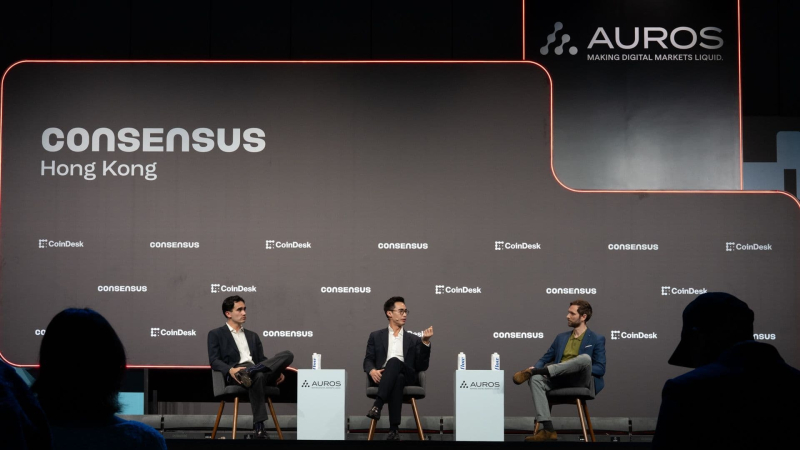
Despite that promise, specialists caution against assuming that demand automatically translates into sustainable adoption. Graham Ferguson of Securitize emphasized that distributing tokenized assets effectively and assigning clear utility to them remains a central challenge. In his view, matching hype with tangible benefits such as automated compliance, improved transparency and streamlined ownership tracking is critical.
Securitize’s strategy focuses on issuing regulated securities natively on blockchain networks, working closely with regulators in jurisdictions such as the United States and the European Union. This approach prioritizes compliance, including mechanisms to track beneficial ownership and ensure that only approved investors can hold or transfer certain assets. While this model may introduce complexity when interacting with decentralized finance protocols, it aims to align tokenized products with existing securities laws.
Ondo, by contrast, has adopted what it describes as a wrapper model. In this structure, traditional assets are represented by tokens that can be transferred within blockchain ecosystems under defined compliance rules. Some products operate in a permissioned format where transfers are limited to whitelisted addresses, while others are designed to interact more freely with decentralized finance applications once regulatory conditions are satisfied.
This wrapper approach has allowed rapid expansion of tokenized offerings, including stocks and exchange traded funds. It also enables tokenized equities to be used as collateral within margin and lending systems, expanding their functionality beyond simple ownership representation.
Both models highlight a broader debate within tokenization about speed versus regulatory depth. Faster deployment may accelerate market reach, but long term sustainability may depend on how well these structures integrate with established legal frameworks. Industry observers note that regulators are increasingly examining tokenization as a potential foundation for future market infrastructure rather than viewing it solely as a niche experiment.
As digital asset markets evolve, tokenization’s trajectory will likely depend on its ability to demonstrate clear operational advantages and investor protections. While enthusiasm remains strong, specialists agree that translating theoretical potential into scalable, compliant products will determine whether tokenization matures into a core pillar of global finance.