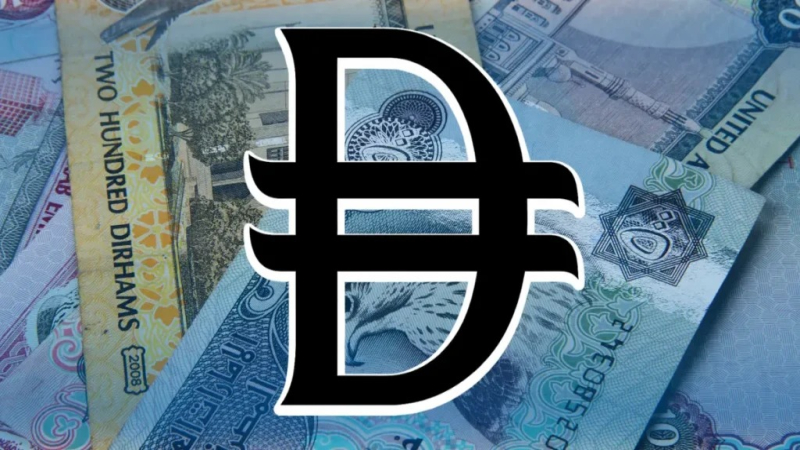
The United Arab Emirates is moving into a new phase of regulated digital money as local banks expand their role in issuing dirham-backed stablecoins. RAKBank has received in-principle approval from the Central Bank of the United Arab Emirates to issue a payment token pegged one to one with the national currency. The approval signals regulatory alignment rather than final authorization, requiring the bank to meet operational and compliance conditions before live issuance. Still, the move reflects growing institutional confidence in stablecoins as a component of domestic and cross-border payment infrastructure. Unlike earlier experiments driven by crypto native firms, this phase is increasingly led by regulated banks operating under direct supervisory oversight, reinforcing the view that stablecoins are becoming an extension of traditional financial systems rather than an alternative to them.
RAKBank’s proposed token is structured to be fully backed by segregated dirham reserves held in regulated accounts, with governance enforced through audited smart contracts and real time reserve attestations. This design mirrors the cautious approach favored by policymakers seeking to modernize payments while preserving trust and financial stability. The initiative builds on the bank’s earlier steps into digital assets, including enabling retail crypto access through regulated partners. Within the UAE, dirham-referenced payment tokens are intended to improve settlement efficiency, support digital commerce, and streamline remittance flows in a market with significant cross-border payment demand. By anchoring stablecoin issuance within existing banking frameworks, authorities appear focused on incremental integration rather than disruptive transformation, prioritizing reliability and compliance over rapid experimentation.
The competitive landscape for dirham stablecoins is widening as telecom firms, global issuers, and regional institutions pursue parallel initiatives under different regulatory pillars. Federal regulators and financial free zones have each defined roles for supervising stablecoins, virtual asset providers, and tokenized financial products, creating a layered but coordinated regime. While approvals are increasing, key questions remain around blockchain infrastructure choices, interoperability with global stablecoin rails, and how federal and free zone rules will interact once tokens are used for real economic activity. Adoption will ultimately depend on whether businesses and consumers find clear cost or efficiency advantages. As banks move closer to live issuance, the UAE is positioning itself as an early test case for how state currency stablecoins can function within a tightly regulated yet innovation-oriented financial environment.