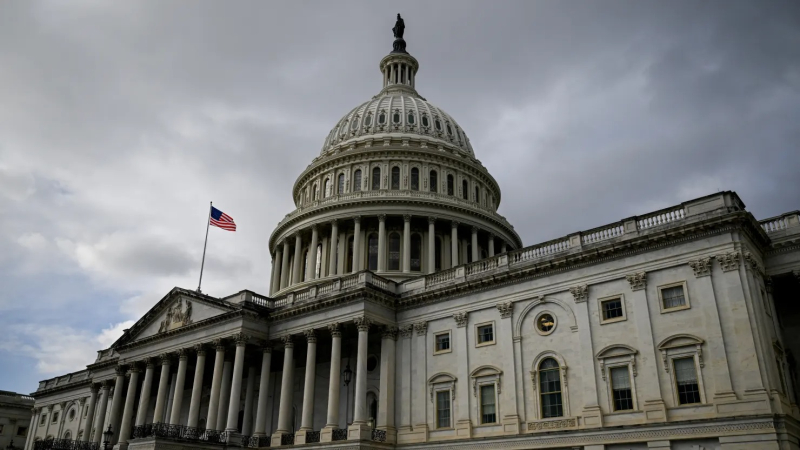
US lawmakers are preparing to revive efforts to pass a long awaited crypto market structure bill, reopening a legislative process that stalled last year but is now viewed as critical to the future of digital assets in the country. This week, the Senate Agriculture and Banking Committees are expected to hold hearings to revise and advance their respective sections of the legislation, which would later be merged into a single framework for a full Senate vote. The bill is designed to establish clearer rules for a multitrillion dollar industry that has long operated amid regulatory uncertainty. Supporters argue that defined guardrails could encourage innovation, draw crypto firms back to the United States, and provide investors with more predictable oversight. With political momentum returning in early 2026, lawmakers see the coming weeks as a narrow window to move the bill forward before competing priorities and election dynamics slow progress.
At the core of the proposal is an effort to clarify regulatory responsibilities between agencies such as the Securities and Exchange Commission and the Commodity Futures Trading Commission, while creating clearer classifications for digital tokens and standards for exchanges, brokers, and service providers. Negotiations are expected to focus heavily on stablecoins, particularly whether issuers or affiliates should be allowed to offer rewards or yield like features to users. Banking groups have raised concerns that such products could compete directly with deposits, while crypto advocates argue they are a natural evolution of digital payments. Lawmakers are also debating how decentralized finance should be treated, with industry groups pushing to ensure software developers are not held liable for how open source tools are used, and that individuals retain the right to self custody their assets.
Another sensitive issue is whether elected officials should be restricted from profiting from crypto ventures while in office, a topic that has gained attention following digital asset projects linked to Donald Trump. Some senators have signaled that ethics provisions should be addressed directly rather than deferred, even if that complicates negotiations. Once committee drafts are finalized, they are expected to be combined into a single bill that could spend weeks on the Senate floor before moving further through the legislative process. Industry groups are urging swift action, warning that momentum could fade ahead of the 2026 midterm elections. For crypto markets, passage of a comprehensive framework is widely seen as a turning point that could reshape investment, compliance, and long term adoption in the United States.