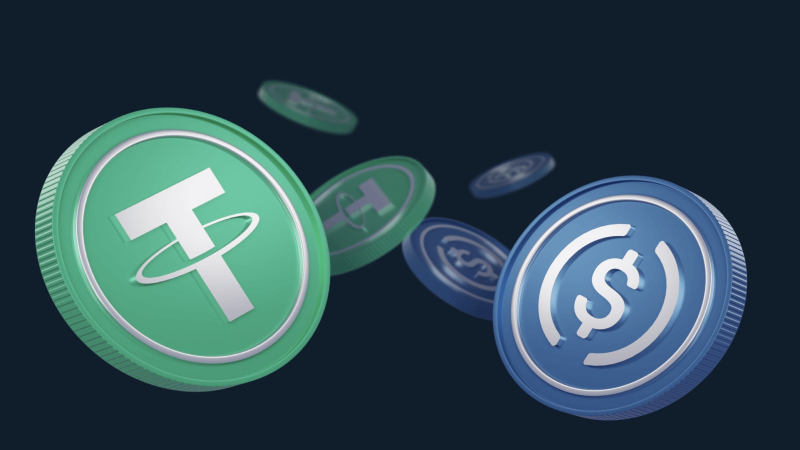
A significant shift has emerged in the stablecoin market as USDC surpassed USDT in annual transaction volume for the first time, signaling changing dynamics beneath headline market capitalizations. Data from 2025 shows that USDC processed $18.3 trillion in onchain transfers compared with $13.2 trillion for USDT, despite USDC maintaining less than half of its rival’s circulating supply. The development highlights how transaction velocity and usage patterns increasingly matter more than outstanding supply when assessing stablecoin relevance. While USDT continues to dominate as a widely held digital dollar, USDC’s growing role in active trading, decentralized finance, and onchain payments has pushed it ahead in terms of value moved. This shift reflects broader changes in how stablecoins are being used across blockchain ecosystems, particularly as regulatory clarity and scalable networks reshape user behavior.
A major driver of USDC’s rise has been its deep integration across decentralized finance platforms, where capital is recycled frequently through lending, trading, and liquidity provision. USDC has become the preferred settlement asset across many DeFi protocols, resulting in higher turnover even with a smaller market cap. This trend has been amplified by growth on the Solana network, where USDC now represents more than seventy percent of stablecoin supply. Rapid expansion in Solana-based DeFi activity throughout 2025 significantly increased transaction throughput, reinforcing USDC’s dominance in high velocity environments. An additional boost came from heightened trading activity tied to meme-driven liquidity events, which relied heavily on USDC trading pairs. Together, these factors positioned USDC as the primary medium of exchange in some of the most active onchain markets.
Regulatory developments have further strengthened USDC’s position, particularly as compliance standards have become more central to institutional participation. The stablecoin, issued by Circle, has benefited from clearer legal frameworks in the United States and Europe, where transparency and reserve requirements are increasingly emphasized. As stablecoin usage expands beyond crypto-native users into payments, settlement, and treasury operations, transaction quality and regulatory alignment are becoming competitive advantages. The surge in USDC activity contributed to overall stablecoin transaction volumes reaching record levels in 2025, underscoring how the sector is evolving into core financial infrastructure. Rather than displacing USDT entirely, the shift illustrates a more segmented market where different stablecoins dominate distinct use cases based on liquidity needs, compliance expectations, and network effects.