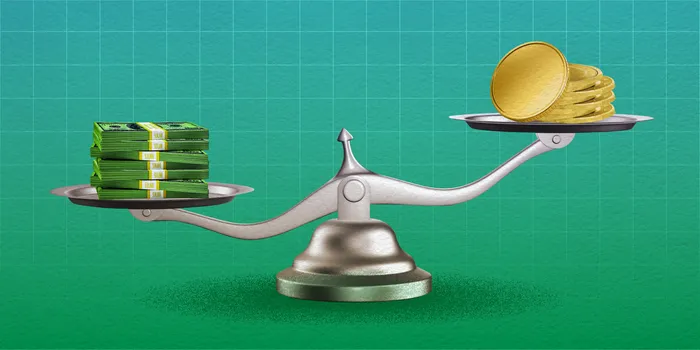
Monitoring large stablecoin transfers in real time gives institutions a head start on liquidity shifts and market volatility.
The Need for Real-Time Monitoring
In digital markets, speed is everything. Stablecoins move at blockchain pace, and whale transfers can shift billions within seconds. Institutions cannot afford to react slowly. Whale alerts, automated notifications of large transfers, have become indispensable tools for traders and risk managers.
These alerts transform raw blockchain data into actionable intelligence, turning sudden flows into early signals of market sentiment.
What Whale Alerts Track
Whale alerts typically flag transactions above a set threshold, often $1 million or more. They capture the movement of stablecoins into or out of exchanges, DeFi protocols, and custody wallets.
By categorizing addresses, alerts distinguish between exchange operations, fund reallocations, and unidentified whales. This context makes alerts more than noise. They become precise signals.
Exchange Inflows and Market Pressure
A surge of whale alerts showing inflows into exchanges often precedes increased trading volume. These inflows can reflect hedging activity or preparation for large-scale selling. Institutions use them as early warnings of potential volatility.
Similarly, alerts on large outflows suggest withdrawals into custody or DeFi deployment, signaling reduced immediate sell pressure.
DeFi Movements and Yield Strategies
Whale alerts also track capital moving into lending pools or liquidity farms. These transfers indicate confidence in DeFi opportunities. When alerts show multiple whales allocating to a protocol, it can foreshadow rising TVL and attractive yields.
Outflows, by contrast, often anticipate liquidity contractions and falling returns.
Cross-Chain Transfers
In 2025, stablecoins flow across Ethereum, Solana, BSC, and Layer-2 networks. Whale alerts capture these cross-chain transfers, helping institutions track where capital is seeking efficiency.
Alerts showing heavy flows into fast, low-fee ecosystems may signal a shift in institutional strategy. Conversely, sharp withdrawals may highlight risks in specific chains.
Institutional Use of Whale Alerts
Funds apply whale alerts in three main ways:
Risk hedging by adjusting exposure when inflows signal volatility.
Liquidity deployment by following capital into promising protocols.
Market timing by anticipating price swings before they appear in charts.
For trading desks, whale alerts have become as essential as economic calendars and market news feeds.
The Future of Whale Monitoring
Whale alert systems are evolving. Platforms are integrating AI to classify whale intent, filter out routine transfers, and highlight only the most meaningful movements. Institutions increasingly rely on these refined alerts to avoid false signals.
As stablecoin adoption deepens, whale alerts will remain a critical institutional edge. They turn the hidden movements of the biggest players into visible, actionable data.