In an environment shaped by constant information flow, policy announcements now travel faster than markets can fully process them. Governments and central banks are under pressure to act quickly, respond visibly, and signal control. Speed has become an expectation rather than an advantage.
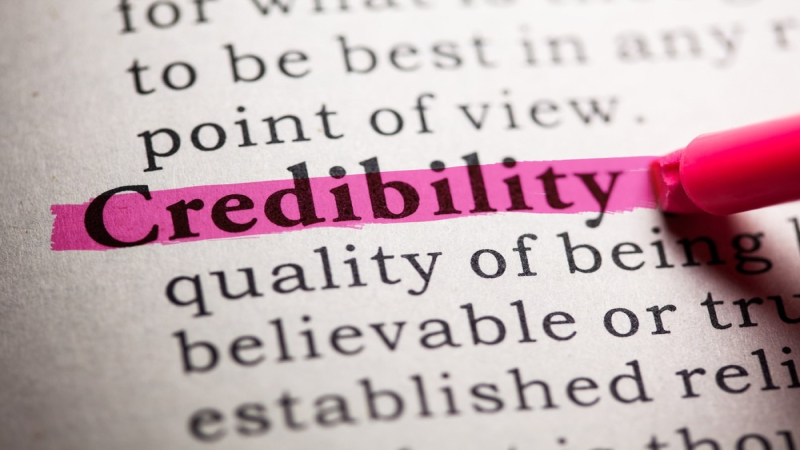
Yet recent economic cycles show that rapid policy action alone does not produce stability. What ultimately anchors markets and institutions is credibility. When policies are trusted, even gradual adjustments can be effective. When credibility is weak, fast decisions often increase uncertainty instead of reducing it.
Credibility Shapes How Markets Interpret Policy
The most important factor in policy effectiveness is not how fast decisions are made, but how they are perceived. Markets respond less to announcements themselves and more to the confidence that those announcements will be followed through consistently.
When policymakers have a track record of clear communication and predictable execution, markets adjust smoothly. Investors, businesses, and households can plan around expectations rather than react to surprises. Credibility reduces the need for aggressive intervention because confidence does much of the stabilizing work.
By contrast, rapid policy shifts without trust often create volatility. Speed without credibility raises questions about sustainability, political pressure, or future reversals. Markets may initially react, but that reaction is rarely durable.
Fast Policy Can Increase Uncertainty
Quick decisions are sometimes necessary during acute crises, but outside of emergencies, speed can work against stability. Rapid policy changes compress adjustment periods and leave little time for coordination across institutions.
This is particularly visible in monetary and fiscal alignment. When actions move faster than supporting frameworks, gaps appear. These gaps create confusion about long term direction and weaken confidence in the overall strategy.
Credibility allows policymakers to move at a measured pace. When trust exists, markets are willing to wait because expectations are anchored. Stability comes from clarity, not urgency.
Consistency Builds Long Term Confidence
Credible policy is built through consistency rather than intensity. Repeated alignment between stated objectives and actual outcomes strengthens institutional trust. Over time, this trust reduces the need for dramatic action.
Economic actors begin to internalize policy direction. Businesses invest with longer horizons. Capital allocation becomes more stable. Risk premiums decline not because policy is aggressive, but because it is dependable.
This dynamic is especially important in high debt environments where abrupt moves can have unintended consequences. Credibility allows policymakers to manage constraints without triggering destabilizing reactions.
Communication Has Become a Core Policy Tool
Modern policy credibility depends heavily on communication. Clear frameworks, transparent objectives, and disciplined messaging matter as much as formal decisions. Markets are increasingly sensitive to inconsistency in tone and guidance.
When communication supports credibility, even modest policy adjustments can have significant impact. Forward guidance works only when it is trusted. Reassurance works only when it is believable.
This is why institutions now invest heavily in signaling discipline. The goal is not to impress markets with speed, but to reassure them with coherence.
Conclusion
In today’s global economy, policy speed no longer guarantees effectiveness. Credibility has become the defining factor in how policy shapes outcomes. Stable systems are built on trust, consistency, and clear direction rather than rapid intervention. As economic conditions grow more complex, credibility is what allows policy to work without constant escalation.