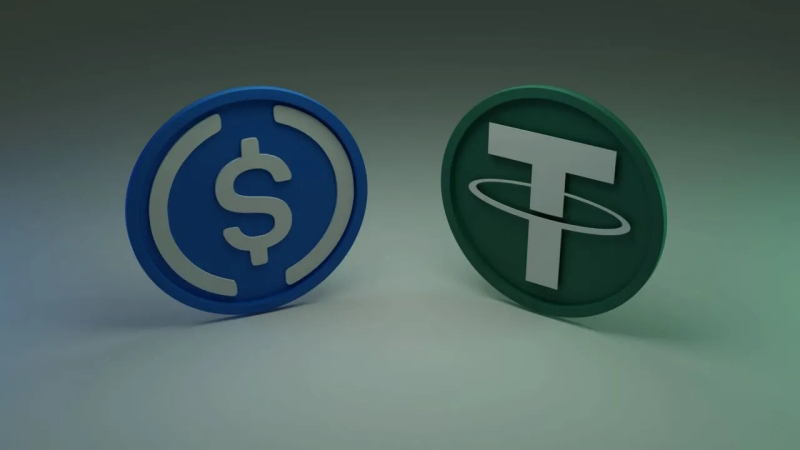
Stablecoins were originally defined by a simple promise: maintain a one to one value with a reference currency. For years, the strength of a stablecoin was judged almost entirely by how well it held its peg. In 2026, that framework is no longer sufficient. Pegs still matter, but they are no longer the primary determinant of resilience.
As stablecoins mature and integrate into financial infrastructure, trust layers have become the true measure of stability. Markets now evaluate how stablecoins behave under stress, how transparent their systems are, and how reliably users can redeem value. Resilience is increasingly about structure and credibility rather than price alignment alone.
Trust Layers Are the Real Foundation of Stability
Trust layers refer to the systems, controls, and assurances that support a stablecoin beyond its stated peg. These include reserve transparency, redemption reliability, governance oversight, and operational integrity. Together, they determine whether a stablecoin can withstand periods of uncertainty.
In 2026, market participants understand that a peg can hold temporarily even when underlying trust is weak. When confidence erodes, pegs often fail abruptly. Strong trust layers prevent this outcome by ensuring that users believe in the system’s ability to function under pressure.
Stablecoins with credible trust layers experience fewer stress events because users do not rush to exit at the first sign of volatility. Confidence reduces reflexive behavior, which in turn supports stability.
Pegs Alone Cannot Absorb Systemic Stress
A peg is a pricing mechanism, not a risk management system. It indicates intent but does not guarantee performance. During periods of high redemption demand, a peg is only as strong as the systems backing it.
History has shown that stablecoins with weak reserve management or unclear redemption processes struggle when markets turn. Even if a peg appears intact, delays or uncertainty can trigger loss of confidence. Once trust breaks, maintaining the peg becomes increasingly difficult.
In contrast, stablecoins with strong trust layers can experience temporary deviations without long term damage. Users understand that mechanisms exist to restore balance, reducing panic driven exits.
Transparency Is Central to Modern Trust Layers
Transparency has become a core component of stablecoin resilience. Clear reporting on reserves, liabilities, and operational practices allows users to assess risk independently. This visibility reduces speculation and rumor driven stress.
In 2026, transparency is not limited to periodic disclosures. It includes real time or near real time insight into reserve composition and redemption capacity. Stablecoins that provide this clarity attract more consistent usage and institutional participation.
Transparency also enables accountability. When information is accessible, governance decisions are scrutinized, reinforcing disciplined behavior by issuers and operators.
Redemption Reliability Defines User Confidence
Redemption is where trust is ultimately tested. A stablecoin’s resilience depends on whether users can reliably convert tokens into underlying value when needed. Smooth, predictable redemption processes are more important than maintaining a perfect peg during calm periods.
Institutions and large users evaluate redemption pathways carefully. They assess timing, limits, and operational dependencies. Stablecoins that demonstrate consistent redemption performance earn trust even during volatile conditions.
By prioritizing redemption reliability, stablecoins reduce the likelihood of sudden confidence shocks. Users are less likely to rush for exits when they believe the system will respond predictably.
Governance and Oversight Strengthen Trust Layers
Governance structures play a critical role in sustaining trust. Clear decision making authority, defined escalation processes, and independent oversight contribute to stability. In their absence, uncertainty grows during stress events.
In 2026, governance is treated as a structural asset. Stablecoins with formal governance frameworks are better positioned to manage crises, adjust policies, and communicate effectively. This capability reinforces confidence and limits destabilizing behavior.
Strong governance aligns stablecoin systems with broader financial standards, supporting integration into regulated environments and institutional workflows.
Conclusion
Stablecoin resilience in 2026 is defined less by pegs and more by trust layers. Transparency, redemption reliability, governance, and operational integrity determine whether stablecoins can withstand stress and maintain confidence. As stablecoins evolve into financial infrastructure, trust layers have become the true foundation of stability.