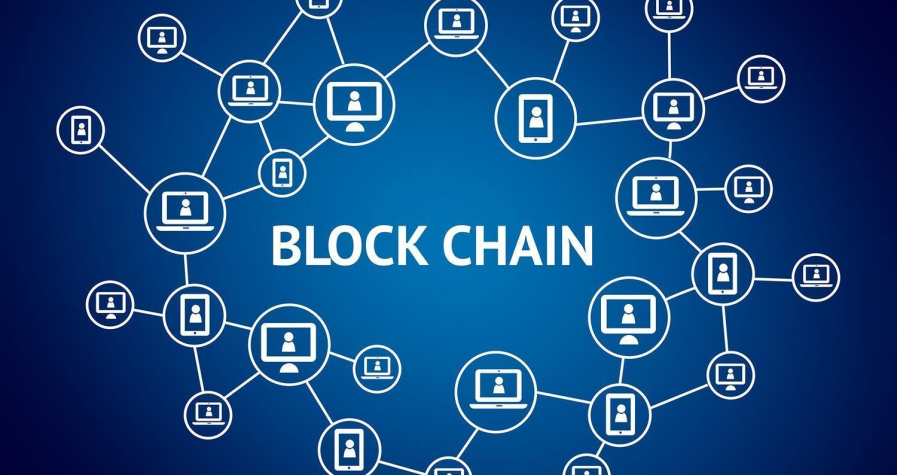
The financial industry is entering a phase where stablecoins are no longer viewed only as trading instruments but as programmable components of modern financial infrastructure. Institutions across digital asset markets are increasingly building settlement systems that rely on stablecoins to move capital efficiently across blockchain networks. These digital dollars provide a foundation for new forms of programmable finance where transactions, payments, and asset transfers can occur automatically within blockchain based systems. As financial institutions experiment with tokenized markets and digital settlement frameworks, stablecoins are becoming essential tools for enabling faster, more transparent financial operations. The expansion of programmable stablecoin infrastructure signals a broader transformation in how financial institutions approach liquidity management, cross platform settlement, and digital market participation.
Stablecoins Become the Foundation of Digital Settlement Infrastructure
Stablecoins have gradually evolved into a core component of blockchain based financial infrastructure. Initially created to provide a stable trading pair for cryptocurrency markets, they are now being integrated into a wide range of financial systems. Institutions are using stablecoins to facilitate settlement across trading platforms, digital asset exchanges, and decentralized finance protocols. Because stablecoins represent dollar denominated value on blockchain networks, they can move through programmable environments without relying on traditional banking intermediaries. This ability allows institutions to settle transactions rapidly while maintaining transparent records on distributed ledgers. As a result, stablecoins are increasingly functioning as the digital backbone of blockchain settlement systems.
Programmable Finance Expands Institutional Capabilities
Programmable finance refers to the ability to automate financial transactions using blockchain based smart contract systems. Stablecoins play an important role in these programmable environments because they provide a stable unit of value that can be integrated into automated financial workflows. Institutions are experimenting with systems that allow payments, collateral transfers, and asset settlements to occur automatically once predefined conditions are met. This approach reduces operational delays and minimizes manual processing across financial operations. Programmable settlement layers can also improve efficiency by ensuring that funds move instantly when contractual obligations are satisfied. As these systems develop, stablecoins continue to provide the reliable digital liquidity required for automated financial processes.
Tokenized Markets Require Reliable Digital Liquidity
The growth of tokenized assets is also driving demand for stablecoin infrastructure. Financial institutions are exploring ways to represent traditional assets such as bonds, funds, and real estate through blockchain based tokenization systems. These tokenized markets require reliable digital liquidity in order to function effectively. Stablecoins provide the necessary settlement layer that allows tokenized assets to be traded, transferred, and settled within blockchain ecosystems. By combining tokenized assets with stablecoin based settlement, institutions can create financial environments where transactions occur quickly and transparently. This integration supports the development of digital markets that operate continuously while maintaining the stability of dollar denominated settlement.
Institutional Adoption Strengthens Market Infrastructure
Institutional participation continues to strengthen the credibility of stablecoin infrastructure within global financial markets. Asset managers, fintech firms, and digital asset exchanges are increasingly integrating stablecoins into their operational frameworks. Many institutions now maintain stablecoin reserves to manage liquidity within blockchain based markets. These reserves can be deployed quickly to support trading strategies, collateral requirements, or decentralized finance participation. As more institutions adopt stablecoin settlement systems, the infrastructure supporting digital finance becomes more robust and reliable. The expansion of programmable stablecoin networks therefore reflects the broader institutionalization of blockchain based financial systems.
Regulatory Developments Support Infrastructure Growth
Regulatory discussions around stablecoins are also shaping the development of programmable financial infrastructure. Policymakers in several major economies are working to establish frameworks that ensure transparency, reserve backing, and operational accountability for stablecoin issuers. These regulatory efforts aim to balance innovation with financial stability. Clearer oversight structures are encouraging institutions to explore blockchain based settlement solutions with greater confidence. As regulatory clarity improves, stablecoins are increasingly being viewed as legitimate components of financial infrastructure rather than experimental crypto tools. This evolving regulatory environment supports the continued expansion of stablecoin based settlement systems within the broader digital economy.
Conclusion
The growth of programmable stablecoin infrastructure highlights how digital settlement systems are evolving across global financial markets. As institutions build new blockchain based payment and settlement layers, stablecoins remain central to enabling efficient and transparent financial transactions.