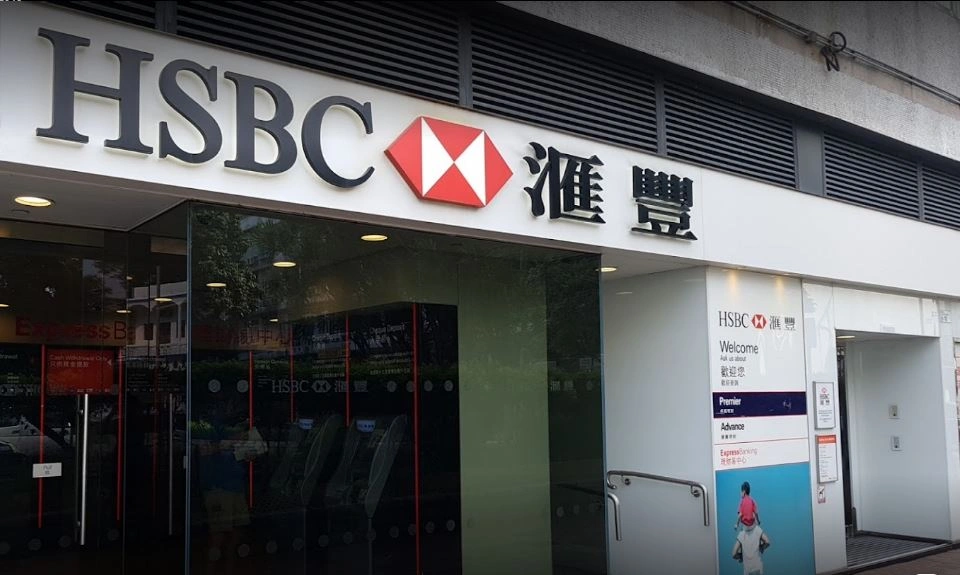
Hong Kong has taken a major step toward becoming a global digital asset hub after granting its first stablecoin issuer licences to HSBC and a consortium led by Standard Chartered. The approvals, announced by the Hong Kong Monetary Authority, signal the city’s transition from regulatory planning to real-world implementation of digital currency infrastructure. Authorities are positioning stablecoins as a bridge between traditional banking systems and blockchain-based finance, with a focus on payments, cross-border settlement, and institutional adoption.
The licensing framework introduces strict requirements designed to ensure stability and trust in the system. Issuers must maintain a minimum capital threshold of HK$25 million, while also guaranteeing full reserve backing and near-instant redemption within one business day. Regulators said they reviewed more than 30 applications but deliberately limited approvals in the first phase to maintain oversight and reduce systemic risk. The cautious rollout reflects Hong Kong’s strategy of balancing innovation with financial safeguards as it builds its digital asset ecosystem.
Under the new licences, HSBC is preparing to launch a Hong Kong dollar-pegged stablecoin in the second half of 2026. The bank plans to integrate the token directly into its PayMe wallet and broader mobile banking infrastructure, allowing users to move seamlessly between fiat and digital currency environments. The Standard Chartered-led group, operating through Anchorpoint Financial, includes major partners such as Animoca Brands and Hong Kong Telecom, highlighting cross-industry collaboration aimed at scaling digital payments and financial services.
Regulators emphasized that the selected applicants align with Hong Kong’s long-term goal of connecting digital and traditional financial markets. Officials noted that stablecoins could improve efficiency in cross-border transactions, reduce settlement times, and lower costs for businesses operating across Asia and beyond. At the same time, strict compliance standards are intended to prevent risks associated with unregulated stablecoin activity, including liquidity issues and loss of consumer confidence.
The move comes amid intensifying global competition to define the future of digital money. Financial centers such as Singapore, the European Union, and the United States are developing their own frameworks, but Hong Kong is positioning itself as a leader in Asia by offering a regulated environment backed by established financial institutions. By involving major banks early, the city is aiming to accelerate adoption while maintaining credibility with institutional investors and global markets.
Market participants see the licences as a turning point for stablecoin integration into mainstream finance. The involvement of large banks suggests that digital currencies are moving beyond niche crypto use cases and into core financial infrastructure. Analysts say this could unlock new applications in trade finance, remittances, and treasury management, particularly in regions where cross-border transactions remain slow and expensive under traditional systems.
The development also reflects a broader shift toward regulated stablecoins as governments seek to retain oversight of digital payment systems. Unlike earlier crypto projects, these initiatives are built within existing legal frameworks, ensuring accountability and transparency. This approach may limit speculative features such as high-yield incentives but strengthens confidence among regulators, institutions, and users alike.
With licences now issued, attention is turning to execution and adoption. HSBC’s planned launch later this year will serve as an early test of how stablecoins can be embedded into everyday financial services. Regulators are expected to monitor performance closely before expanding approvals to additional applicants. As Hong Kong continues to refine its framework, the success of these initial projects could shape the next phase of global stablecoin development.