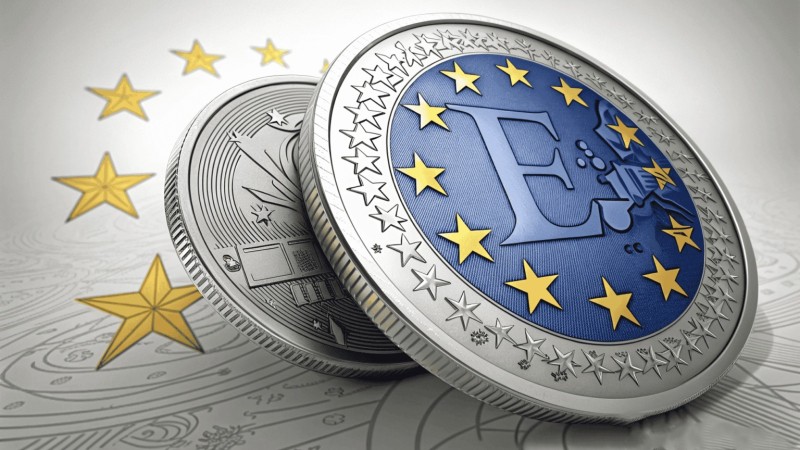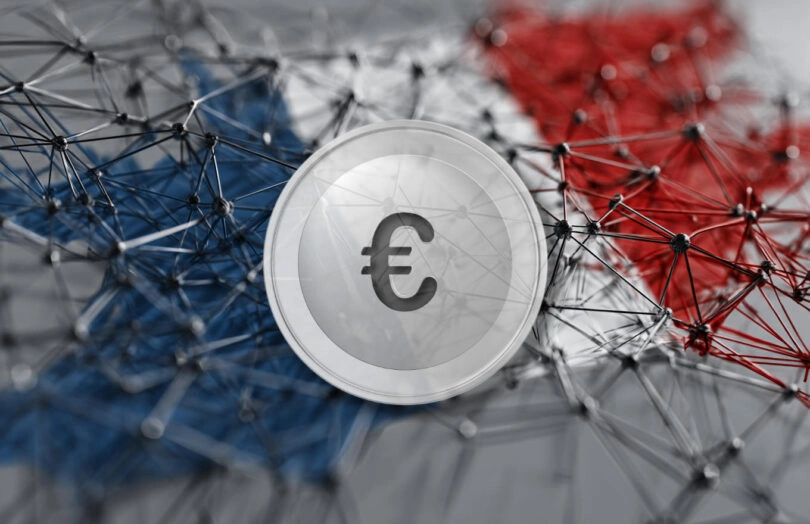
France is stepping up efforts to strengthen Europe’s position in digital finance, with Finance Minister Roland Lescure calling for the development of euro denominated stablecoins and tokenized deposits led by European banks. Speaking at a major crypto event in Paris hosted by Societe Generale FORGE, Lescure framed the initiative as a matter of financial sovereignty, warning that the current dominance of dollar based stablecoins on blockchain networks is not sustainable for Europe’s long term economic influence.
The push centers on strengthening local alternatives through collaborative banking efforts, including the Qivalis consortium, which brings together major institutions such as BNP Paribas. The consortium is working toward launching a euro stablecoin, with expectations pointing to a release in the second half of 2026. European policymakers see this as a strategic move to ensure that the euro remains competitive in an increasingly digital global economy, where stablecoins are playing a growing role in payments, settlements, and decentralized finance applications.
Lescure also emphasized the importance of aligning these developments with broader initiatives such as the digital euro being explored by the European Central Bank. By combining private sector innovation with central bank led infrastructure, European authorities aim to create a balanced ecosystem that supports both efficiency and regulatory oversight. The goal is to build a system where euro based digital assets can operate seamlessly across borders while maintaining strong compliance standards and financial stability.
The discussion highlights growing concern among European leaders about the concentration of stablecoin activity around the US dollar, which currently dominates global blockchain based transactions. This imbalance raises questions about monetary influence and the ability of other currencies to maintain relevance in digital markets. By encouraging banks to issue euro backed stablecoins and tokenized deposits, policymakers are seeking to diversify the ecosystem and reduce reliance on foreign currency based digital assets.
The call for euro stablecoin development reflects a broader shift in how governments view blockchain technology, not just as a tool for innovation but as a strategic component of financial policy. As banks begin to accelerate their efforts and regulatory frameworks continue to evolve, Europe’s approach could play a key role in shaping the global stablecoin landscape, particularly as competition intensifies between major currencies in the digital era.