Canada’s Rationale for ATM Ban
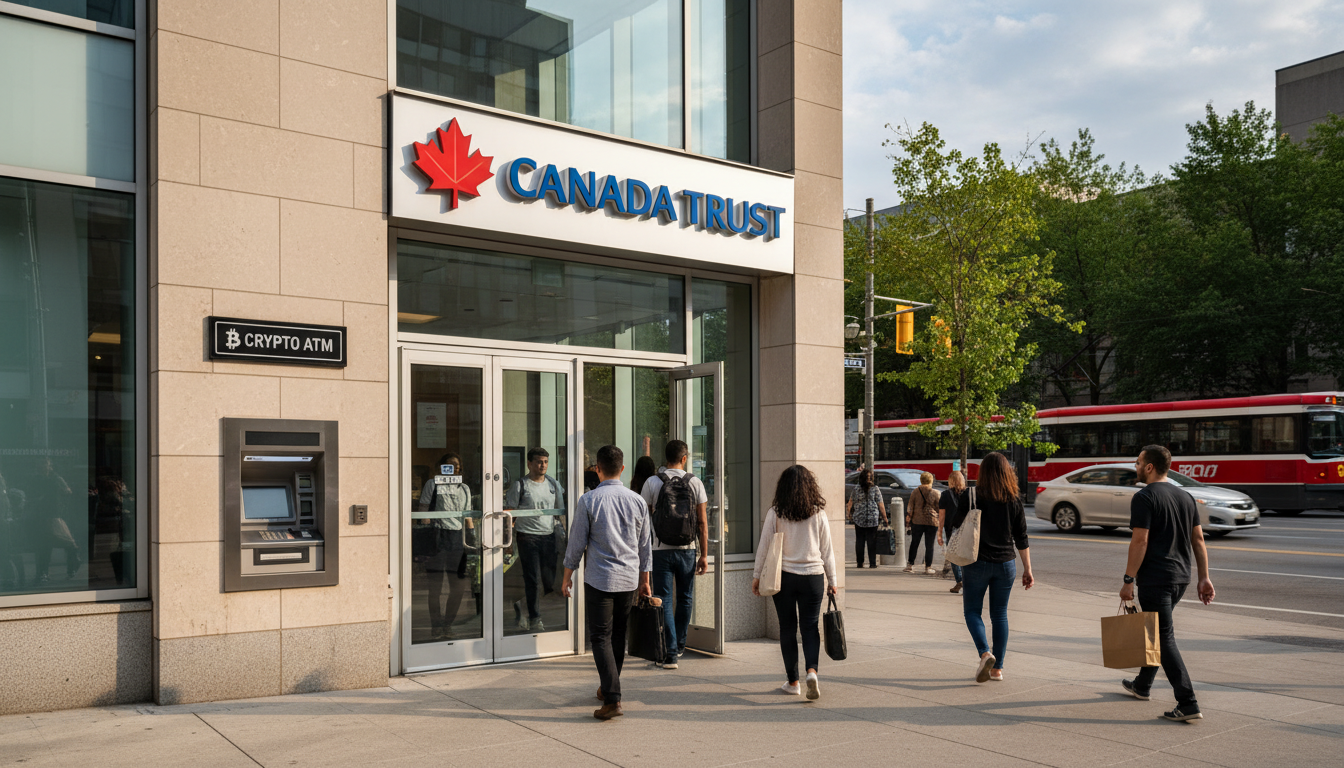
Canadian policymakers are moving toward tougher limits on cash to crypto kiosks after a rise in scam complaints tied to these machines. An early proposal being discussed in Ottawa would restrict or prohibit crypto ATMs, with agencies citing the difficulty of verifying identities when transactions start with cash. Today, investigators describe recurring patterns where fraud victims are coached to deposit cash quickly and share transaction details with criminals. Regulators say the immediate goal is to reduce consumer harm while improving audit trails for enforcement teams. Some lawmakers also frame the move as Canada regulation catching up to the speed of retail fraud tactics. The outcome will hinge on whether officials view tighter controls as workable compared with outright prohibition.
Impact on the Cryptocurrency Market
Any nationwide restriction would likely shift retail access away from kiosks and toward exchanges and regulated payment channels. In a Live policy environment, compliance teams at trading venues are preparing for higher onboarding volume if kiosks are curtailed, including stronger screening for suspicious activity. The proposed crypto ATM ban could also affect small operators that rely on kiosk fees, while pushing more transactions into systems with clearer recordkeeping. Market sentiment can change quickly when regulation tightens, and a CoinDesk market note on institutional positioning offers a real time lens for risk appetite in crypto pricing at Coinbase premium and realized losses analysis. Update briefings from provincial consumer agencies are also shaping how banks assess downstream exposure.
Potential Alternatives to a Ban
Officials exploring options have discussed whether stricter safeguards could meet enforcement goals without eliminating kiosks entirely. Measures under review include stronger identity checks, lower transaction caps, and mandatory scam warnings that must be acknowledged before funds move. In the debate over crypto compliance, some policymakers point to the need for standardized reporting to FINTRAC, so suspicious patterns can be flagged faster across operators. A related policy thread on anti money laundering pressure in the sector is covered in Crypto AML Crackdowns Overtake Securities Risk Now, which highlights how supervisors are prioritizing traceability. Today, consumer advocates argue that speed matters because losses can be irreversible once coins are sent. The most workable alternative may be a licensing regime that audits kiosks like other high risk financial services.
Reactions from the Crypto Community
Kiosk operators and some digital asset groups warn that a blanket rule could punish legitimate users who rely on cash access, including newcomers without easy banking options. They argue that targeted supervision, not a prohibition, is the better approach if the intent is to curb money laundering while keeping lawful access open. Some community leaders are pointing to recent stability efforts in mainstream finance as evidence that regulated rails can coexist with crypto, noting coverage such as Morgan Stanley Adds Stablecoin Fund After ETF as an example of institutions expanding within compliance frameworks. Live conversations in Canadian forums also focus on whether a ban would simply redirect activity to unregistered brokers. Update statements from consumer protection offices are being watched closely because they influence how aggressively banks and payment providers may de risk kiosk related flows.
Future of Crypto Regulation in Canada
The policy path now depends on how federal and provincial authorities coordinate, since consumer protection and securities style oversight can be split across jurisdictions. If officials choose restrictions under a crypto ATM ban, they will need clear enforcement standards, including penalties for unlicensed machines and rules for cash handling partners. Canada regulation is also evolving alongside international expectations, and enforcement bodies increasingly emphasize measurable controls like identity verification, record retention, and suspicious transaction reporting. Today, lawmakers are weighing whether this proposal should be paired with broader licensing for crypto service providers, so oversight is consistent across kiosks, exchanges, and payment apps. Live consultation timelines will determine how quickly operators must adapt, and Update notices from regulators will signal whether the priority is consumer fraud prevention or a wider anti laundering reset. The next steps will likely set the template for how Canada treats high risk retail crypto access points going forward.