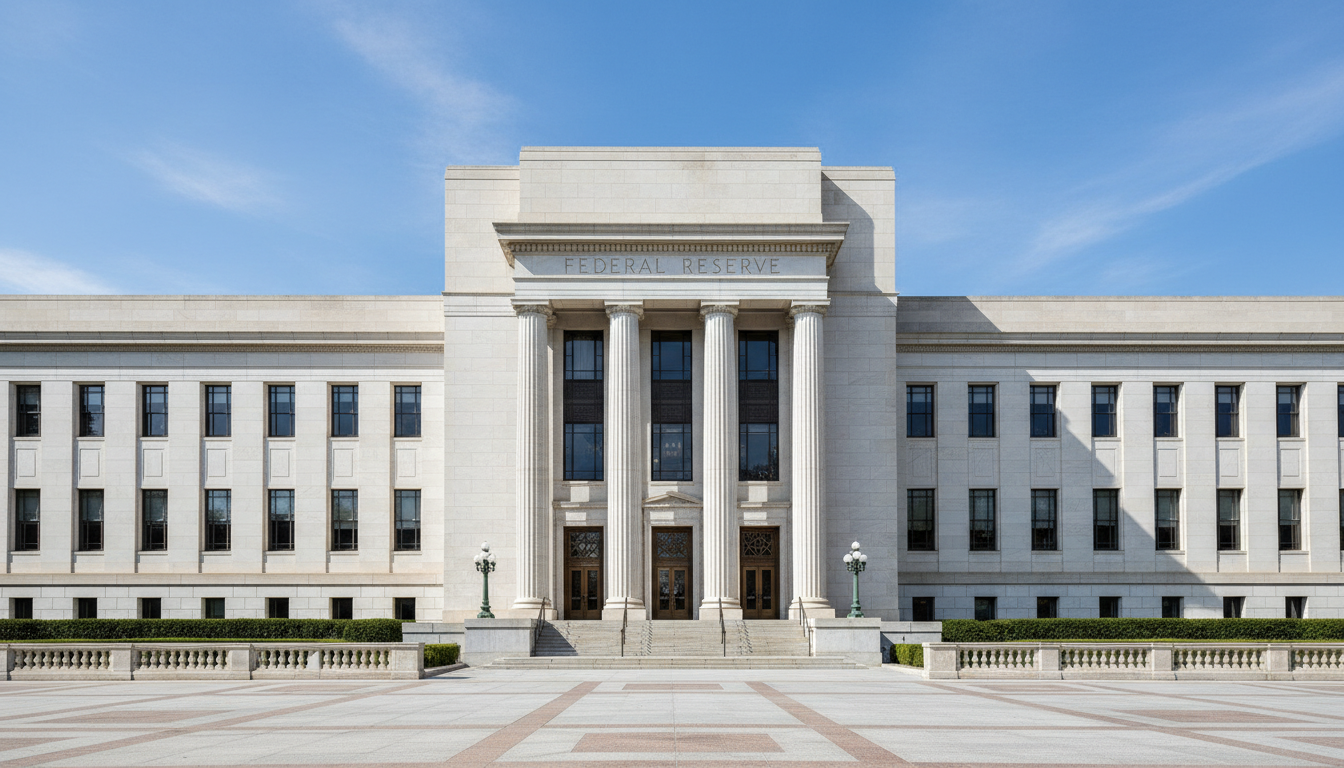
Federal Reserve’s Agenda on Stablecoins
Washington policy teams are treating stablecoins as a front burner issue Today, as the central bank frames its next set of supervisory expectations for banks and nonbanks. In the middle of that shift, the U.S. Federal Reserve is convening a conference that puts stablecoin issuance, reserve management, and payment rail integration on the same stage as tokenization. The Live debate is less about whether tokens will be used, and more about who carries operational risk when settlement happens around the clock. Officials are also watching how proposed stablecoin regulation could interact with existing banking rules, including requirements tied to liquidity, disclosures, and compliance testing. Market participants want a clearer Update cycle so product decisions do not hinge on informal guidance.
Tokenization Opportunities and Challenges
Tokenization is being discussed as a near term plumbing upgrade, not a distant experiment, particularly for collateral and cash management flows that already move through regulated intermediaries. In midstream coverage Live, conference panels are expected to focus on how tokenized deposits and stablecoins intersect with custody standards, cybersecurity controls, and settlement finality. For context on why stablecoin rules remain contentious, Tether $334M freeze puts stablecoin rules in focus highlights how issuer actions can affect token holders and counterparties. CoinDesk also tracked market stress Today, in Coinbase Premium turns negative as realized losses hit $6B, a reminder that liquidity shocks can spill into payment tokens. The Update regulators want is clear auditability across ledgers.
Implications for Digital Finance
For payments and treasury teams, the immediate question is how policy talk translates into product approvals and bank partnerships, especially when transactions can clear 24 hours a day. The Live operational focus is on whether stablecoin settlement inside broker dealer or bank ecosystems can meet the same controls used for card networks and wire systems. The U.S. Federal Reserve discussion matters for digital finance firms because it influences examiner expectations on governance, vendor risk, and recovery procedures. In parallel, Circle Signals Banks: Stablecoins and Deposits Link outlines how issuers are positioning stablecoins alongside traditional deposits. The Update firms seek is a consistent view of what constitutes a compliant reserve asset, and how disclosures should be standardized across platforms. Today, that clarity still differs by charter type and distribution model.
Global Perspectives on Regulation
US conversations are unfolding alongside sharper rulemaking abroad, where lawmakers are aiming to channel issuance through licensed entities and defined reserve standards. One comparative thread is japan stablecoin regulation, which has emphasized custody by trusted intermediaries and restrictions on who can issue payment stablecoins, shaping how global firms structure local offerings. In the US debate Today, lawmakers are also weighing how the genius act stablecoin concept could set federal guardrails for issuers while leaving room for state level oversight. The Live question for cross border operators is whether compliance frameworks can be mapped cleanly between jurisdictions without fragmenting liquidity. Regulators want an Update on how travel rule style data sharing, sanctions screening, and redemption rights work when tokens move between venues that follow different supervisory playbooks.
Future Outlook for Blockchain in Finance
Near term outcomes depend less on headline announcements and more on how supervisors convert conference themes into examination procedures and enforceable requirements. The U.S. Federal Reserve is expected to keep emphasizing risk management, particularly around redemption mechanics, concentration of reserve custodians, and resilience against outages and cyber incidents. Today, firms building tokenized cash products are preparing documentation that looks closer to bank style control narratives than startup white papers. The Live industry expectation is that stablecoin regulation will tighten around disclosures, attestations, and governance, while leaving space for tokenization pilots that keep settlement within regulated perimeters. The Update to watch is whether agencies align on definitions for payment stablecoins versus securities like instruments, since that boundary will determine which compliance regime dominates product design over the next year.