Understanding Stablecoin Licenses
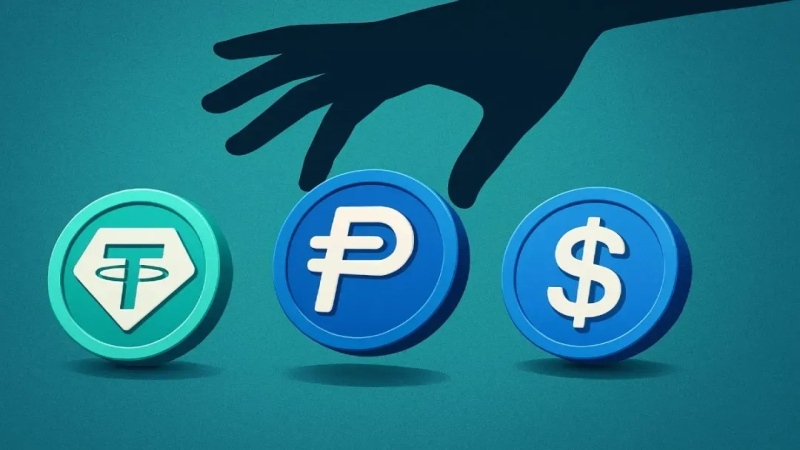
Markets are tightening the screws on payment stablecoins as lawmakers and supervisors try to standardize issuer conduct in real time. Today, compliance teams are mapping reserve custody, redemption rights, and disclosure practices to the same operational playbooks used in mainstream payments, and product choices are increasingly being shaped by stablecoin licenses. Because the license perimeter dictates who can issue, how backing assets are held, and what reporting cadence is mandatory, live deal timelines are also being affected as banks and fintech partners demand written attestations on controls before adding stablecoin rails. The most immediate Update is that internal governance, not token mechanics, is becoming the gating item for launches and partnerships.
The Role of On-Chain Funding
Capital formation is shifting toward transparent rails, and on-chain funding now sits alongside traditional VC checks in several large rounds. Live pricing of liquidity and collateral is measurable in public data, and coverage today also centers on how equities linked to stablecoin issuers react to legislative milestones, with CoinDesk tracking the market response in Circle and Coinbase lead crypto stocks rally amid Clarity Act progress. That changes how treasurers negotiate with market makers and prime brokers, and that dynamic matters because regulatory momentum can open or close funding windows quickly. A separate Update is the way stablecoin liquidity swings feed directly into exchange and OTC credit terms during volatile sessions.
Regulatory Impact on Stablecoins
Policy details are now driving product segmentation, including where issuers locate entities and how they message redemption guarantees. The current debate about stablecoin licenses is not academic, it affects whether tokens are treated as payment instruments, e money, or something closer to securities infrastructure, with supervision and enforcement varying accordingly. For a concrete signal from local policymakers, see Tether US Treasury Holdings Shake Stablecoin Scene, and today, cross border distribution plans are being rewritten to avoid mismatched consumer protection standards and to meet audit expectations. Another Update is that counterparties increasingly ask for policy mapping documents before listing or integrating.
Challenges in On-Chain Funding
The main friction in on-chain funding is not settlement speed, it is the compliance perimeter around who provides liquidity and under what controls. Live market structure issues include smart contract risk, oracle dependencies, and the difficulty of proving beneficial ownership at the same granularity required in regulated finance. Jurisdictional divergence compounds execution risk, as shown by shifting European and Asian stances discussed in UK finance policy shift targets stablecoin payments, and today, corporate treasurers evaluating stablecoin rails also want clearer guidance on how tokenized cash equivalents should be accounted for and monitored. The most practical Update from counsel is that contract level monitoring and incident response plans must be written before capital is deployed at scale.
Future Prospects for Stablecoins
Near term growth is likely to hinge on whether issuers can align disclosures, redemption operations, and auditability across major jurisdictions without fragmenting liquidity. Today, tokenized securities initiatives are also pulling stablecoins closer to mainstream post trade workflows, with CoinDesk highlighting the direction of travel in DTCC plans tokenized securities platform with July pilot, October launch, which may expand usage beyond trading pairs into settlement and collateral. Stablecoin licenses will remain the core filter for distribution, especially where payment regulators demand clear governance and ring fenced reserves. The next Update to watch is whether licensing regimes converge enough to support global, always on redemption standards.