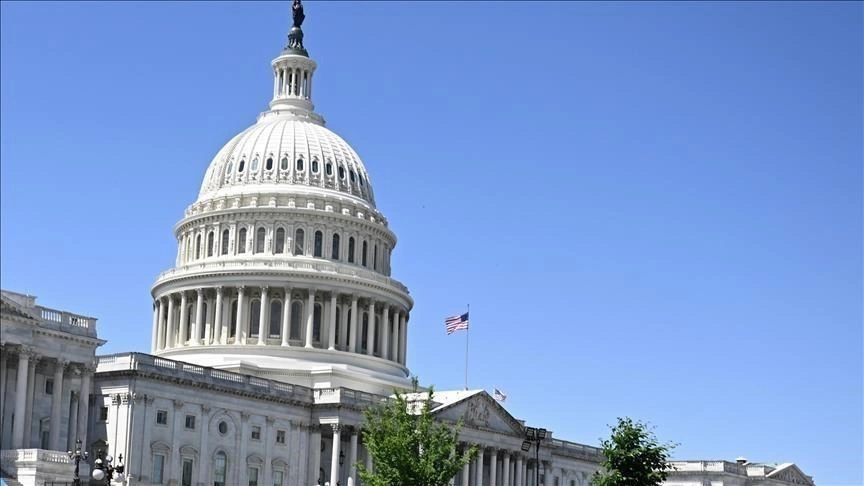
The White House is accelerating efforts to finalize a landmark cryptocurrency regulatory framework, setting a target date of July 4 for the bill to become law. The initiative reflects one of the most ambitious attempts yet by the United States government to establish a unified federal structure for the digital asset industry. According to White House crypto adviser Patrick Witt, the administration believes the Senate could advance the legislation as early as June, leaving sufficient time for reconciliation with the House version.
The proposed legislation aims to clearly define regulatory responsibilities between key financial agencies, including the Commodity Futures Trading Commission and the Securities and Exchange Commission. This jurisdictional clarity is considered essential by industry participants who have long argued that regulatory uncertainty has hindered innovation and institutional adoption in the United States. The House of Representatives already passed its version of the bill last year, but differences between the two chambers now require formal reconciliation before final approval.
One of the major technical issues previously delaying progress centered around the treatment of stablecoin rewards. However, recent compromise language introduced in the Senate Banking Committee has helped ease some of those concerns, allowing discussions to move forward. Despite this progress, financial industry groups have expressed reservations, stating that the revised provisions may not fully address risks associated with yield generating stablecoin structures. Lawmakers are now weighing additional amendments as part of upcoming committee deliberations.
Beyond technical regulatory design, political and ethical considerations have also become a growing point of debate. Several Senate Democrats have raised concerns regarding potential conflicts of interest linked to President Donald Trump’s family and their reported involvement in crypto related ventures. These concerns have added a layer of complexity to negotiations, as lawmakers attempt to balance innovation policy with governance and transparency standards. While discussions remain ongoing, both sides appear to be engaged in active negotiations aimed at reaching a consensus.
Despite these challenges, momentum behind the bill continues to build as policymakers aim to deliver a comprehensive regulatory framework for the digital asset sector. The proposed timeline aligns with symbolic national milestones, with July 4 positioned as a potential signing date to mark the United States’ 250th anniversary celebrations. If passed, the legislation would represent a major shift in how crypto markets are regulated at the federal level, potentially reshaping compliance structures, institutional participation, and market oversight across the industry.