Stablecoins Take Center Stage at Consensus Miami
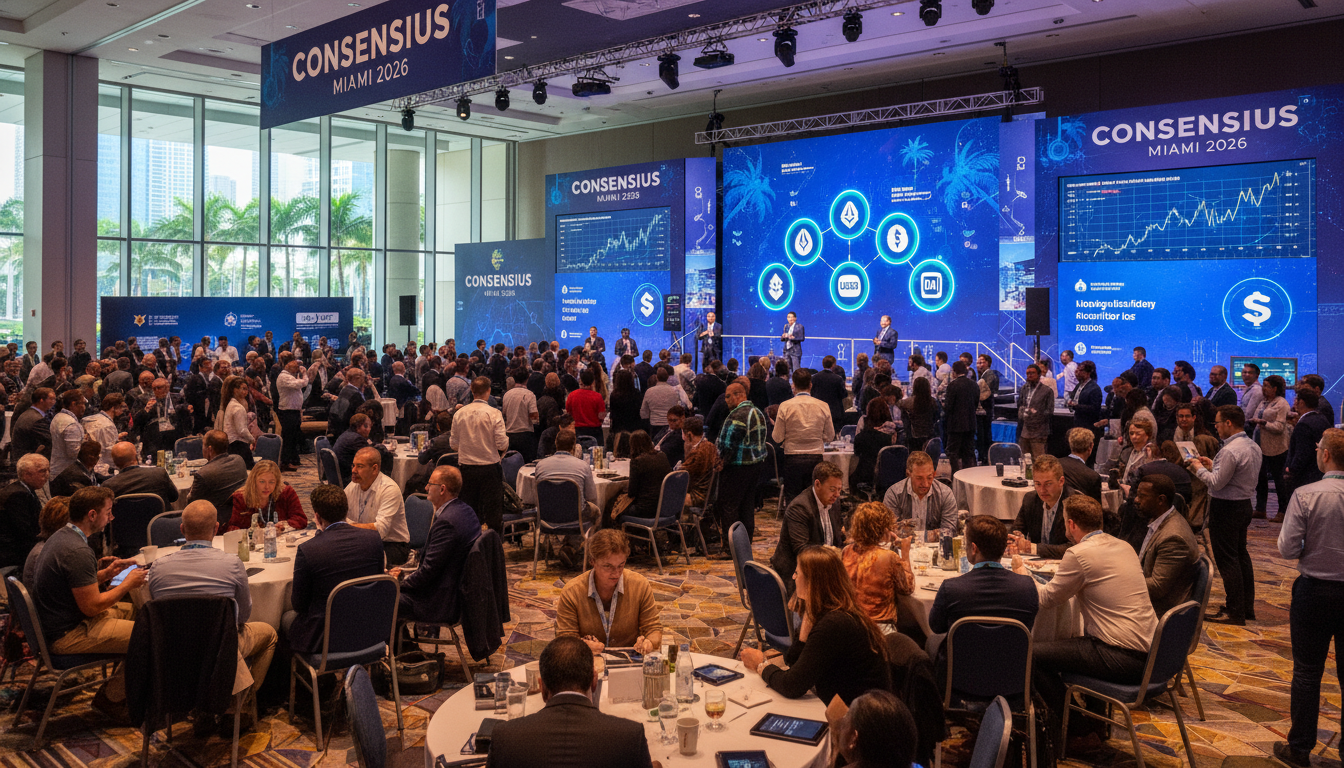
Stages in Miami shifted quickly from price chatter to payments, custody, and compliance. Today, speaker after speaker framed stablecoins as the fastest route to real utility in crypto finance, with merchants and institutions asking for predictable settlement. Midday sessions repeatedly returned to Consensus Miami stablecoins as the theme tying together exchanges, wallets, and traditional finance integrations. Live audience questions focused on reserve transparency, onchain attestations, and how issuers can meet policy expectations without breaking product usability. Moderators also pressed for timelines and deliverables rather than general roadmaps. By late afternoon, attendees treated stable settlement as the practical lens through which the rest of the week will be judged.
Key Infrastructure Developments Discussed
Builders used the infrastructure track to describe what needs to change for scale, reliability, and clearer controls. Today, several panels argued that privacy features can be compatible with enforcement, a point discussed in privacy and accountability onchain panel CoinDesk coverage of the conference debate. Live demonstrations leaned on account abstraction, improved wallet recovery, and verifiable credentials, with engineers emphasizing auditability for enterprise users. An Update thread on floor conversations also pointed to issuer competition, echoing recent market focus in Tether and Circle Duopoly Squeezes Stablecoins. Speakers stressed interoperability tests over marketing claims, citing production incidents from named vendors and postmortems shared on stage.
Bitcoin Rail Innovations at the Event
Bitcoin infrastructure sessions stayed narrowly focused on settlement assurances, fee predictability, and routing quality. Today, payment companies described how stable value assets and BTC rails are being co designed so merchants can accept one and settle in another without operational surprises. The clearest through line, again, was Consensus Miami stablecoins being treated as the unit of account while Bitcoin handles finality and global reach. Live technical talks referenced specific throughput limits and monitoring techniques, with presenters naming their own node telemetry and partner audits rather than making broad claims. One engineering panel linked the payments discussion to tokenized collateral flows, pointing readers to Ethereum Marks $8B Tokenized Treasuries onchain as context for how settlement assets are being managed onchain. An Update from the hall highlighted integrations that reduce failed payments by pre checking liquidity.
Interviews with Industry Leaders
Executive interviews moved from ideology to operational constraints, especially compliance and distribution. Today, issuer and platform leaders argued that the next growth cycle will hinge on enterprise adoption and automated agents, themes covered by CoinDesk in AI agents and corporates stablecoin boom. Live interviewers pushed for concrete answers on banking access, redemption timing, and how cross border flows will be monitored at scale. Leaders also discussed how product teams handle sanctions screening, transaction monitoring, and customer disputes without adding excessive friction. An Update recap from the media area noted that some firms are now publishing more detailed risk disclosures, and they pointed to their own documentation pages during the conversations.
Future of Digital Finance Explored
Closing discussions treated regulation and market structure as immediate design inputs, not distant policy topics. Today, policy focused sessions emphasized that elections and legislative calendars can reshape compliance requirements for issuers and exchanges, echoing CoinDesk reporting on a Tether executive warning on the 2026 midterms. Live debates also addressed how tokenization and stable settlement intersect with broker dealer rules, custody standards, and bank partnerships, with lawyers naming specific agencies and frameworks they work under. The final Update takeaway was that payment usability is now inseparable from governance and disclosure, and builders are being judged on measurable safeguards. Conference organizers signaled that next sessions will track rollouts and audits rather than announcement cycles.