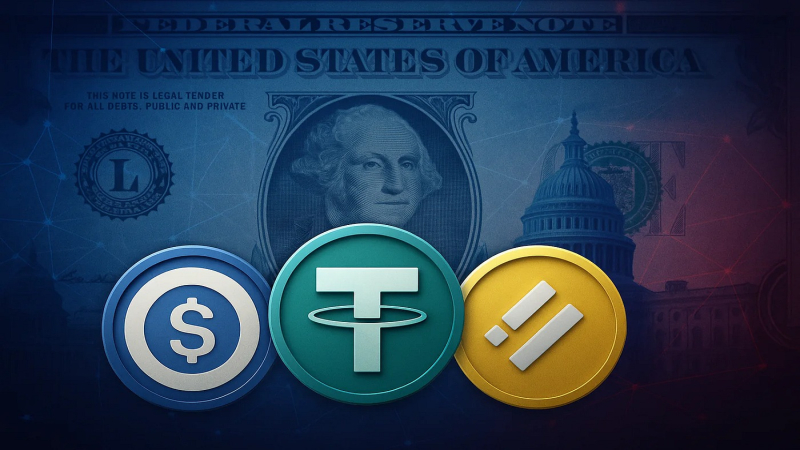
BlackRock and State Street’s Strategic Move Into Stablecoins
BlackRock and State Street are moving from pilots to product launches, framing stablecoin style instruments as operational plumbing for funds rather than retail crypto. Executives have emphasized the aim is faster settlement, tighter cash management, and clearer governance around reserve assets. In the current news cycle Today, desks are watching how these offerings integrate with existing collateral and treasury workflows. The tokenized stablecoin structure is being positioned as a tool for predictable on chain cash, not a bet on price appreciation, because onboarding will be gated by policy. Product documentation and counterparties matter as much as chain selection, and live monitoring of flows is expected to be part of the service model.
Why Institutional Investors Are Key Targets
Institutional investors are the obvious audience because they already run daily liquidity ladders, margin calls, and cross venue settlements where minutes can be material. Today, prime brokers and custodians are mapping how these instruments can sit alongside money market funds and repo, while preserving audit trails. BlackRock and State Street are also responding to a client demand for programmable transfers that still satisfy compliance checks, and for context on adjacent market pressure and safe haven behavior, see Stablecoins as DeFi Safe Havens Under Market Stress in a related sector discussion. A separate Live signal on risk appetite came from CoinDesk markets coverage of bitcoin volatility at CoinDesk Live markets recap. This Update matters because institutions tend to adopt when settlement certainty improves, not when headlines heat up.
The Impact on the Digital Financial Ecosystem
These launches matter because they shift tokenization from niche rails into mainstream asset servicing. State Street sits deep in fund accounting and custody, and BlackRock sits close to portfolio construction and risk, so their choices can standardize how token cash is booked and reconciled. In a Live operating environment, the key is how intraday cash positions are reported to controllers and regulators, not how fast a transfer settles in isolation. The tokenized stablecoin can also change how counterparties define delivery versus payment when assets and cash both move on chain. An Update on industry positioning is tracked in BlackRock Pushes Into Tokenized Stablecoin Funds, which outlines how product framing is evolving. Interoperability with existing messaging standards will determine whether adoption stays contained or scales across venues.
Potential Challenges and Regulatory Landscapes
Regulatory posture will dictate distribution, because institutions will not scale exposure without clear treatment of reserves, redemption rights, and disclosures. In the United States, stablecoin bills have been debated in Congress, and legal teams will translate any enacted text into constraints on eligible issuers and custodians. Today, compliance groups are also focused on sanctions screening, transaction monitoring, and record retention for on chain activity. The tokenized stablecoin wrapper may reduce settlement friction, but it does not remove the need for governance around smart contract upgrades and operational incident response. Market conditions remain a Live input for risk committees, which may cap usage during stressed liquidity windows. Another Update to watch is how auditors treat on chain confirmations relative to traditional bank statements and custodial reports.
Future Outlook for Institutional Stablecoin Adoption
Near term traction will likely show up in limited use cases such as internal treasury moves, fund subscription and redemption windows, and collateral mobility between approved counterparties. BlackRock and State Street have the distribution to move carefully, expanding only as controls and reporting mature. Today, decision makers are likely to measure success by reduced fails, clearer cutoffs, and lower operational overhead, not by marketing narratives. As systems improve, the tokenized stablecoin could become a neutral settlement asset that connects traditional custody networks to tokenized securities venues. Live adoption will still depend on client mandates and the ability to unwind positions cleanly during stress. The next Update will come from how quickly these products win approved lists at major allocators and whether governance frameworks keep pace with scale.