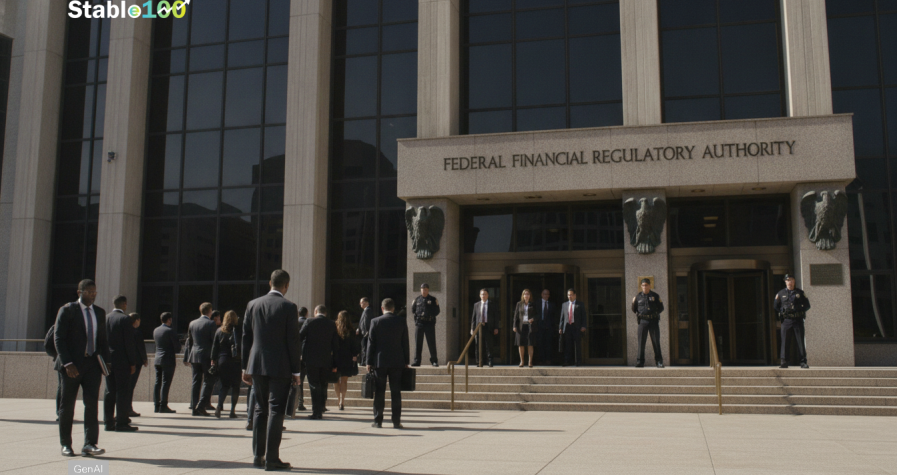
Why JP Morgan wants digital asset regulation guardrails
JP Morgan is urging lawmakers to set clear digital asset regulation guardrails for tokenization and the market plumbing that supports it. The bank frames the issue as risk containment and investor protection, rather than a debate about whether blockchains should exist. Its message is that rules should define who is responsible for issuers, intermediaries, and service providers across custody, settlement, disclosures, and conflicts. JP Morgan also argues supervision should be technology neutral, so oversight follows the activity rather than the label. According to available reports, clearer expectations could help tokenization grow without expanding operational and market-integrity risks.
Current focus of policymakers on tokenization
Regulators appear to be moving on parallel tracks, with prudential supervisors often focusing on bank exposures and securities regulators focusing on market conduct and disclosure. In the U.S., enforcement can also be shaped by national-security actions. Reports indicate that on July 2, 2026, the U.S. Treasury sanctioned more than 100 ISIS-K crypto addresses that moved over $1.4 million, according to CoinDesk in US Treasury sanctions over 100 ISIS-K crypto addresses. Meanwhile, some venues are testing control models such as segregated collateral and monitored settlement flows, as discussed in Off-exchange settlement adds safer rails for Binance, while also weighing how digital asset regulation will treat venue responsibilities.
Possible reshaping of crypto market structure
If policymakers adopt the bank’s framing, the market impact could concentrate on areas where responsibility can be audited, such as custody, settlement finality, and broker-style intermediation. More prescriptive digital asset regulation could widen the gap between venues that can evidence surveillance, governance, and recourse and those that cannot, potentially shifting liquidity and counterparty selection over time. The institutional push to participate under clearer rules is visible in brokers expanding into onchain markets, as described by CoinDesk in EToro invests in onchain derivatives platform Extended. In practice, compliance-ready products may gain distribution, while higher-risk or ambiguous offerings could face more friction with banks, custodians, and payment partners.
Comparison with traditional finance rules
JP Morgan’s argument broadly tracks how banking and securities standards often develop once new distribution channels mature. In traditional markets, custody segregation, best execution, disclosure standards, and operational resilience are typically enforced through statutes, regulator rules, and self-regulatory requirements. The function-based approach is similar to derivatives oversight, where clearing, execution, and reporting duties can apply regardless of the software used. Tokenized cash and securities pilots also show why settlement design can matter for intraday liquidity and risk transfer, as explored in Tradeweb pilots tokenized Treasury transactions via stablecoins. This comparison suggests that financial regulation often permits innovation once accountability is clear and enforceable.
Expected governance requirements
Governance for tokenized assets is likely to hinge on who can change smart contract rules, pause transfers, or correct errors, and what legal authority supports those actions. JP Morgan’s position implies lawmakers should clarify how contractual rights map to programmable features, including admin keys, upgrade paths, and dispute resolution, with digital asset regulation shaping those expectations. Supervisors may also expect consistent audit trails and reporting standards so they can test controls rather than rely on marketing claims. Standards for plain-language disclosures can separate technology risk from credit and market risk, while specifying accountability for outages or loss events. If those elements are consistent, digital asset regulation could make it easier for tokenization to plug into existing compliance programs.