Bloomberg flags a former Tether executive’s secondary share offering
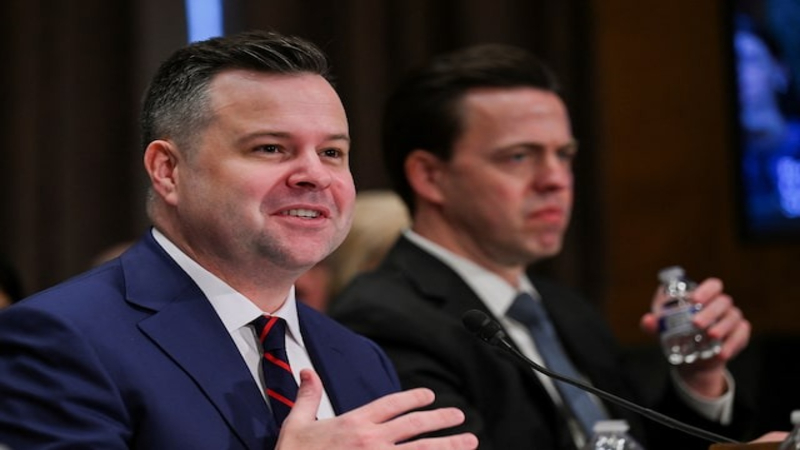
The Tether CIO stake sale has gained attention following reports from Bloomberg indicating that a former chief information officer is privately marketing an equity position in the stablecoin issuer. According to Bloomberg, this is described as a secondary transfer rather than a corporate capital raise. Ownership changes at such a significant stablecoin company can attract scrutiny from exchanges, market makers, and compliance teams. The issue is primarily about governance and incentives, such as who controls votes and holds economic rights, and if any buyer introduces new strategic priorities. Although Bloomberg did not describe changes to reserves, issuance policy, or redemption operations linked to the transaction, a high-profile insider exit could influence how counterparties assess risk when using stablecoins for settlement.
Why stablecoin counterparties care about insider ownership
Tether remains a key liquidity mechanism for crypto trading, leading counterparties to consistently evaluate redemption reliability, banking access, and issuer governance. According to available reports, secondary equity transfers can initiate new due diligence, even if daily operations remain unchanged. This attention arises as stablecoin usage grows: Stablecoin Transaction Volume Hits $1.79T in June underscores the significant flows reliant on predictable settlement rails. Risk teams frequently query whether shifts in beneficial ownership could affect decision-making, board influence, or long-term insider alignment. For further context on liquidity conditions, see Stablecoin trading volume nears highs as 2026 surges. Thus, the reported insider share sale is viewed as a crucial governance signal monitored closely by market participants.
How secondary share transfers typically work
Bloomberg outlines the transaction as a private deal, implying the former Tether CIO is selling a stake rather than a company-initiated primary issuance. These transactions are usually facilitated through secondary markets that connect sellers with accredited buyers, shaping terms around transfer restrictions, information rights, and any existing shareholder agreements. The pricing of the Tether CIO stake sale often considers perceived regulatory risk, projected cash flows, and potential for future listings or strategic sales. Interpreted as a diversification move, such sales are not uncommon among early employees with concentrated exposure. Bloomberg did not provide specific details on pricing, stake size, or closing date, nor disclose any connection to changes in token reserves.
Market and compliance reaction to the Bloomberg report
Typically, traders view secondary equity changes distinctly from issuer balance sheet activities, but this report can still prompt questions on risk considerations. Immediate concerns often revolve around the buyer’s identity: whether the stake lands with a payments firm, a regulated financial group, or a passive investor with limited influence. Compliance teams might update vendor reviews, map control relationships, and re-evaluate documentation, particularly when integrating stablecoins with regulated platforms. Broader questions about market structure are also pertinent, such as how institutions integrate stablecoin mechanisms with tokenization, as elaborated in Stablecoins and Tokenization Reshape Market Cycles. Public market volatility in crypto-related listings can affect sentiment, highlighted by CoinDesk’s coverage on BlackRock-backed Securitize slides 40% after its SPAC debut despite tokenization boom.
What the sale may signal for IPO plans and peers
Such episodes reveal how secondary liquidity markets operate for crypto executives and early stakeholders, even when IPO opportunities are limited. For founders contemplating a crypto IPO, the Tether CIO stake sale plays into narratives that blend governance, regulatory readiness, and operational resilience alongside growth metrics. Additionally, this sale occurs amid shifts in U.S. policy signals: CoinDesk reported on July 7, 2026, that the U.S. SEC is set to propose rules aimed at easing startup fundraising, which might influence capital formation narratives. Although this does not imply changes in token operations, notable secondary sales can reshape expectations regarding insider liquidity, disclosure, and institutional approaches to governance risk.