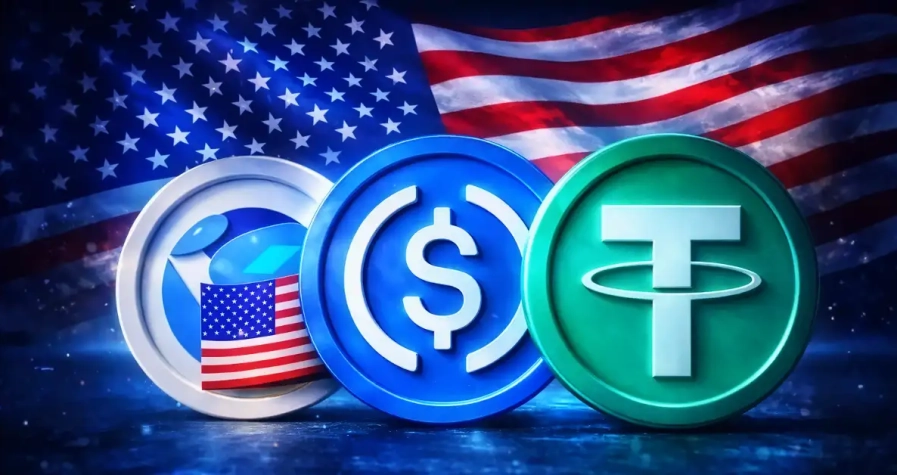
Visa’s Strategy on Stablecoins and AI
Visa is positioning new infrastructure work as a practical shift in how settlement and reconciliation are handled across its network. Executives described the effort as a build out of capabilities that can plug into existing payment flows instead of replacing card rails. In comments highlighted by The Block on July 8, 2026, Visa indicated that stablecoins might be reshaping the back end of commerce, framing the change as operational rather than purely consumer facing. The company pairs that view with AI to potentially improve risk controls, routing, and compliance workflows that sit behind payment authorization. The focus appears to be on making cross border value movement more efficient while preserving familiar checkout experiences for merchants and issuers.
Expanding Tokenization Efforts Globally
Visa is broadening tokenization efforts aimed at digitizing value and credentials that move through payment systems. The strategy aligns with a broader market push toward tokenized instruments, including initiatives described by CoinDesk in its coverage of Dinari and tZERO tokenized U.S. equities platform. The Block’s report suggests that direction toward stablecoin settlement experiments and a wider push to handle more asset types with common standards. Within that context, Visa appears to be designing for interoperability, so tokenized representations can be moved, verified, and redeemed with auditability.
Broader market signals might point to scale, and Stablecoin Transaction Volume Hits $1.79T in June provides recent context for why payment networks are focusing on settlement and liquidity design. For readers tracking how usage differs across ecosystems, Stablecoin dynamics: USDT payments vs USDC DeFi offers a concrete comparison that informs payment routing decisions. Visa’s tokenization work fits into that backdrop by aiming to keep verification and redemption consistent across corridors and asset types.
Impact on Digital Financial Transactions
For merchants, Visa’s messaging emphasizes that the biggest impact is likely to occur after a customer pays, when funds are settled, reconciled, and reported. According to available reports, Visa suggests that stablecoins may be integrated into parts of that pipeline, and treasury teams might see faster settlement windows and reduced dependency on multi day correspondent banking processes, while still receiving fiat at the endpoints where required. Visa’s approach also seems to suggest a path for new transaction types that require programmability, such as conditional releases or automated splits, provided compliance checks are embedded. The company effectively suggests that tokenization can improve how transaction data and value move together, which might simplify dispute resolution and reporting without changing the user interface at checkout.
Challenges and Solutions in Implementation
Execution likely hinges on regulation, liquidity management, and operational controls that are acceptable to banks and large merchants. The firm’s stated reliance on AI might fit as a mitigation layer for screening, anomaly detection, and policy enforcement, but those systems must be explainable to regulators and partners. According to The Block, Visa’s challenge is that stablecoin settlement introduces new counterparty and custody considerations, while tokenization can raise questions about finality, jurisdiction, and audit standards. Regional rule changes are already shaping product design, as shown in MiCA-compliant stablecoins jump 128% ahead of July 1, which highlights how compliance requirements influence which tokens can be used in regulated settings.
Future Prospects for Stablecoins in Payments
The near term implication might be a tighter race between card networks, banks, and crypto native firms to control settlement layers, not just consumer payment buttons. Visa’s comments, as relayed by The Block on July 8, 2026, indicate it sees tokenization as a way to modernize back office processes while keeping broad merchant acceptance intact. If stablecoin settlement becomes a standard option for certain corridors, processors and acquirers may compete on who can offer the best liquidity, compliance, and conversion at scale. That would also pressure issuers to refine how they manage working capital and reconciliation across multiple asset rails. Visa’s framing suggests it expects this shift to be incremental, with enterprise adoption driven by reliability, clear rules, and measurable reductions in operational friction.