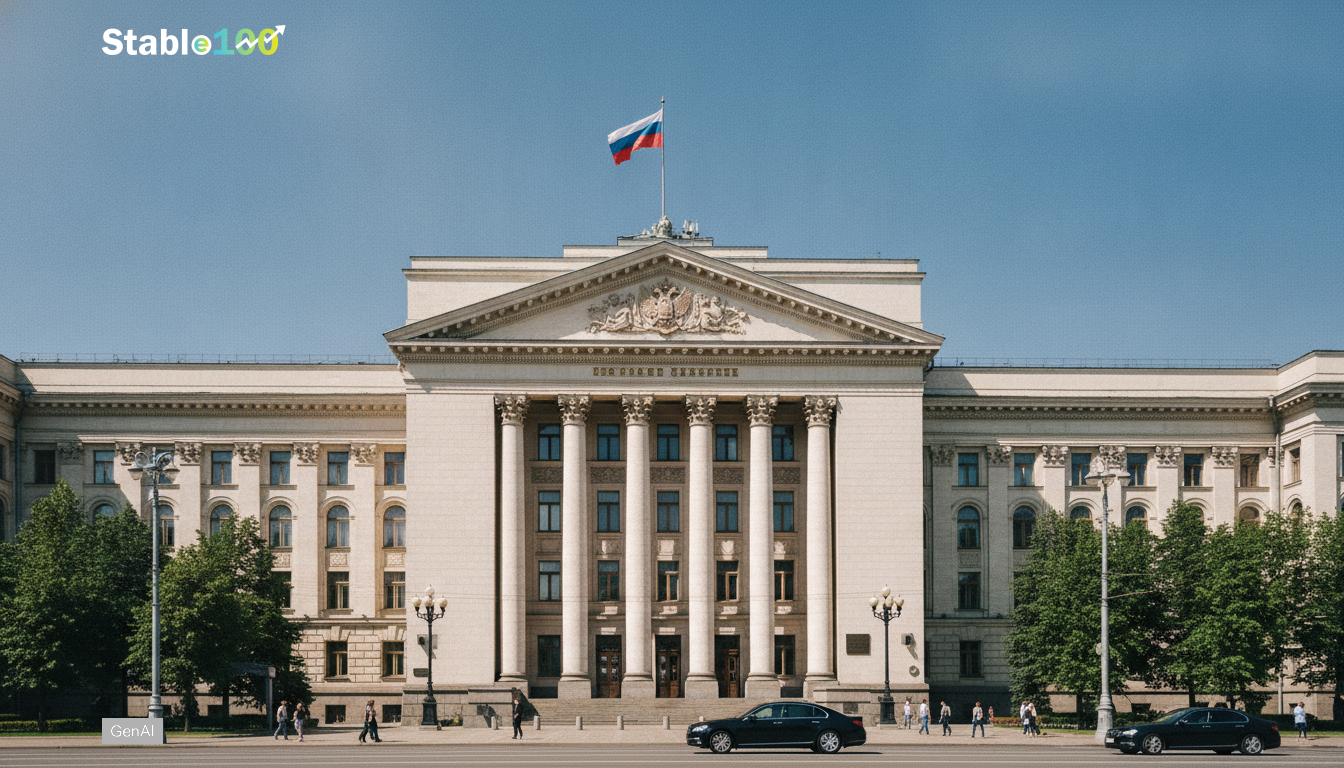
Crypto regulation in Russia progresses with parliamentary approval
Crypto regulation in Russia moved closer to implementation after lawmakers approved a market rules bill that sets compliance expectations for platforms and investors. This development, as indicated by reports from CoinDesk, represents a shift towards more structured oversight. The measure is intended to direct trading into supervised venues while reducing higher-risk access for some retail participants. According to CoinDesk, the bill includes an annual trading cap—reportedly designed to be effective from Sept. 1—and emphasizes that regulation does not equate to crypto becoming legal tender. The focus now shifts to how regulators will implement the bill into enforceable policies.
Implications for retail traders and platforms
The framework outlines eligibility for trading, permissible venues, and required disclosures by intermediaries. CoinDesk’s coverage mentions a $3,800 annual limit for certain retail investors under specific conditions, along with increased supervision for market facilitators. These rules are moving towards licensing-style controls, which aim to curb illicit activities and protect consumers, shifting away from informal guidance. Comparative discussions continue, such as those seen in USDT regulation in the U.S. may tighten, regarding how broadly this cap will be enforced depending on final terms and supervisory standards.
Compliance and licensing focus in Russia’s crypto legislation
For exchanges, brokers, and custodians, the new legislation is expected to define compliance boundaries with specific reporting and venue eligibility requirements as summarized by CoinDesk. These developments could significantly alter onboarding processes, suitability checks, and transaction monitoring for entities with Russian-linked clients. Market observers may track how this aligns with institutional control trends, such as discussed in Crypto Security Moves Beyond Audits for Institutions. Consistent licensing and disclosure regulations, if applied as outlined by CoinDesk, might lead to standardized expectations without necessarily encouraging market expansion.
Comparison with global regulatory frameworks
Russia’s regulatory approach, as reported by CoinDesk, focuses on investor differentiation and controlled market access, paralleling regulatory trends in other regions where consumer protection is paired with stringent market controls. Observers will evaluate Russia’s definitions of eligible investors and regulated platforms against global licensing regimes, particularly examining compliance consistency. Differences in custody and advertising regulations, along with market manipulation laws, will be critical for international firms crafting regulatory strategies. Cross-border harmonization remains elusive, necessitating jurisdiction-specific compliance strategies.
Future steps and enforcement timeline
While parliamentary approval is critical, further procedural steps remain before full implementation. The Kremlin may play a vital role if the bill reaches the presidential level, as Vladimir Putin’s signature could confirm the legislation and influence implementation priorities. CoinDesk reports the planned start date for the rules is Sept. 1. Effective implementation will depend on agency-issued supplementary regulations and the structuring of licensing or registration processes, including noncompliance penalties. Market participants can prepare by aligning with the outlines described by CoinDesk, while awaiting detailed regulatory guidance.