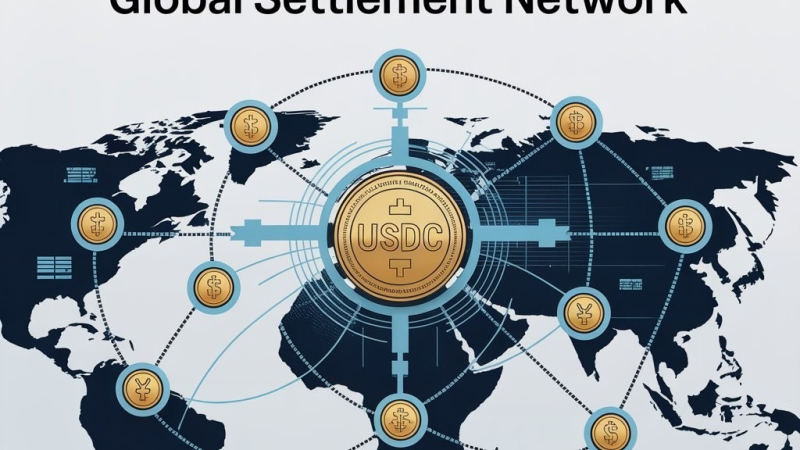
Visa stablecoin integration: what changes with Pismo
Visa stablecoin integration is advancing into core issuing and processing workflows as the stablecoin platform connects to Pismo. According to available reports from Ledger Insights, executives expressed interest in further acquisitions to enhance product coverage in payments, treasury, and settlement. This strategic move aligns with broader digital finance strategies focusing on continuous transaction windows and programmable settlement controls for issuers and fintechs.
Rather than offering stablecoins as a consumer wallet feature, Visa is positioning the capability as infrastructure for partners to integrate inside cards, accounts, and merchant flows. This approach is significant because it places stablecoins as a settlement rail alongside existing networks and bank rails, allowing issuers to control compliance programs.
Why Visa stablecoin integration fits Pismo’s core stack
Pismo provides cloud-native issuing and banking processing that supports card programs and account ledgers, making it an ideal platform for token-based settlement tools. Incorporating stablecoin functions within this framework enables Visa to streamline the process from product design to operational rollout for partners utilizing Pismo.
The implementation strategy as indicated by Ledger Insights suggests embedding capabilities within issuers’ existing control systems. Reports from CoinDesk highlight Morgan Stanley’s insights regarding the decline of traditional banking hours, underscoring why infrastructure teams value continuous settlement windows. More context on enterprise rollout priorities is available in Stablecoin Market Shift: USDC Overtakes USDT Activity.
Operational impact on issuers and stablecoin adoption
Stablecoin adoption is expected to become less reliant on custom issuer integrations, as processing platforms standardize settlement and reporting interfaces. This standardization simplifies applying consistent controls for minting, redemption, and settlement bookkeeping — areas under supervisory scrutiny. Visa stablecoin integration is being monitored by issuers assessing operational overhead and reporting readiness.
Additionally, the integration challenges competing networks to clarify token settlement support measures without fragmenting liquidity. For a broader view of market narrative and infrastructure priorities, visit Crypto Bull Run Outlook: Stablecoins and Tokenization. The competitive response will likely focus on delivering standardized settlement and reporting interfaces swiftly at scale.
Regulation, compliance, and audit requirements
Regulatory considerations remain crucial, particularly across Europe where MiCA influences listing, custody, and distribution decisions for services involving stablecoins. Stable100 outlines recent compliance impacts in Stablecoin regulation hits Binance app listings under MiCA. Issuers utilizing stablecoin settlements require clear policies for reserve disclosures, transaction monitoring, and reconciliation audit evidence.
From an operational standpoint, embedding stablecoin tools within core processors aids institutions in maintaining a comprehensive control set: approvals, limits, exception handling, and reporting. Infrastructure teams prioritize the stablecoin rail’s location, not just the token in use.
What to watch next for Visa and Pismo
Visa’s communication suggests ongoing exploration of build and buy strategies, with acquisitions considered for expanding capability coverage. The critical operational question remains the extent to which stablecoin functions are integrated into Pismo, allowing partners to adopt them without revising risk controls or settlement policies.
Visa stablecoin integration may also impact issuers’ cross-border settlement designs, particularly where on-chain transfers can streamline processes while maintaining stringent reporting standards. Insights from CoinDesk on custom tokens highlight the importance of protocol design and operational tools in enterprise rollouts, as outlined in Brale on a protocol to scale custom tokens. Success will depend on jurisdiction-specific rules and processor-scale compliance expectations.