South Korean crypto trading spikes as equities slide
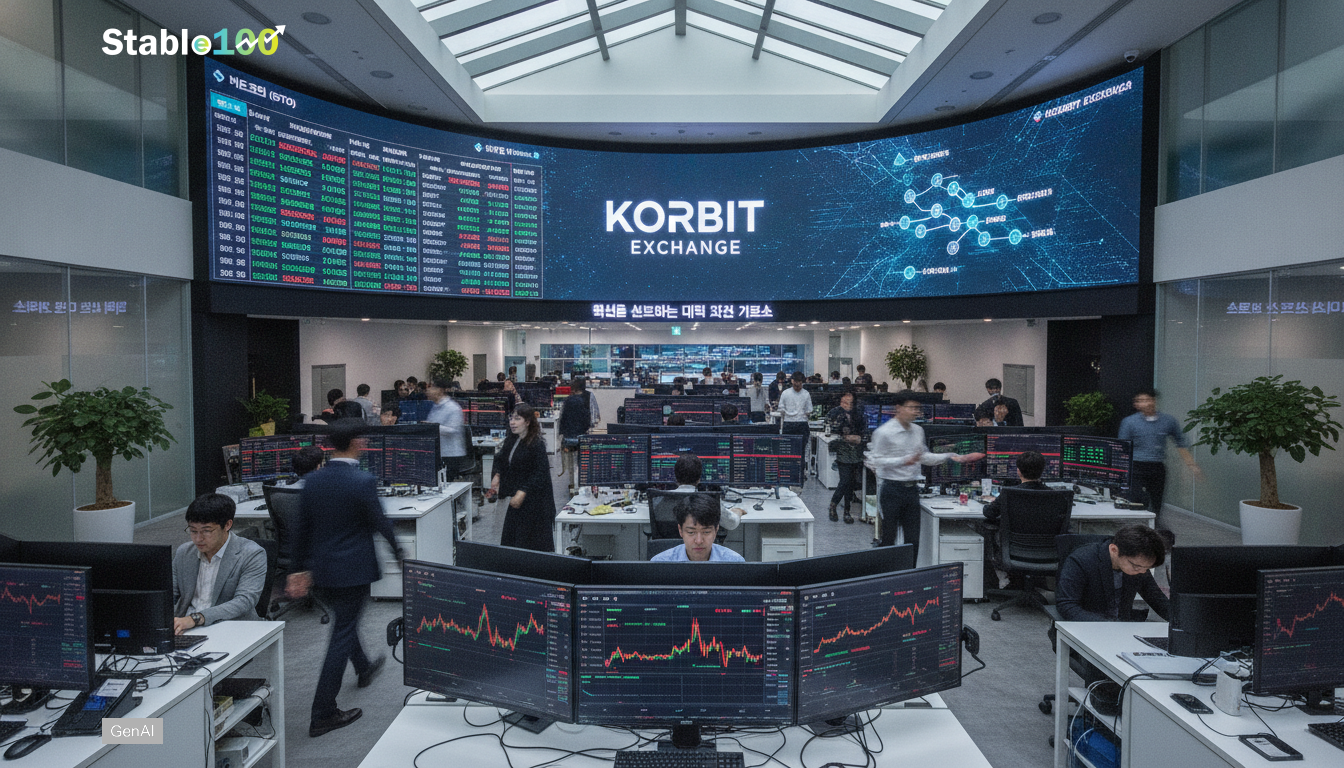
South Korean crypto trading accelerated as local equities sold off and retail flows appeared to rotate into digital assets for faster execution, according to traders quoted by local market participants. Traders described a rush toward liquid pairs and quick hedges as price discovery seemed to shift from cash equities to exchanges. During the session, spreads appeared to tighten on major tokens, and stablecoin pairs reportedly carried a larger share of turnover as participants parked funds between entries. Regulators and exchange operators stayed alert to volatility, with surveillance and bank-linked fiat rails potentially under pressure when deposits and withdrawals surge, according to industry commentary. The move underscored how fast domestic risk sentiment can migrate when stock market conditions turn abrupt, and why short-term positioning can dominate over longer-horizon allocations in a stress window.
Drivers behind the turnover shift in South Korea
The spike was tied to a classic de-risking pattern: some investors possibly reduced their equity exposure and looked for alternative venues that could be entered and exited quickly, as traders and desks have described in similar risk-off periods. Domestic desks also pointed to stablecoins as a preferred settlement layer during choppy price action, which can support repeated round trips rather than one-way bets. Macro uncertainty contributed to the short-term switching described in https://usdobserver.com/federal-reserve-holds-rates-again-markets-reprice-risk/, which tracked repricing across markets after the central bank decision. In options and perps, hedging demand appeared to rise as traders tried to offset equity beta with crypto exposure, based on market participant observations rather than official figures. Platform status updates and potential banking cutoffs became just as important as charts in determining when capital could move.
How the rally in activity feeds into global crypto markets
As Korean order books thickened, global venues can react through faster momentum transmission into Asia hours and more active arbitrage monitoring, according to common cross-venue trading dynamics. The pattern fit broader crypto market trends where regional bursts of liquidity may amplify intraday swings even without a single headline catalyst. South Korean crypto trading can also influence offshore positioning when local volume arrives during thinner global liquidity windows, sometimes prompting follow-through in perps and spot, according to traders. Policy framing remained a background driver, echoed by CoinDesk coverage on sentiment and legislation in https://www.coindesk.com/policy/2026/07/30/jpmorgan-says-fading-clarity-act-odds-weigh-on-crypto-outlook. For related market structure context on derivatives and cross-venue risk, see https://tethernews.com/binance-gold-silver-options-launch-on-adgm-exchange/, alongside the same cross-venue considerations.
What it means for South Korean exchanges and regulation
For exchanges, a sudden trading volume increase can test market surveillance, custody operations, and bank-linked fiat rails that may bottleneck when deposits surge, according to exchange-operations best practices. Operators can face higher operational costs for real-time monitoring of wash trading, rapid pump patterns, and abnormal stablecoin flows, especially during stress sessions, as compliance professionals commonly note. Regulatory framing around stablecoin usage and reporting has become central to how firms plan for volatility and audits; additional context is outlined in https://stable100.com/south-korea-stablecoin-regulation-rules-and-tax-fight/. Compliance expectations also influence product and listing decisions, as platforms balance latency, fee schedules, and risk controls. Corporate risk teams may benchmark local liquidity against offshore venues and adjust hedge ratios when spreads widen.
Investor playbook for volatile sessions
Investors navigating cross-asset turbulence focused on execution discipline because rapid reversals can punish over-leveraged positioning, according to trader commentary. Many traders emphasized predefined entry and exit levels, conservative collateral buffers, and using stablecoins as a temporary settlement tool rather than a long-term refuge. For broader payments-rail context that can affect stablecoin demand and settlement narratives, see https://stable100.com/visa-stablecoin-integration-expands-pismo-settlement-rails/, a topic that came up in desk notes during the July 30 session. In this framework, liquidity can be attractive, but orders may need staging to reduce slippage during spikes and to account for maintenance windows or banking transfer delays. Portfolio managers also watched correlations between domestic equities and bitcoin proxies to reduce whipsaw, according to market participants. Post-trade review and documented risk limits remained core when conditions stayed fragile.