SEC crypto regulation proposal: what it changes
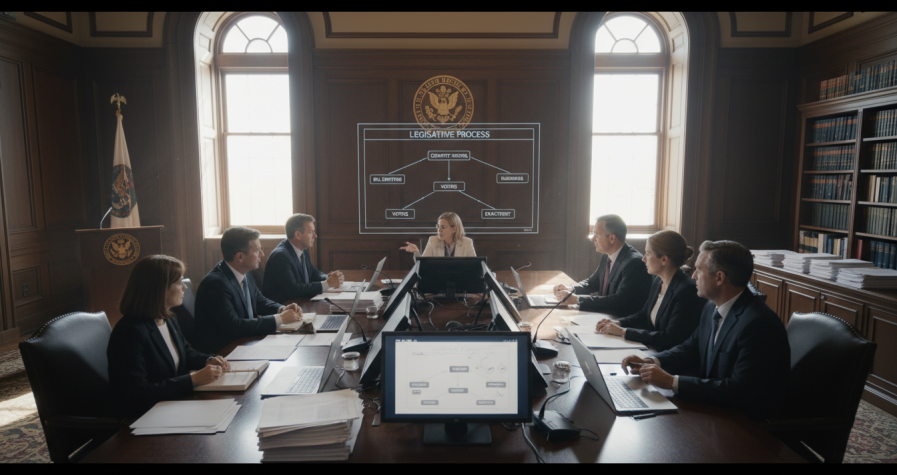
The SEC has reportedly advanced a proposal intended to clarify how certain crypto activities fit under U.S. securities rules. According to available reports, the current direction of SEC crypto regulation may be shifting away from ad hoc interpretations toward more explicit standards that firms can plan around. The agency has framed the move as a modernization effort that could provide clearer compliance pathways for trading venues, intermediaries, and issuer disclosures. Commissioner Hester Peirce has said prior approaches were not well matched to how digital asset markets operate and has urged a rulemaking process driven by public comment. The practical impact will depend on what the SEC ultimately adopts after reviewing feedback and refining definitions tied to custody, trading, and disclosure expectations.
Why Hester Peirce backs policy updates
Peirce has characterized the proposal as a step toward rules designed for digital asset market structure rather than forcing tokens into legacy categories. She has also argued that clearer definitions can help firms build compliant products without treating enforcement actions as the primary guidance signal. For transparency and reserve verification context that regulators often cite in stablecoin discussions, Tether Audit Completed, Enhancing Transparency in USDT offers a comparable disclosure-focused example. Her remarks underscore ongoing debate inside the agency over how the SEC’s approach to crypto should balance investor protection with workable compliance for exchanges, brokers, and custodians. The SEC has not finalized the proposal, and the notice-and-comment process will shape how narrowly or broadly it applies.
How the SEC proposal differs from earlier crypto rules
The proposal’s core contrast is between adapting traditional securities plumbing and writing requirements that reflect crypto operational realities. Peirce has said earlier approaches were inapt because they assumed custody chains, intermediaries, and venue structures that do not always match how tokens circulate or how software coordinates trading. That critique helps explain why SEC crypto regulation is being discussed as a more purpose-built framework rather than only incremental guidance. In recent weeks, market participants and compliance teams have focused on how the SEC describes roles such as broker, exchange, and custodian when smart contracts or noncustodial tools perform functions historically handled by firms. On stablecoin design tradeoffs that can affect custody and disclosure expectations, Tokenized deposits vs stablecoins: differences provides additional background relevant to compliance interpretation.
Market impact: trading, custody, and listings
The first effects may show up in compliance planning as exchanges, brokers, and custody providers map operations to any revised definitions and recordkeeping expectations. Firms that can document governance, risk controls, and customer protections may find it easier to maintain banking and payment relationships, while weaker actors could face higher costs and tighter counterparties. Legal clarity can also influence token listing decisions when venues want to reduce classification risk and limit exposure to retroactive enforcement claims. In such an environment, the SEC’s crypto policy functions as a signal to capital markets about which models are more likely to endure. Product design may shift toward clearer separation of trading, custody, and settlement, and platform choices matter for auditability and controls, as discussed in Tokenization Infrastructure: Comparing Platform Stacks.
What happens next
Future steps depend on public comments and how the SEC reconciles competing views on investor protection, innovation, and jurisdictional boundaries. Peirce has repeatedly argued that durable policy should come through notice-and-comment rulemaking rather than regulation by enforcement, and the current initiative is being positioned in that direction. A key question is whether the final text defines intermediary responsibilities in a way that courts and market participants can apply consistently across token types and custody models. Coordination with other U.S. regulators and lawmakers could also influence timing and scope where commodities oversight or payments rules overlap. Market sensitivity to perceived regulatory clarity remains high; for example, https://www.coindesk.com/markets/2026/08/19/coinbase-circle-and-bullish-jump-as-clarity-act-proponents-express-optimism-about-bill highlighted price moves tied to legislative optimism. The long-term value of SEC crypto regulation will be measured by whether it reduces uncertainty without weakening baseline protections.