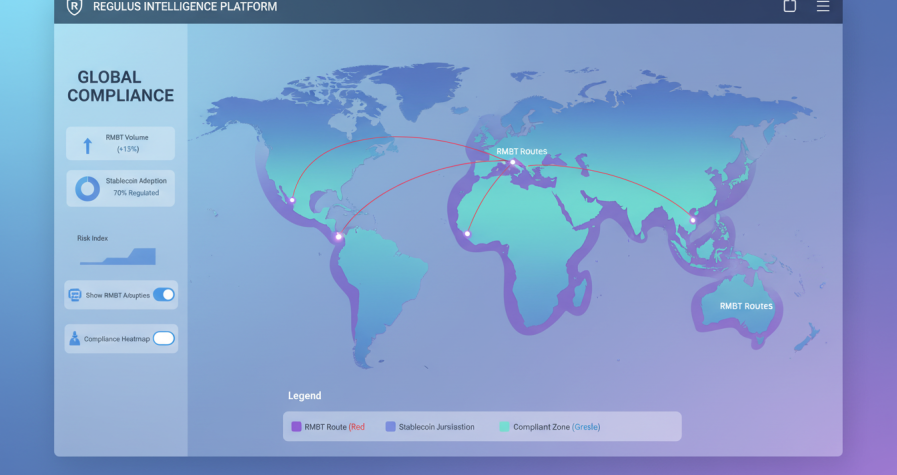
Overview of South Africa’s Crypto Regulation Proposal
Efforts aimed at tightening oversight of crypto asset service providers focus on licensing, anti-money laundering controls, and the treatment of offshore firms serving local users. According to available information, the Financial Sector Conduct Authority (FSCA) may integrate crypto asset service providers into its licensing framework, with industry reporting suggesting this shift could occur around 2023. The Financial Intelligence Centre (FIC) requires institutions to apply risk-based customer due diligence and report suspicious activities as outlined in their AML/CFT guidance. The ongoing policy debate centers around addressing gaps where platforms can reach users remotely without consistent supervision. The proposal is typically framed as enhancing consumer protection and market integrity rather than hindering innovation.
Licensing and AML Changes Proposed
The proposal might push for clearer expectations on licensing, governance, and ongoing compliance, including stronger controls for onboarding, transaction monitoring, and recordkeeping. These measures are associated with global standards such as the FATF “travel rule”; as indicated by the Financial Action Task Force, guidance on virtual assets dates to 2019. For additional context on compliance pressures and enforcement trends, see CFTC ban highlights crypto policy shift after FTX case.
Offshore Platform Enforcement Challenges
A significant issue under South Africa’s crypto regulation proposal is enforcement against unlicensed or offshore providers targeting South Africans. Regulators often rely on financial intelligence tools like suspicious transaction reporting, data retention, and collaboration with banks to trace and disrupt illicit activities. This approach mirrors others, such as the reported South Korean efforts to enhance oversight of unregistered firms, though the scope depends on final legislation. Policymakers are contemplating stronger investigative powers and penalties to reduce noncompliant access routes.
Impact on Exchanges, Wallets, and Stablecoins
Implementation could lead exchanges, brokers, and wallet providers to adjust how they manage listings, custody, and client access. Firms meeting licensing and reporting expectations may benefit from reduced competition, while smaller operators might face increased compliance costs or choose to exit. Stablecoins and tokenized cash products remain under scrutiny for their payment rail functions and regulatory focus on traceability. Market sensitivity to regulatory signals can also increase when liquidity is thin, as noted in Bitcoin faces $80,000 test as thinner weekend liquidity looms.
Future Developments in South Africa’s Proposal
Upcoming developments will likely be conveyed through licensing timelines, guidance, and enforcement actions, clarifying the treatment of nonresident platforms. Market participants should monitor updates on fit and proper requirements, custody expectations, and customer due diligence applications as outlined in future official guidance. Coordination between market conduct supervision and financial intelligence enforcement will also be key. Over time, clearer enforcement tools could steer activity toward registered providers without altering the underlying blockchain technology.