Stablecoin transaction activity surged to unprecedented levels in 2025, underscoring the growing role of blockchain-based dollars in global digital finance. Total transaction volume across major stablecoins climbed 72 percent year over year to reach $33 trillion, reflecting accelerating use in trading, payments, and on-chain settlement. The growth highlights how stablecoins are increasingly being used as functional money rather than niche crypto instruments, particularly as regulatory signals in the United States have turned more supportive of digital asset innovation. Transaction data compiled by Artemis Analytics shows that dollar-pegged tokens now facilitate value transfers at a scale comparable to established global payment networks. This expansion signals a structural shift in how liquidity moves across borders and platforms, as stablecoins offer near-instant settlement and constant availability while maintaining price stability tied to fiat currencies.
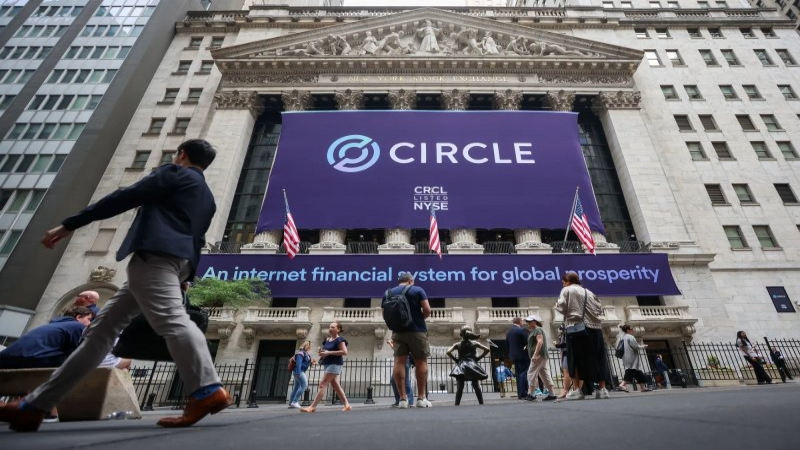
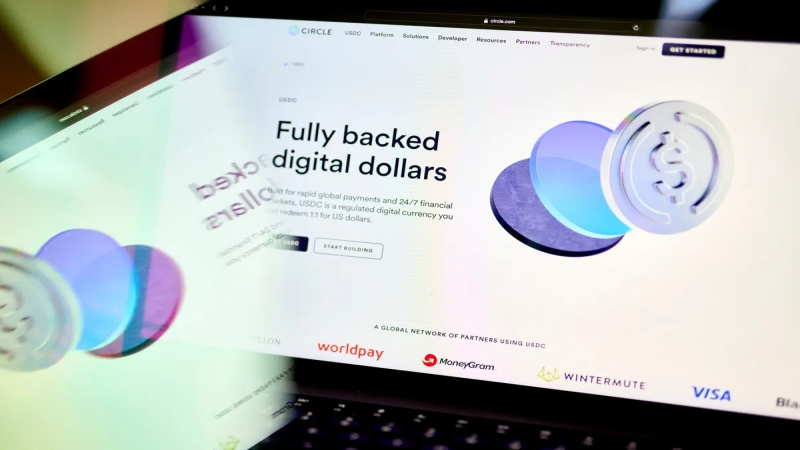
The largest share of stablecoin transaction volume came from USDC, the digital dollar issued by Circle Internet Group, which accounted for approximately $18.3 trillion in transfers during the year. Tether’s USDT followed closely with $13.3 trillion in transaction volume, reinforcing its continued relevance in global crypto markets. The dominance of these two stablecoins reflects their deep liquidity, broad exchange support, and increasing integration into decentralized finance and centralized trading venues. Beyond trading, stablecoins are being adopted for corporate treasury operations, cross-border payments, and settlement between financial institutions seeking alternatives to slower legacy rails. The scale of these figures suggests that stablecoins are no longer peripheral tools but core infrastructure for digital value exchange across a wide range of use cases.
Policy developments have played a meaningful role in this acceleration, with a more favorable regulatory environment encouraging both crypto-native firms and traditional financial players to expand stablecoin usage. As compliance frameworks become clearer, stablecoins are increasingly viewed as programmable representations of cash that can operate seamlessly across blockchains and financial platforms. The $33 trillion milestone illustrates how on-chain activity is converging with real-world financial demand, particularly as institutions experiment with tokenized payments and settlement layers. Rather than signaling speculative excess, the rise in transaction volume points to maturing market behavior, where stablecoins function as high-velocity financial plumbing. This trend positions stablecoins as a foundational layer for future digital finance, with implications for payments, liquidity management, and the broader evolution of global money movement.