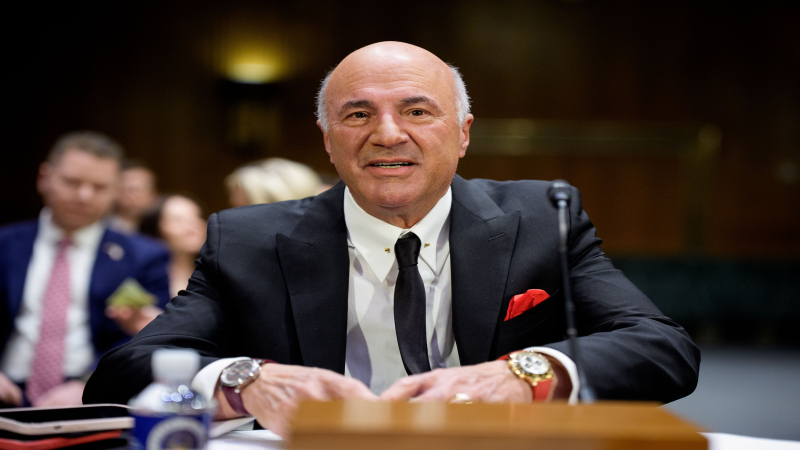
Kevin O’Leary is shifting his crypto strategy away from speculative tokens and toward the physical backbone that supports digital finance and artificial intelligence. The investor said he now controls roughly 26,000 acres of land across multiple regions, including 13,000 acres in Alberta and another 13,000 acres in locations currently undergoing permitting. His goal is not to build data centers himself but to prepare utility-ready, shovel-ready sites that can be leased to bitcoin miners, cloud providers, hyperscalers, and eventually government-linked computing projects. O’Leary argues that access to land, power, water, and fiber has become the true bottleneck in the next phase of crypto and AI growth. In his view, infrastructure constraints will determine which projects succeed, as rising demand for compute collides with regulatory, energy, and zoning realities that many announced developments have underestimated.
The strategy reflects O’Leary’s belief that power contracts and infrastructure economics matter more than token narratives. He has compared bitcoin mining and data centers to real estate development, where securing the right location and utilities determines long-term value. According to him, nearly half of the data centers announced over the past three years may never be built due to lack of proper land access and permitting. Some of the power contracts tied to his sites, particularly those offering electricity costs below six cents per kilowatt hour, are in his assessment more valuable than bitcoin itself. These locations are being prepared to handle energy-intensive operations in the near term and broader cloud and AI workloads over time. O’Leary said about 19 percent of his portfolio is now allocated to crypto-related assets, including digital currencies, infrastructure investments, and land, reinforcing his view that the real opportunity lies beneath the software layer.
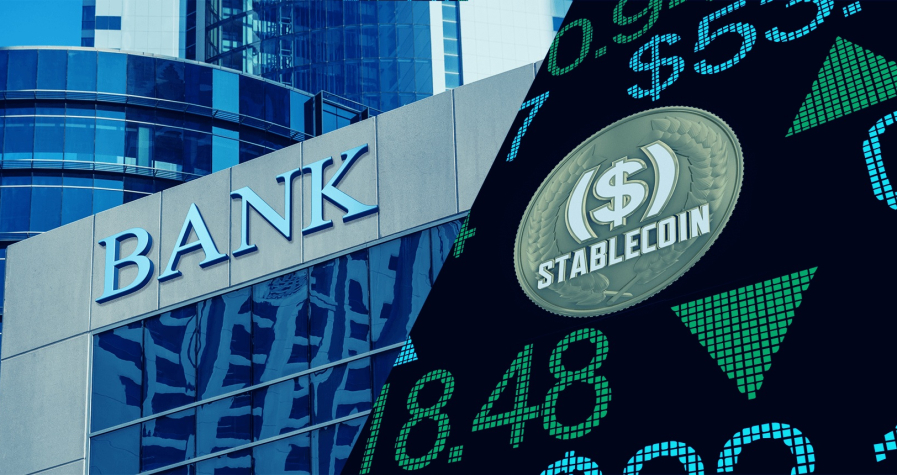
Alongside his infrastructure push, O’Leary has grown increasingly skeptical of most crypto tokens. He believes institutional investors only care about bitcoin and ethereum, arguing that the vast majority of smaller tokens remain deeply underwater and unlikely to recover. In his assessment, exchange traded funds have attracted some retail interest but are largely irrelevant to large institutions. What could change that, he said, is regulatory clarity in the United States. O’Leary pointed to ongoing debates around crypto market structure legislation, particularly provisions that restrict yield on stablecoin accounts. He argues that banning yield creates an uneven playing field that favors traditional banks and slows institutional adoption. Allowing regulated stablecoin yield, in his view, would unlock significant capital flows into core crypto assets. Until then, he believes the smartest bet is on the infrastructure that will power digital finance regardless of which applications ultimately dominate.