USD1, the dollar backed stablecoin issued by World Liberty Financial, briefly fell below its one dollar peg on Monday after the project claimed it was targeted by a coordinated attack. The token dropped to as low as 0.994 dollars, about 0.6 percent below its intended price anchor, before recovering to around 0.998 dollars, according to market data.
World Liberty Financial, a crypto protocol with reported ties to the family of former President Donald Trump, said the price disruption followed the compromise of multiple cofounder social media accounts. In a public statement, the team alleged that attackers paid influencers to spread fear and opened short positions against the protocol’s native token WLFI in an attempt to trigger panic and profit from volatility.
Despite the temporary depeg, developers said USD1’s built in redemption mechanism helped prevent a deeper or prolonged divergence from one dollar. The stablecoin allows holders to redeem tokens directly for US dollars at a one to one ratio, a feature that can provide arbitrage opportunities when market prices deviate from the peg. Such convertibility mechanisms are widely viewed as critical to maintaining stablecoin resilience during stress events.
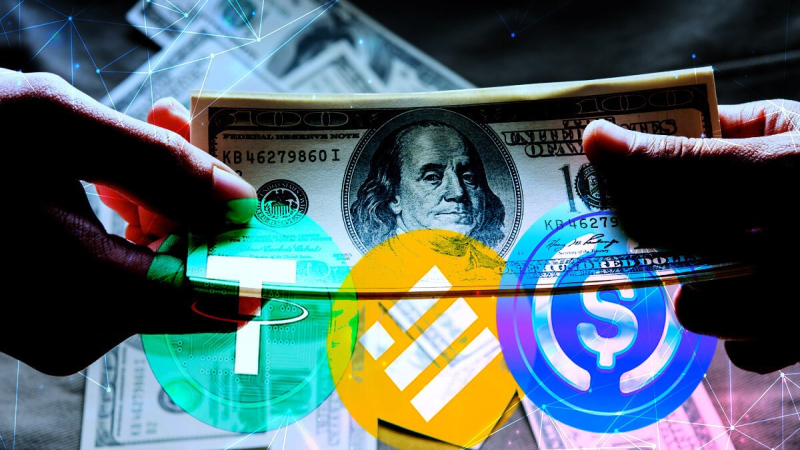
USD1 is issued in partnership with crypto custodian BitGo and is backed on a one to one basis by short term US government Treasuries, US dollar deposits and other cash equivalents. According to the issuer, reserves are subject to monthly attestations signed by an independent consulting firm. The token currently has a market capitalization of approximately 5 billion dollars, placing it among the larger dollar denominated stablecoins, though still behind dominant players such as USDT and USDC.
The brief wobble highlights ongoing sensitivity in the stablecoin sector, particularly for newer entrants navigating both market volatility and reputational risk. Stablecoins are designed to maintain a steady value by holding high quality liquid assets, but secondary market pricing can still fluctuate during periods of uncertainty, especially if confidence in governance or operational security is questioned.
Market observers note that even minor deviations from a one dollar peg can attract attention, given the systemic role stablecoins play in crypto trading, lending and settlement. Arbitrage traders typically step in when prices fall below parity, purchasing discounted tokens and redeeming them for full value, helping restore equilibrium.
The episode also underscores how social media narratives and security incidents can influence digital asset prices in real time. While USD1 quickly narrowed its discount, the incident adds to a growing list of stress tests for stablecoin projects operating in a rapidly evolving regulatory and political environment.