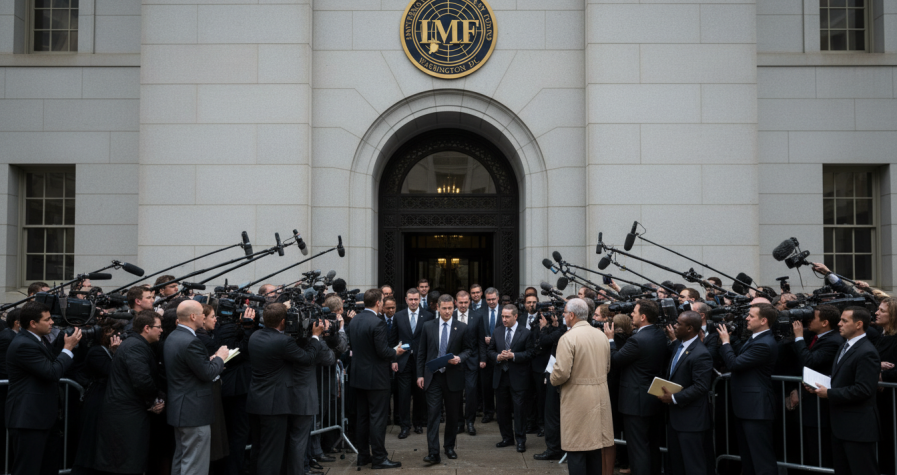
The Bank of England may reconsider aspects of its proposed regulatory framework for pound denominated stablecoins as policymakers continue evaluating how digital currencies could operate within the United Kingdom’s financial system. A senior official from the central bank recently indicated that regulators remain open to adjusting the proposed rules if constructive feedback emerges from the financial sector. The comments highlight ongoing discussions between policymakers and industry participants about how stablecoins should be structured to ensure safety, transparency, and compatibility with existing financial regulations.
The proposed regulatory framework was designed to ensure that stablecoins linked to the British pound maintain strong financial backing and can be redeemed at their face value. Under the current proposal, issuers of systemic pound stablecoins would be required to maintain full asset backing to protect users and preserve financial stability. The framework also requires that companies operating such stablecoins be subject to direct supervision by the Bank of England if authorities determine that the tokens could have a significant impact on the financial system. Regulators view these safeguards as necessary to prevent risks associated with large scale digital payment networks.
One of the key elements of the proposed rules focuses on the composition of reserves supporting pound based stablecoins. Issuers designated as systemic would be required to hold a significant portion of their reserves directly at the Bank of England in the form of deposits. The remainder of their reserves could be invested in short term United Kingdom government debt. This structure is intended to ensure that stablecoins remain highly liquid and capable of meeting redemption requests from users at any time. Regulators believe these measures would strengthen confidence in digital tokens used for payments and financial transactions.
Officials involved in the discussions have acknowledged that engagement from industry participants has been limited so far, prompting concerns about the level of collaboration between regulators and the private sector. However, policymakers have emphasized that the regulatory process remains flexible and open to revision if stakeholders provide meaningful proposals or feedback. Authorities believe that stablecoin regulation must balance innovation with financial safety while ensuring that emerging payment technologies can develop within a secure legal framework.
The Bank of England’s approach to stablecoin oversight reflects a broader trend among central banks and financial regulators around the world. As digital payment technologies expand, policymakers are working to establish rules that allow stablecoins to function as reliable digital representations of national currencies. These discussions are particularly important in countries where stablecoins could potentially be used for large scale payment systems or integrated into financial infrastructure used by banks and businesses.
In the United Kingdom, regulators have also proposed that stablecoins primarily used for trading activity rather than payments remain under the supervision of the Financial Conduct Authority. This dual oversight model would allow the Bank of England to focus on systemic payment related risks while the financial regulator monitors market activity and trading practices. By dividing responsibilities between institutions, policymakers aim to create a regulatory structure that addresses both financial stability concerns and investor protection.
The evolving regulatory debate surrounding pound based stablecoins reflects the rapid growth of digital asset technologies within global financial markets. Governments and central banks are increasingly focused on how digital tokens linked to traditional currencies could reshape payments, cross border transactions, and financial infrastructure. As policymakers continue refining these rules, stablecoin issuers and financial institutions are closely monitoring regulatory developments that may influence the future of digital currency adoption in the United Kingdom.