Italy’s decision to conduct an in depth examination of cryptocurrency related risks marks a significant escalation in its approach to digital asset oversight, reflecting concerns about growing exposure across both…

Italy’s decision to conduct an in depth examination of cryptocurrency related risks marks a significant escalation in its approach to digital asset oversight, reflecting concerns about growing exposure across both…

Institutions are accelerating their testing of tokenized cash as new regulated settlement pilots expand across major financial centers. These programs aim to determine whether tokenized cash can function as a…

Institutional adoption of stablecoins continues to expand, and this growth has pushed risk teams to upgrade how they evaluate digital settlement assets. In 2025, stablecoin guides released by market bodies,…

Stablecoin regulation is entering a new phase as global supervisors revise their policy maps in response to rising institutional flows and expanding tokenization activity. Market data from the past quarter…

U.S. authorities escalated their enforcement efforts against large scale crypto fraud operations by seizing a domain connected to an investment scheme operating from a compound in Burma, marking another step…
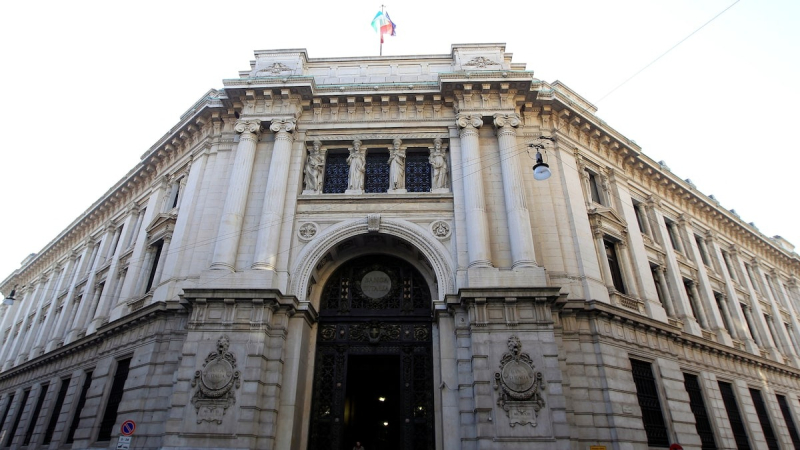
The European Central Bank has advised Italy to reconsider a legislative amendment that asserts the nation’s gold reserves belong directly to the Italian people, prompting renewed focus on central bank…

Large wallet clusters have begun accumulating stablecoins in a synchronized pattern as key regulatory deadlines approach across multiple jurisdictions. On-chain activity shows a visible rise in coordinated inflows among high-value…

Global finance hubs are adjusting their tokenization frameworks as new compliance updates roll out across major regulatory regions. These updates are pushing institutions to refine their operational models, particularly around…

Poland’s decision to block a proposed digital asset regulation bill has triggered renewed debate across Central Europe on how tightly crypto markets should be supervised and what level of intervention…

Regulators in multiple regions have released early guidance indicating that reserve-backed stablecoins will face tighter disclosure and reporting requirements over the coming cycle. The shift reflects a broader push to…