Artificial intelligence is becoming a central force in modern trading systems as platforms increasingly rely on automated agents to handle complex tasks. A senior Nasdaq executive highlighted how AI has already been integrated across key areas of financial infrastructure, offering a glimpse into how trading environments are evolving. The shift reflects growing confidence in machine driven systems that can process data faster and operate with greater consistency than traditional workflows.
Over the past year and a half, Nasdaq has expanded its use of AI across multiple functions, including market surveillance, compliance operations and trading analysis. These systems are designed to handle high volume and repetitive tasks, allowing human operators to focus on oversight and final decision making. The approach balances efficiency with control, keeping humans involved as a safeguard while machines handle execution and monitoring.
One of the most notable developments has been the improvement in trust around AI systems. Earlier concerns about inaccuracies limited adoption in sensitive environments, but recent advancements have made these tools more reliable. This has opened the door for wider deployment, particularly in areas where precision and speed are critical. As a result, financial institutions are becoming more comfortable integrating AI into core operations.
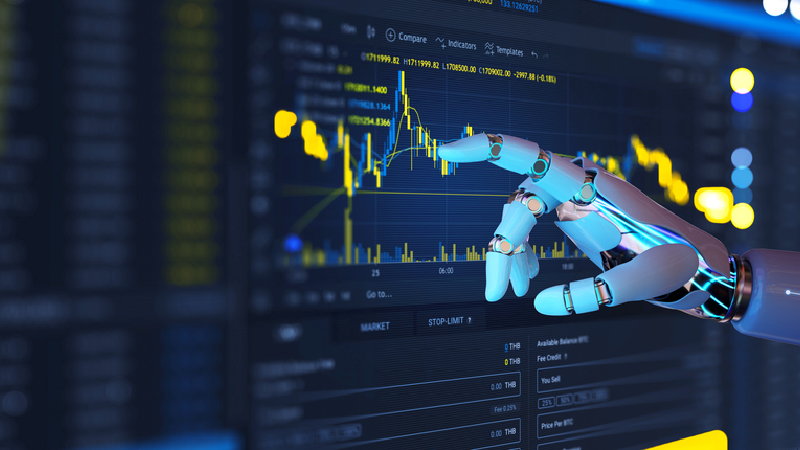
The growing role of AI is also reshaping how trading decisions are made. Advanced models can analyze multiple data points simultaneously, adjusting strategies in real time based on changing market conditions. This level of responsiveness is difficult to achieve through manual processes, giving AI driven systems a competitive edge in fast moving markets.
Crypto trading platforms are expected to move even faster in adopting these technologies. Their digital native infrastructure allows for quicker integration of AI tools, especially in areas such as trade recommendations, portfolio analysis and execution support. These platforms are positioning themselves as early adopters, experimenting with features that bring automated insights directly to retail users.
At the same time, the rise of AI agents is beginning to impact the workforce. Routine roles that involve monitoring, analysis and repetitive decision making are increasingly being handled by machines. This shift is prompting companies to rethink operational structures as automation becomes more capable and cost efficient.
Despite these changes, full autonomy remains limited. Human oversight continues to play a critical role, particularly in high risk environments where accountability and regulatory compliance are essential. AI systems are being deployed as support tools rather than complete replacements, ensuring that final control remains in human hands.
As adoption accelerates, the integration of AI into trading systems is expected to redefine market dynamics. Faster execution, improved efficiency and enhanced analytical capabilities are setting new standards across both traditional finance and digital asset markets, signaling a transition toward more automated and data driven trading environments.