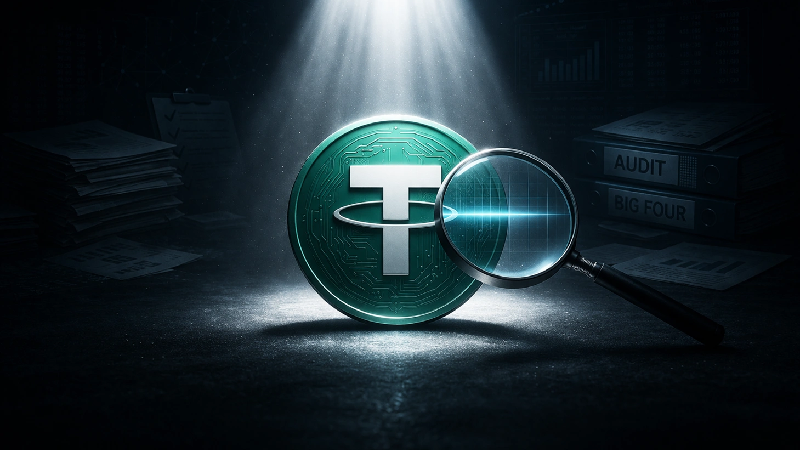
Tether has announced plans to undergo its first full financial audit by a Big Four accounting firm, marking a significant step in addressing long standing concerns about the reserves backing its USDT stablecoin. The company confirmed that it has engaged a major global auditor, though it has not disclosed the firm’s identity or the expected timeline for completion. The move signals a shift toward greater transparency as the stablecoin sector faces increasing scrutiny from regulators, investors and market participants seeking clearer insight into reserve composition and risk exposure.
The audit process is expected to involve a comprehensive review of Tether’s financial systems, internal controls and reporting standards. This level of scrutiny goes beyond the company’s existing disclosure model, which has relied primarily on periodic attestations rather than full independent audits. By transitioning toward a complete financial review, Tether is aiming to strengthen confidence in its operations and provide more detailed verification of the assets supporting its stablecoin. The development reflects growing pressure within the industry to adopt higher standards of accountability.
Tether’s reserves have been a focal point of debate for years, with questions raised about the quality, liquidity and composition of the assets used to back USDT. The company has stated that its reserves include a mix of instruments such as government securities and other financial assets, while previous disclosures have also indicated exposure to alternative holdings. The absence of a full audit has been a key concern for critics, making this latest step particularly significant in the context of ongoing discussions around stablecoin reliability and transparency.
The move comes as the broader stablecoin market evolves under increasing regulatory attention, with authorities seeking clearer frameworks for oversight and risk management. As the largest stablecoin by market value, USDT plays a central role in global crypto liquidity, making its transparency standards especially important for the wider ecosystem. Enhanced disclosure could influence how stablecoins are perceived by institutions and regulators, potentially shaping future policies and adoption trends.
Tether has been laying the groundwork for this transition through internal changes and ongoing discussions with auditing firms. The engagement of a Big Four auditor suggests a more formalized approach to financial reporting, aligning the company more closely with traditional financial standards. As the audit progresses, market participants will be watching closely for further updates on its scope and findings, which could have broader implications for trust and stability within the digital asset market.