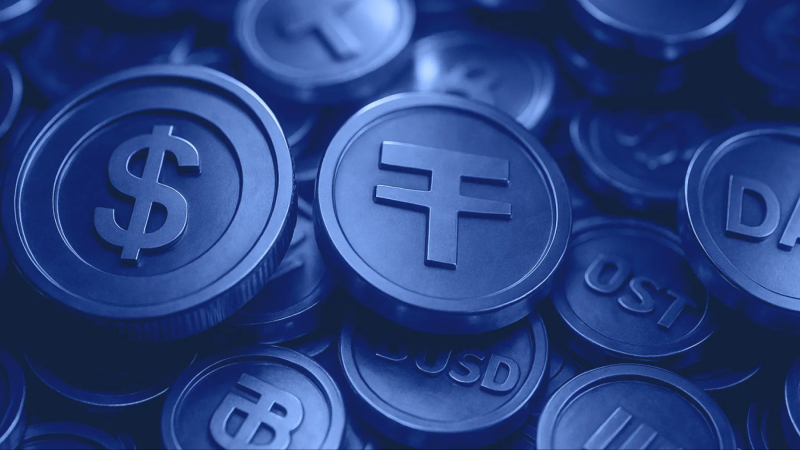
Tether has initiated its first full scale financial audit by engaging a Big Four accounting firm to review the reserves backing its USDT stablecoin, marking a major shift in how the company approaches transparency and institutional credibility. The move comes as USDT maintains its position as the largest stablecoin with a market capitalization of approximately 184 billion and a global user base exceeding 550 million. This development signals a deeper alignment with traditional financial standards as Tether moves beyond periodic attestations toward a comprehensive audit framework.
The scope of the audit extends across Tether’s entire reserve structure, including US Treasury holdings, cash equivalents, commercial paper, digital assets, and tokenized liabilities. Unlike previous attestations, which only verified asset balances at a specific point in time, the new process requires a full financial statement opinion under recognized accounting standards. This transition significantly expands the level of scrutiny applied to Tether’s operations and is expected to provide a more complete and continuous view of its financial health to regulators and institutional participants.
Executives at Tether describe the audit as the result of years of internal system upgrades designed to meet the highest standards in global finance. The company confirmed that the auditing firm was selected through a competitive process, emphasizing that its operational framework already aligns with Big Four expectations. Industry analysts view this step as a structural upgrade rather than a routine compliance measure, suggesting it could reshape how stablecoins are evaluated by financial institutions and potentially influence broader market standards for reserve verification.
The announcement also addresses long standing concerns about Tether’s transparency, which have persisted following regulatory actions in previous years. Earlier settlements related to reserve disclosures created skepticism among institutional investors, limiting broader adoption despite USDT’s dominant market position. By moving to a full audit model, Tether aims to close this credibility gap and reduce the perceived risk associated with holding or transacting in its stablecoin, particularly for large scale financial entities and regulated institutions.
The timing of the audit aligns with increasing regulatory focus on stablecoins and digital asset markets globally. Authorities are placing greater emphasis on reserve transparency, risk management, and compliance frameworks, making audit quality a critical differentiator among stablecoin issuers. As competition intensifies and new entrants position themselves around regulatory strength, Tether’s decision to adopt a Big Four audit could reinforce its leadership while setting a new benchmark for accountability across the sector.