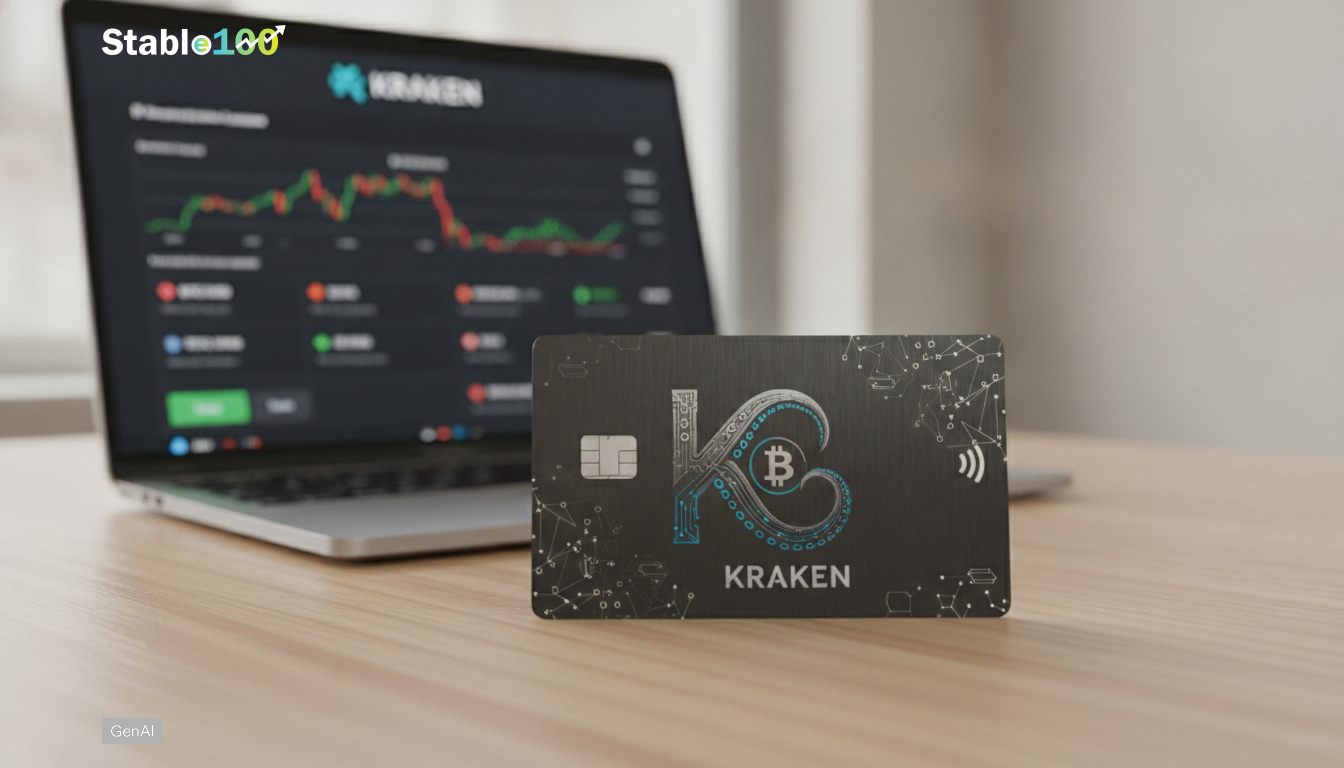
Kraken Debit Card Launch: US Availability and Basics
According to available reports, Kraken appears to have launched a US debit product under its Krak brand, extending the exchange’s push into day-to-day spending tools, as indicated by CoinDesk. CoinDesk reported the launch on Aug. 18, 2026, and described it as part of Kraken parent Payward’s broader consumer finance expansion. The Kraken debit card is presented as a way for customers to pay from crypto balances or traditional dollars at the point of sale, according to CoinDesk, with the goal of routine merchant acceptance. CoinDesk also framed the debut as a step toward tighter app and card coordination across funding and spending.
How the Kraken Debit Card Works at Checkout
For customers, the practical change is that a single card could connect spending to balances that already sit on the platform, without necessarily requiring a separate bank-style account for each asset, as described by CoinDesk. For readers comparing payment rails and settlement risks across crypto, Stablecoin Depeg: Causes, Signals, and Monitoring Guide offers context on where stability can break down. CoinDesk emphasized everyday usability over niche rewards, reflecting a broader shift toward platforms that integrate trading, custody, and payments. Separately, USDT transfers: Tron leads small sends in Q2 2026 provides a data point on how stablecoin usage patterns keep evolving as consumer payments and transfers grow.
Customer Use Cases and Everyday Benefits
The pitch, as characterized in CoinDesk’s coverage, is convenience: fewer steps between holding assets and paying, and clearer access to balances that already live in the Kraken app. CoinDesk linked Kraken’s consumer direction to its broader product scope in Kraken adds U.S. stocks in Europe as TradFi-crypto divide blurs. That matters for users who want optionality at checkout without moving funds out to a bank before spending. A similar theme shows up in tokenized markets, where platforms compete on access and distribution, as covered in US Institutions Turn Tokenization Into an Edge Today. For users evaluating a crypto debit card for daily purchases, the Kraken debit card narrative hinges on whether the in-app spending experience is simpler than moving funds to a traditional bank first.
Compliance and Regulation Implications for Kraken
As exchanges increasingly resemble multi-product financial apps, card issuance can raise the bar for compliance, disclosures, and operational controls inside consumer-facing products. In the US, payment instruments may attract additional scrutiny beyond exchange licensing, especially around consumer protections, transaction monitoring, and clarity on any conversion mechanics between crypto and dollars, depending on the structure of the program. For a regulatory reference point on how rules are evolving, see Stablecoin Regulation: Treasury Finalizes GENIUS Act. The competitive context also matters: fintechs already dominate card issuance, so reliability and transparency will likely influence whether a Kraken debit card becomes a lasting payment option or mainly serves existing exchange users.
What Comes Next for Payward and the Card Strategy
Payward’s strategy appears centered on building a fuller consumer finance stack that can help diversify revenue beyond spot trading fees, according to CoinDesk’s framing of Kraken’s product direction. CoinDesk has noted how shifting market attention can reward platforms that keep users engaged across multiple behaviors; for wider market backdrop, see Bitcoin has gone quiet as traders chase ‘5x or 10x’ payoffs elsewhere. The card is one distribution point, but it may also deepen partnerships for issuance, processing, and risk management while keeping the user experience inside Kraken’s app. Near term, the usefulness of this debit offering likely depends on uptime, clear fees, and straightforward disclosures.