What tokenized deposits are and why they matter
Tokenized deposits are bank deposits recorded or represented on a blockchain while keeping the standard depositor relationship with a supervised bank. Unlike a generic onchain token, tokenized deposits are intended to preserve the same legal claim a customer has on a bank balance sheet, including how funds are treated under local banking law and, where applicable, deposit insurance frameworks. For treasury and payments teams, the appeal can be faster settlement and improved reconciliation without changing counterparty risk. A practical differentiator is legal finality: whether the holder has a direct claim on a regulated deposit and how that claim is enforced in normal operations and during stress. Design choices such as permissioned transfer rules can also affect intraday liquidity and payment finality.
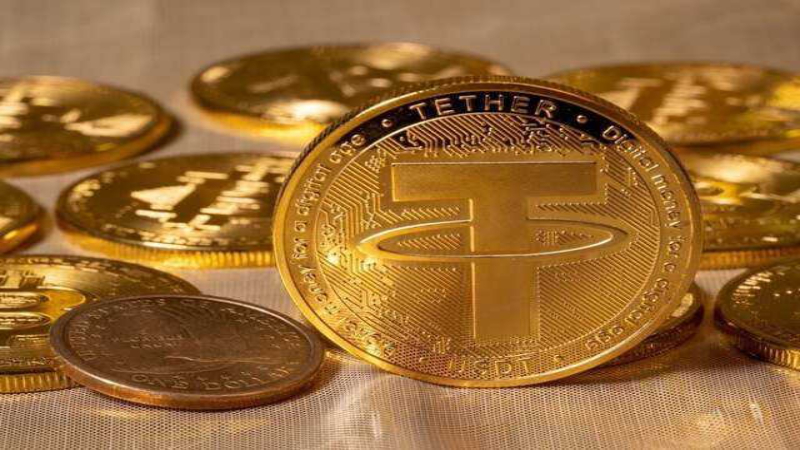
How stablecoins work and where risks differ
Stablecoins are typically issued by a private entity that promises redemption, and the strength of that promise depends on reserve composition, governance, and operational controls. The portal analysis Stablecoin Depeg: Causes, Signals, and Monitoring Guide explains common triggers and monitoring signals that can differ from deposit-based protections, and in practice users assess transparency through attestations, audits, and disclosure frequency, especially when tokens support high volume exchange settlement and payment flows. During periods of market stress, liquidity mismatches can emerge quickly if redemption demand accelerates faster than reserves can be liquidated. These differences become material for institutions that must document risk ownership, redemption paths, and governance escalation procedures before using stablecoins at scale.
Tokenized deposits vs stablecoins: legal claim and oversight
The core regulatory distinction is that deposits are generally supervised under banking rules, while stablecoin regimes are still being developed and finalized across jurisdictions. When tokenized deposits are issued by a regulated bank, the holder typically has a direct claim on the bank, and the instrument can sit within established prudential oversight, resolution planning, and operational resilience expectations (as applicable in the relevant jurisdiction). In the United States, policy discussions and proposed frameworks have sought clearer requirements in recent years; the article Stablecoin Regulation: Treasury Finalizes GENIUS Act summarizes one such framing and should be read as a secondary overview rather than primary statutory text, while stablecoin compliance more often hinges on issuer disclosures, custody arrangements, segregation of reserves, and redemption terms, which can vary widely by issuer and jurisdiction. Those evolving rules can influence which instrument enterprises adopt when they need more predictable legal outcomes.
Settlement design, liquidity, and institutional use cases
In digital finance, the instrument choice often affects distribution because banks generally prefer products that integrate into existing cash management, payments, and compliance stacks. Tokenized deposits can reduce settlement frictions while keeping funds inside regulated balance sheets, supporting use cases such as internal liquidity moves, wholesale payments, and delivery versus payment workflows on permissioned networks, and this narrative aligns with broader tokenization initiatives described in US Institutions Turn Tokenization Into an Edge Today. Stablecoins remain widely used for cross-venue crypto liquidity and for programmable settlement outside bank hours, but users must evaluate issuer risk, reserve risk, and the operational reality of redemption windows. Market structure signals, including product expansion across venues, can also shape demand for stablecoin settlement rails, as CoinDesk reported at Kraken adds U.S. stocks in Europe as TradFi-crypto divide blurs. In 2026, these integrations have been discussed alongside venue expansion in Europe and extended-hours access as firms test new distribution models.
Adoption outlook for tokenized deposits and stablecoins
According to available reports, near-term adoption will likely be shaped by which instrument offers clearer legal finality and simpler integration for large institutions, particularly in high-value payments and securities settlement. Tokenized deposits may benefit from bank-led network builds that keep credit creation and liquidity provision inside supervised entities while using programmable rails for reconciliation and conditional settlement, and many institutions have differentiated between onchain speed and enforceable claims under stress when evaluating tokenized deposits. Stablecoins are likely to remain important where open access and global circulation matter, especially for exchange settlement and onchain collateral workflows, but governance and reserve transparency will remain decisive. More recently, compliance teams have treated audit frequency and redemption cutoffs as practical constraints during live operations. As regulation matures, product design may diverge further, with each asset serving a specific role rather than one replacing the other.