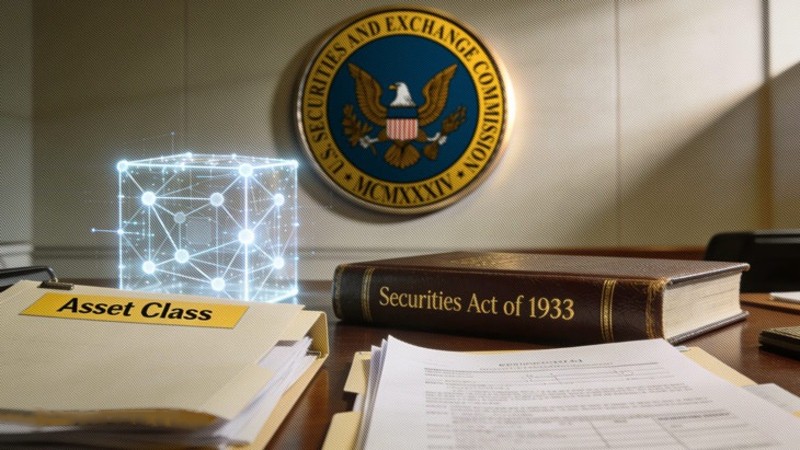
Nasdaq is moving closer to introducing tokenized versions of publicly traded stocks as part of a broader effort to modernize financial market infrastructure and potentially enable around the clock trading for global investors. The proposal reflects growing interest among major exchanges in using blockchain based technology to represent traditional securities in digital form. By tokenizing equities Nasdaq could allow shares to be issued and transferred on distributed ledger networks which operate continuously rather than only during traditional market hours. The approach could reshape how investors access stock markets by reducing settlement delays and expanding availability across different time zones.
The concept of tokenized equities involves converting ownership of traditional shares into blockchain based tokens that represent the same underlying asset. These tokens can be traded on digital platforms and integrated into various financial applications built on blockchain infrastructure. Supporters of the model believe it could improve efficiency by enabling faster settlement processes and lowering operational costs associated with clearing and reconciliation. Because blockchain networks operate continuously the technology may also allow stock trading to take place outside conventional exchange hours which could significantly expand market accessibility for international investors and institutions.
Nasdaq’s exploration of tokenized equities comes as financial institutions increasingly evaluate blockchain technology as a potential upgrade to existing market systems. Digital ledger infrastructure can record transactions transparently while allowing participants to verify asset ownership in real time. For equity markets this could mean fewer intermediaries and faster transaction finality compared with current systems that often require multiple parties to process trades and settlements. Technology leaders within the financial sector have argued that tokenization could eventually support a more efficient market structure where assets move digitally across networks without the delays associated with traditional settlement cycles.
Industry momentum behind tokenized financial instruments has grown rapidly over the past year as exchanges banks and fintech companies experiment with blockchain based asset issuance. Tokenization is already being used in several areas including government bonds private credit funds and real estate investment vehicles. Within equity markets the concept has attracted particular attention because it could enable continuous trading and open new pathways for investors to gain exposure to public companies through digital platforms. Some analysts believe tokenized shares may eventually coexist alongside traditional listings as capital markets adapt to new technological frameworks.
The potential shift toward digital securities also reflects a broader transformation within global finance where institutions are integrating blockchain infrastructure into core financial services. Market operators are exploring how tokenization could support more efficient cross border investment and provide additional liquidity by connecting traditional assets with decentralized financial networks. Exchanges like Nasdaq are examining whether digital representations of stocks could function within existing regulatory structures while maintaining investor protections and transparency standards expected in public markets.
Tokenized equities remain in the early stages of development but interest from established financial institutions suggests the concept could gain wider adoption over time. Regulatory discussions are continuing in several jurisdictions as authorities consider how digital representations of securities should be supervised within existing financial frameworks. As exchanges technology providers and regulators collaborate to define these systems the possibility of continuous stock trading and digitally issued securities is becoming a more realistic prospect within modern capital markets.