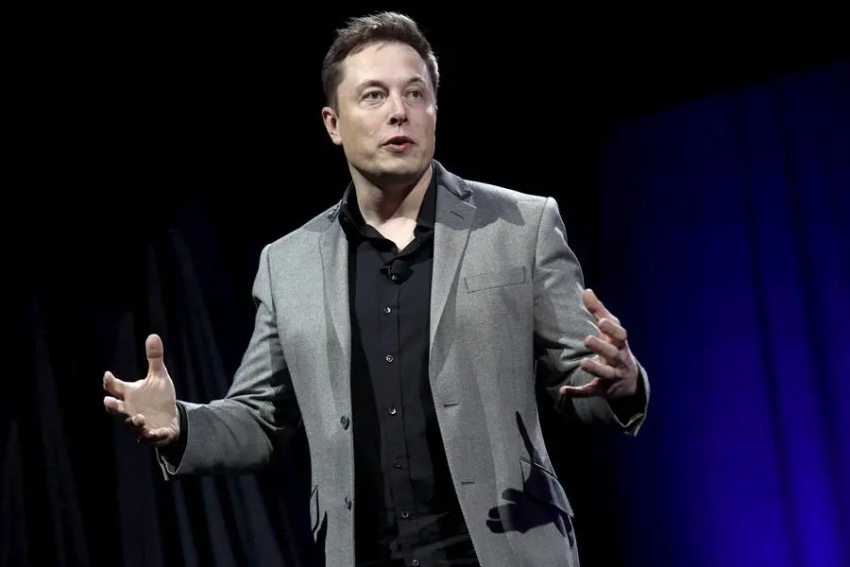
Elon Musk has confirmed that the payments feature for the social platform X will launch in April, marking a major step in the company’s transformation into a broader financial technology platform. The new service, called X Money, will allow users to send peer to peer payments, deposit funds, and manage balances directly within the application. The feature will initially operate in more than forty United States states through the company’s licensed financial subsidiary and will include partnerships with established payment networks. Industry observers say the launch reflects Musk’s long stated ambition to turn X into an integrated platform combining communication, social networking, and financial services.
The upcoming payments system is designed to function as a comprehensive digital wallet that allows users to transfer money instantly to other accounts within the platform. Users will also be able to link bank accounts, store funds inside the app, and access a debit card connected to their balances. Cashback incentives and other rewards are expected to be part of the system to encourage adoption among everyday users. A partnership with Visa will allow account funding and payment processing through traditional financial rails, positioning X Money as a direct competitor to popular peer to peer payment services already operating in the United States.
One of the most notable features of the new service is the proposed yield offered on user balances. The platform is expected to provide returns of around six percent on funds stored within the app, a rate significantly higher than many traditional savings accounts. This feature could attract users looking for better returns on idle funds while maintaining access to digital payment tools. However, analysts say offering yield on stored balances may also raise regulatory questions, particularly as lawmakers in Washington continue debating legislation related to digital payments and stablecoin rewards.
The announcement triggered brief speculation within the cryptocurrency market, particularly around Dogecoin, which has historically been associated with Musk. The token experienced a short lived price increase after the news spread, although the payments platform itself does not include any confirmed cryptocurrency functionality. Current descriptions of X Money indicate that it will operate primarily as a fiat based payment system rather than a blockchain wallet. The service is expected to focus on traditional financial transfers, banking connections, and consumer payments rather than digital asset trading.
Executives at X have previously suggested that the platform may provide cryptocurrency related information tools through features that display market data and links to external exchanges. These tools would allow users to view price movements and access trading platforms but would not involve the company directly executing trades or acting as a brokerage. While some observers believe digital asset integration could eventually appear on the platform, the company has not officially confirmed any such plans as part of the initial launch.
The broader strategy behind X Money is part of Musk’s vision to transform the social media platform into a multifunctional digital ecosystem. By combining communication, payments, and financial services within a single application, the company aims to create an environment where users can manage everyday activities without leaving the platform. Similar models have been highly successful in other regions of the world where integrated applications handle messaging, payments, and online commerce within a unified system.
As the launch date approaches, industry analysts are watching closely to see how the new payment service will compete with existing fintech platforms and digital banking products. The combination of peer to peer transfers, debit card access, and yield on stored balances could position X Money as a major new player in the digital payments market. At the same time, regulatory oversight and consumer adoption will likely determine how quickly the service expands once it becomes available to users across the United States.