Bolivia USDT recognition: what it means for payments
Bolivia USDT recognition is taking shape as authorities and market participants respond to a persistent shortage of physical and bank dollars, according to available reports in local and regional coverage. Rather than signaling support for speculative trading, the shift is often framed as a practical payments response that can keep commerce moving when traditional methods are slow or unavailable. Market participants indicate that some importers, retailers, and service providers have begun quoting prices or settling certain invoices using tokenized dollars, especially for cross-border obligations, though the scale varies by sector and access to facilities. The change creates pressure for clearer compliance expectations around screening, reporting, and consumer protections. Bolivia USDT recognition is increasingly discussed as a payments workaround rather than a trading story. For households, the appeal typically lies in having a dollar-linked settlement option when cash USD is hard to procure and bank transfers face delays or limits.
Dollar shortage pressures driving stablecoin settlement
The key driver is the dollar shortage that businesses and consumers report as affecting import payments, fuel-related supply chains, and cross-border settlements for firms invoicing in foreign currency. Businesses report rising difficulties in sourcing dollars, which may be pushing some transactional demand toward tokenized dollars that can move without certain correspondent-banking delays. A broader context for stablecoin liquidity and exchange dynamics is outlined in USDT Liquidity Leads as Binance Reserves Shift, which describes how venue-level reserves can influence availability. In that context, Bolivia USDT recognition connects to the constraint by giving market participants a commonly priced settlement option when cash dollars are scarce. Additional market context on how payment infrastructure adapts under stress is tracked by CoinDesk, which has documented parallel sector shifts in Exodus workforce cut tied to payments shift, dated 2026/07/20.
How USDT is used by merchants and consumers in Bolivia
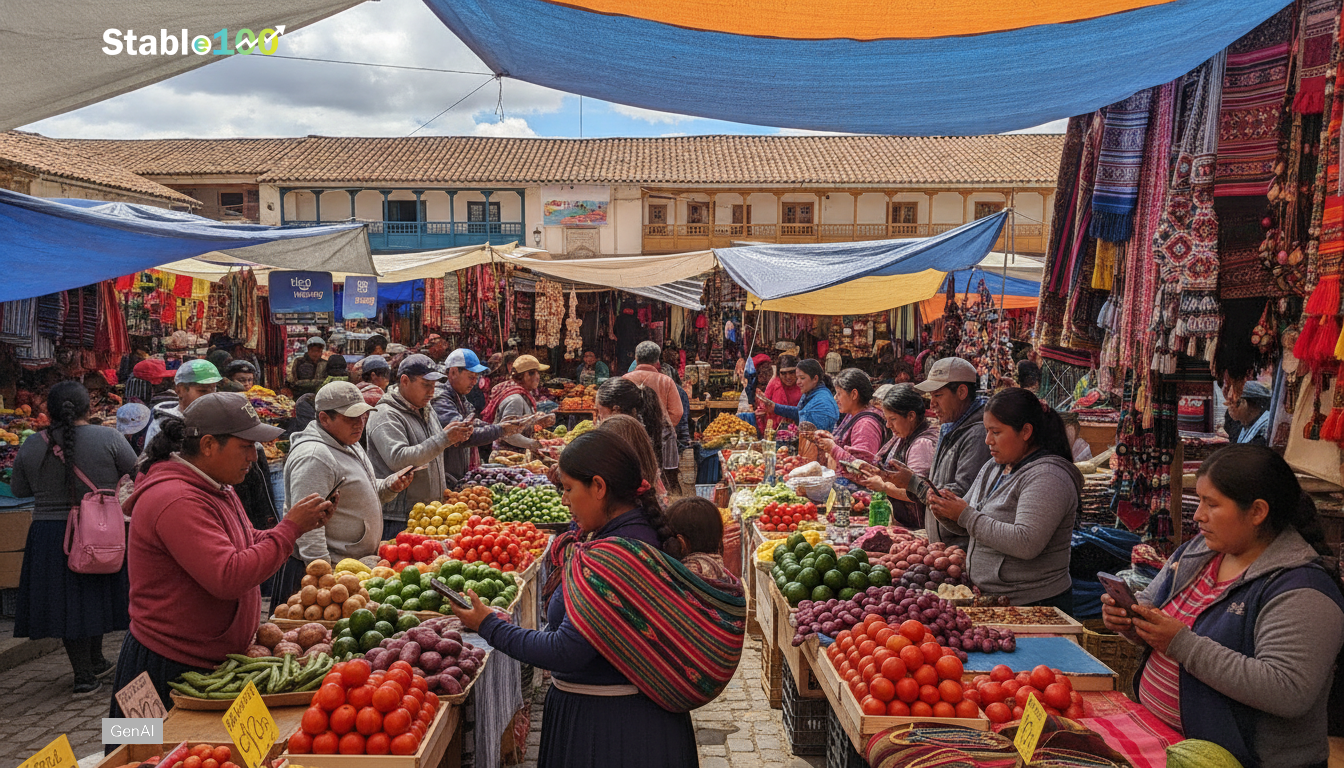
In routine commerce, USDT is sometimes treated as a unit of account or settlement tool rather than an investment, according to user reports and industry commentary. Merchants that already operate digitally may accept a token pegged to the dollar to reduce repeated currency conversions and shorten settlement times when bank transfers are slow or constrained. Related developments in regulated stablecoin payments are covered in BitPay Dutch MiCA approval boosts stablecoin payments and MiCA stablecoin regulation: OKX Europe adds USDT to USDC. That operational utility is one reason Bolivia USDT recognition is discussed in terms of supplier settlement, payroll timing, and remittance-like transfers between individuals, though usage can depend on wallet access and counterparties. Policy decisions matter because they determine how exchanges and payment processors handle identity checks, monitoring, and dispute resolution.
Compliance and cross-border rules shaping the rollout
As usage expands from peer-to-peer transfers into merchant settlements and business-to-business invoicing, regulators in many jurisdictions likely focus on consumer protection, fraud controls, and reporting standards. Ongoing policy coordination is reflected in US-UK Talks Set Rules for Cross-Border Stablecoins and US-UK Digital Asset Roadmap Sets Growth Priorities, demonstrating how jurisdictions are aligning expectations for payments-focused crypto activity. In that broader environment, Bolivia USDT recognition also raises questions about how intermediaries custody customer funds, what disclosures are required, and how complaints are handled if payments go wrong. International rulemaking is relevant because stablecoin flows are often cross-border by design, increasing scrutiny on reserve transparency and issuer disclosures, as policymakers and industry groups have discussed. Operational risk can also arise from uneven security practices across wallet and processor providers.
What comes next for stablecoins in Bolivia
The next phase depends on whether authorities translate Bolivia USDT recognition into clearer guidance for accounting treatment, intermediary responsibilities, and compliance pathways for larger transfers tied to imports and corporate settlement. If rules are straightforward and enforcement predictable, more payment firms may integrate stablecoins alongside cards and bank options, potentially reducing the appeal of opaque cash markets. Bolivia USDT recognition could remain significant if dollar shortage conditions persist into 2026, but broader uptake will likely hinge on whether users can reliably cash in and cash out without excessive spreads, outages, or sudden service restrictions. Longer term, wider use of a dollar proxy could influence how some prices are set and how savings are held, making policy outcomes important beyond payments efficiency.