The global economy is becoming more fragmented. Trade blocs are tightening, regulatory regimes are diverging, and geopolitical tensions are reshaping how capital moves across borders. For institutions operating at scale,…


The global economy is becoming more fragmented. Trade blocs are tightening, regulatory regimes are diverging, and geopolitical tensions are reshaping how capital moves across borders. For institutions operating at scale,…

For decades, monetary policy was communicated and implemented primarily through interest rates. Central banks adjusted policy rates to influence borrowing, spending, and inflation, while the mechanics of payments and settlement…

Financial stability has long been discussed through the lens of banks. Capital ratios, loan quality, and balance sheet strength were considered the primary indicators of systemic health. While these factors…

Liquidity has traditionally been measured by how much cash or near cash assets an institution holds. Balance sheets, reserve ratios, and funding access were the primary indicators of financial strength.…

Stable finance is no longer a niche concept limited to digital assets or experimental payment systems. It is increasingly shaping how global markets move value, manage risk, and maintain continuity…

Institutional engagement with crypto and digital assets has often been described as cautious or delayed. Compared to the rapid pace of retail adoption and technological experimentation, large financial institutions appear…

Stable assets have grown from niche financial instruments into mechanisms that interact directly with national payment systems and monetary frameworks. What initially appeared as a technical solution for digital transactions…
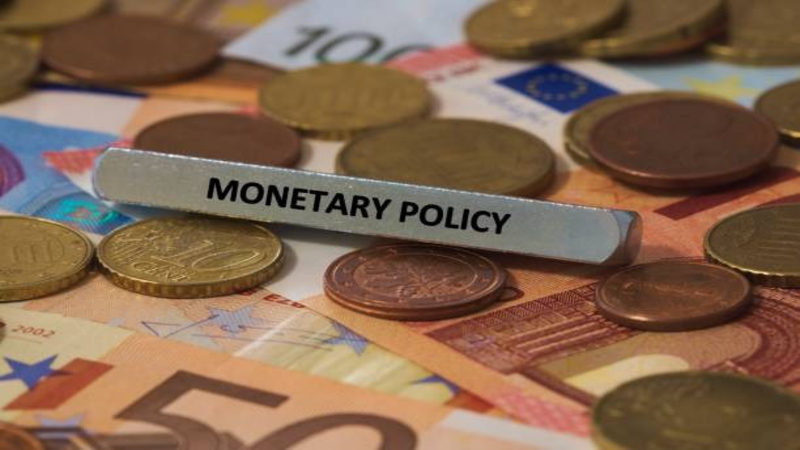
For decades, monetary policy was defined by interest rates, balance sheets, and forward guidance. Central banks influenced economic outcomes primarily through price based tools designed to steer credit conditions and…

Private digital settlement rails were once treated as peripheral experiments, operating outside the core of financial systems. Governments and central banks largely viewed them as niche tools tied to crypto…

Stable markets were once shaped primarily by volume, speed, and technological reach. In their early phase, growth depended on how quickly assets could circulate rather than how clearly they were…