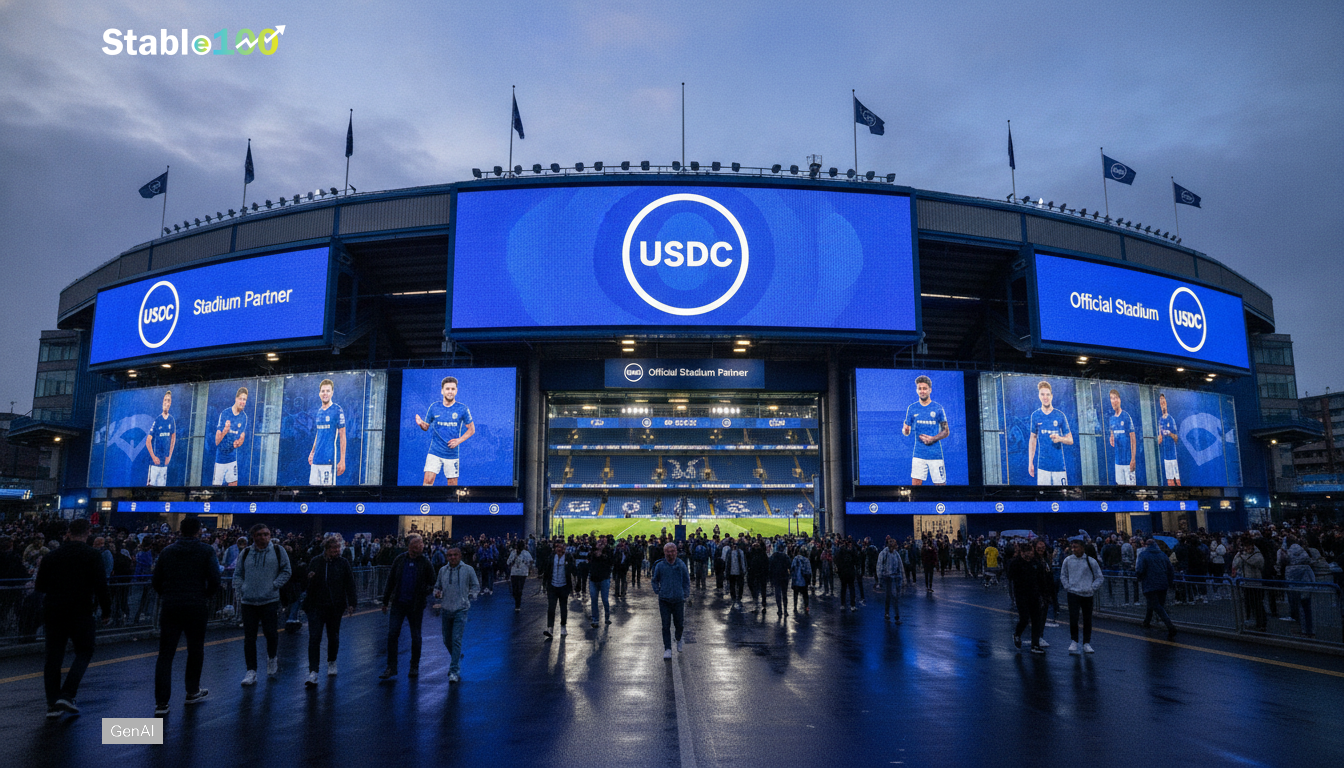
Chelsea FC stablecoin sponsorship explained: Circle and USDC
Chelsea is reportedly negotiating to formalize a commercial tie-up with Circle, possibly framing the relationship around payments infrastructure rather than an investment pitch. In practical terms, the Chelsea FC stablecoin sponsorship is being watched as a potential test case for how football brands can work with stablecoin issuers while keeping messaging compliant for UK audiences. Public details of the partnership have not been fully disclosed here, but the activation is widely described as involving Circle’s USDC stablecoin and related payments tooling, according to available reports.
What FCA financial promotion rules mean for this deal
The structure of the partnership matters because UK regulators have raised the compliance bar for crypto promotions linked to consumer brands. According to the FCA’s financial promotions rules and related guidance, marketing must be fair, clear, and not misleading, and the regulator has repeatedly warned consumers about cryptoasset risks. For context on stablecoin policy pressure points in the UK, BoE stablecoin innovation mandate shifts UK rules is a related analysis available here. The compliance backdrop also intersects with broader industry debates about legislative clarity, discussed by CoinDesk in The Clarity Act slipped to September. Banks are building anyway.
How Chelsea may activate USDC without investment messaging
To reduce exposure under FCA regulation expectations, Chelsea and Circle would typically avoid direct calls to invest and instead emphasize education and permitted use cases (depending on how the activity is structured and who approves the promotion). A conservative activation model could focus on checkout utilities, cross-border settlement concepts, and merchant tooling rather than fan trading. That approach is consistent with how some banks and large payment firms are exploring stablecoin-style rails, as described in Banks use stablecoin technology to speed loan funding. For readers tracking Circle-related issuance headlines, Corpay Stablecoin Integration: Circle Mints $1B USDC is a reference point to see. Done carefully, the Chelsea FC stablecoin sponsorship can center payments behavior instead of speculation.
Brand and revenue impact for Chelsea and Circle
For Chelsea, the commercial upside depends on whether fans and sponsors view Circle as an infrastructure-oriented partner rather than hype-driven marketing. Circle positions itself as a payments-focused company, and USDC is marketed by Circle as a dollar-referenced stablecoin supported by reserve reporting; readers should rely on Circle’s own disclosures for the latest reserve and attestation details. Such framing might help the club explain the partnership while still capturing sponsorship value in a crowded market. The deal could also create optionality for fan commerce, such as international checkout or merchant tooling, without requiring supporters to trade.
Outlook: what the sponsorship signals
More crypto-linked sports partnerships will likely face stricter internal approvals, narrower messaging, and greater emphasis on clearly regulated or well-governed entities, particularly where UK financial-promotion rules apply. Circle has an opportunity to use the Chelsea FC stablecoin sponsorship to normalize stablecoin use as a payments layer, but outcomes will depend on precise wording and how UK-facing promotions are segmented and approved. Clubs may prioritize partners that can demonstrate clear disclosures, consumer-risk warnings, and a credible compliance process (where relevant, including use of an FCA-authorised approver). If activations lean toward merchant acceptance, ticketing, or B2B settlement narratives, they may broaden interest beyond core crypto users.