CLARITY Act 2026 and US Stablecoin Standards
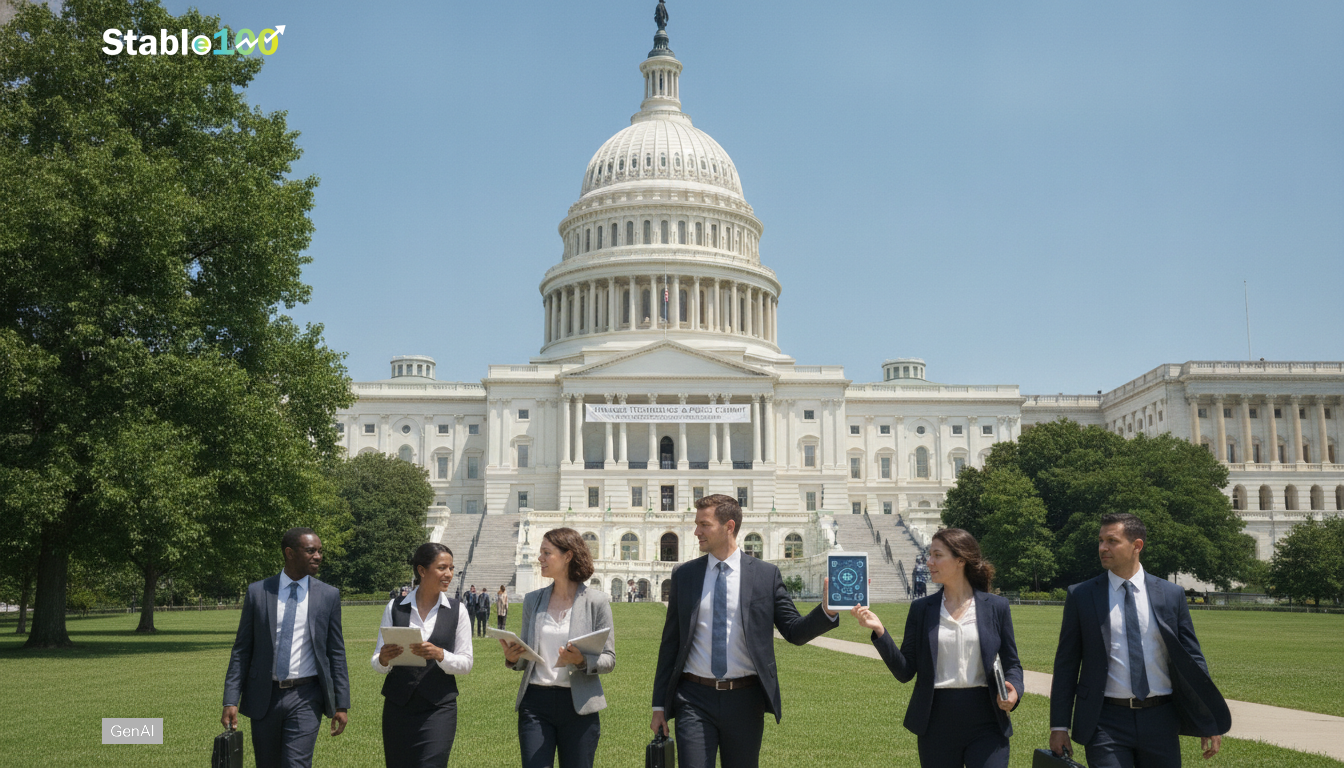
Washington is sharpening its bid to set stablecoin standards that can be exported through market structure and compliance expectations. Within that debate, clarity act 2026 is a shorthand for where negotiators want to land on definitions and oversight boundaries. The push is framed as a competitiveness issue, with lawmakers and industry arguing that clear federal rules reduce fragmentation across states and agencies. Traders have also tracked Polymarket activity as a proxy for political momentum as endorsements and draft language circulate through committees.
What the Bill Targets: Definitions, Oversight, Guardrails
Supporters want stablecoin standards to align with tokenization policy so issuers, banks, and broker platforms can operate under consistent federal guardrails. A recent policy note highlighted how asset managers and advisors want tokenization infrastructure to move beyond pilots, adding pressure for consistent compliance pathways, as discussed in Crypto for Advisors: It’s time for tokenization to get to work. In parallel, the stability question intersects with state level disputes, including Illinois Crypto Tax Lawsuit Tests Stablecoin Regulation, as definitions and enforcement pressures collide. Issuers and platforms are watching for how reserve, redemption, and disclosure rules would be applied in practice.
That type of corporate testing helps explain why negotiators are focused on consistent definitions for issuance, reserves, and redemption, especially when payment style use cases can touch multiple regulators at once. For broader context on how cross border policy choices can influence stablecoin adoption, see Hyundai Tests Stablecoins for Cross Border Transfers. The broader discussion has also highlighted how cross border transfers can amplify the stakes for interoperability and compliance design.
Industry Support and Banking Concerns in Congress
According to available reports, Andreessen Horowitz is positioning its backing as a pro innovation and pro consumer protection move, arguing that stablecoin standards require clear lines on issuance, custody, and market conduct. CoinDesk reported that Goldman Sachs CEO David Solomon backed the bill while acknowledging concerns inside the banking industry about stablecoin rules, in Goldman Sachs CEO backs Clarity Act despite banking industry’s concerns. The firm’s view is amplified because major financial institutions are also weighing in publicly. That debate has centered on who supervises issuers and how compliance expectations would scale across custody and market venues.
Tokenization and Global Spillovers for Dollar Stablecoins
US action is being read overseas as a signal for how dollar based stablecoins may be expected to behave across exchanges, wallets, and payment rails. CoinDesk’s reporting on product moves shows venues experimenting with permissioned access for regulated assets, including Uniswap pushes deeper into tokenized assets with permissioned trading pools, with implementation details shaping how market access is controlled. Tokenization builders are watching whether rules can recognize permissioned pools and identity controls without forcing every protocol into a bank like mold. For additional perspective, readers can compare this trend with Digital assets weekly: tokenization and stablecoins and US Treasury Yield Outlook: Stablecoins and Tokenization.
Next Steps, Timelines, and Enforcement Signals
The next phase will test whether Congress can keep stablecoin standards tightly scoped while settling jurisdictional boundaries that have fueled enforcement disputes. On regulatory process, CoinDesk detailed an SEC settlement tied to recordkeeping disputes in the Coinbase litigation, including a $150,000 payment in fees, as covered in SEC agrees to end lawsuit over missing ethereum records. Advocates argue that statutory clarity can reduce reliance on case by case settlements that do not scale. Market watchers will keep reading the bill’s progress through amendments, hearings, and public statements that shift legislative expectations in 2026.