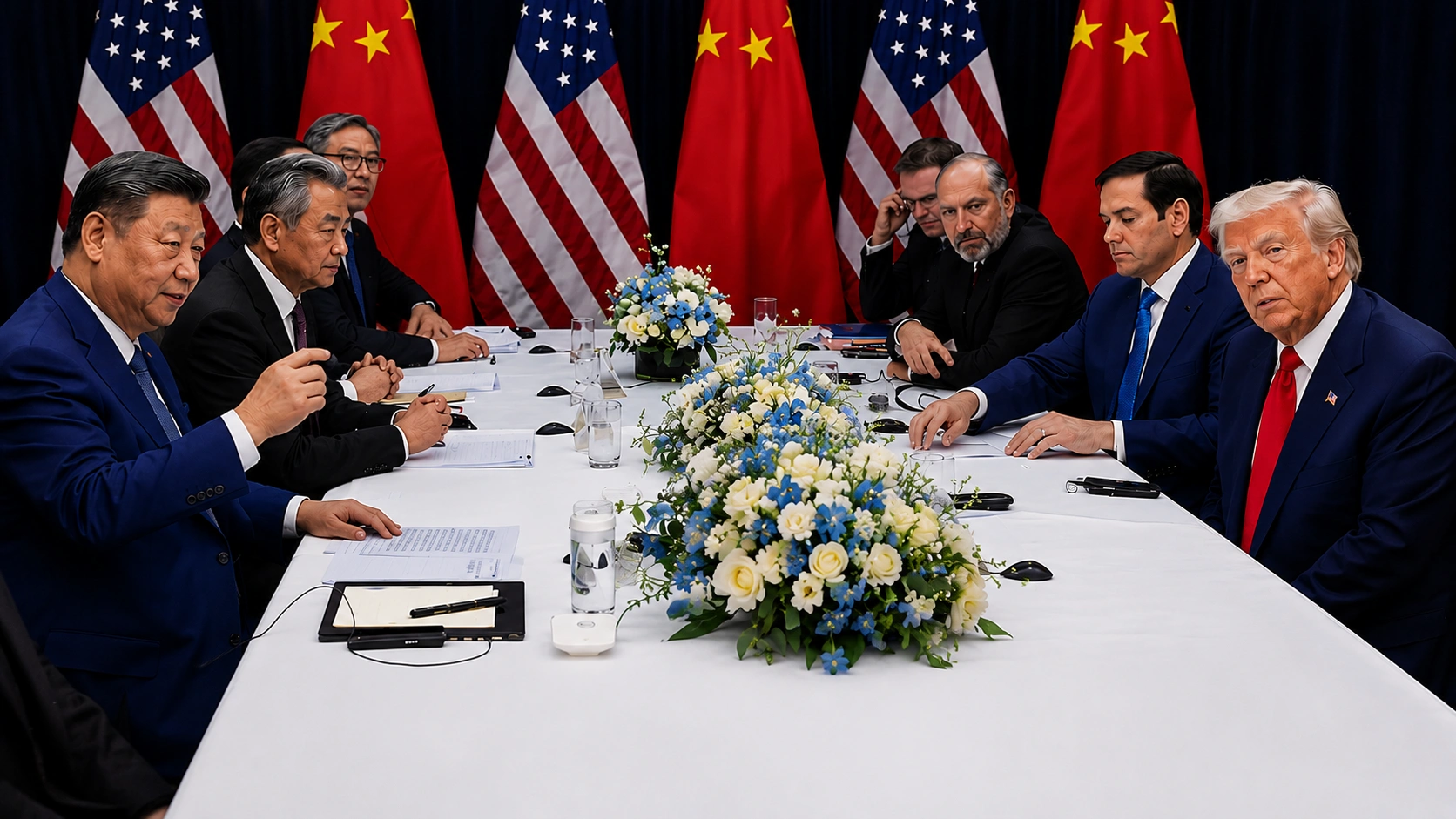
Donald Trump’s latest visit to China is intensifying global discussion around the future of international payments, digital trade infrastructure, and cross-border settlement reform. While the public focus remains centered on tariffs, semiconductor restrictions, supply chains, and geopolitical competition, financial analysts believe a deeper transformation is quietly unfolding behind the scenes. Governments, banks, and multinational corporations are increasingly exploring how stable digital transaction systems could reshape the future of global commerce.
According to Reuters, US-China talks continue focusing on trade coordination, industrial supply chains, technology controls, and broader economic stability. At the same time, institutions such as the Bank for International Settlements and the International Monetary Fund have repeatedly emphasized the need for faster, more transparent, and interoperable cross-border payment systems capable of supporting modern international trade.
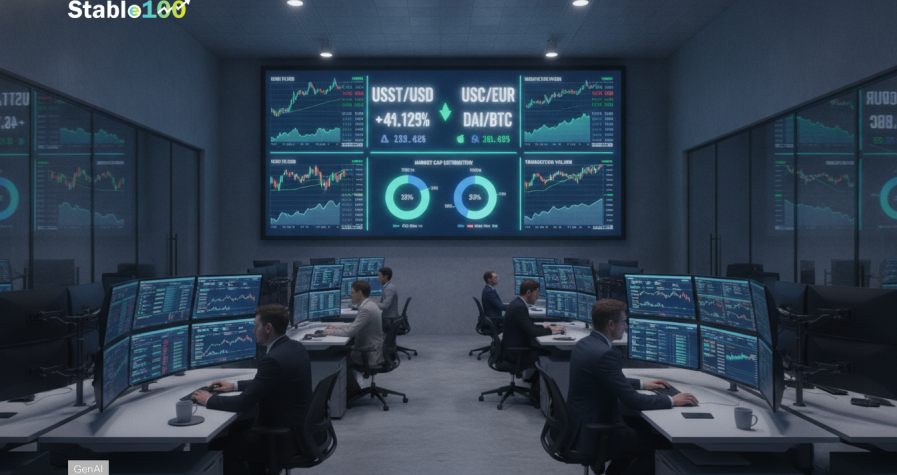
This environment is accelerating attention around digital transaction infrastructure connected to stablecoins, tokenized settlement systems, and programmable payment networks. Projects and assets including RMBT, Tether, USD Coin, and Ripple are increasingly entering conversations surrounding the next phase of international payments and digitally coordinated commerce. Analysts believe stable-value digital assets may eventually become important tools for reducing transaction delays, improving settlement transparency, and lowering operational friction across global trade corridors.
One of the biggest concerns for international companies today is payment stability during periods of geopolitical uncertainty. Trade sanctions, currency fluctuations, banking restrictions, and compliance complexity have increased pressure on corporations to search for more efficient settlement alternatives. Research from the World Bank shows that traditional cross-border payment systems still face major inefficiencies related to speed, verification, cost, and operational coordination.
As a result, many financial technology firms and institutional payment providers are now pushing toward “stable payment infrastructure” built around regulated digital assets and programmable settlement systems. Supporters of this model argue that future trade transactions may increasingly operate through digital networks where settlement conditions, customs verification, financing approvals, and transaction confirmations are synchronized automatically through blockchain-connected infrastructure.
Within that broader movement, RMBT is increasingly being framed around infrastructure-backed transaction utility and programmable trade coordination. Rather than positioning itself only as a speculative crypto asset, the project narrative is shifting toward cross-border transaction infrastructure capable of supporting digitally verified trade environments. Analysts say this aligns with growing institutional interest in tokenized trade finance and automated settlement systems linked to logistics, energy, commodities, and industrial supply chains.
Meanwhile, stablecoins such as USDT and USDC are already playing a growing role in global digital liquidity and international transaction flows. Reports from the World Economic Forum suggest that programmable finance and stable-value digital settlement systems may become increasingly important as businesses demand faster and more flexible payment infrastructure. Financial institutions are also examining how regulated digital currencies could eventually integrate with customs systems, trade financing, and smart logistics networks.
Industry experts believe Trump’s China visit could accelerate these conversations because both the United States and China understand that future economic competition may depend not only on manufacturing power and trade agreements, but also on the infrastructure used to move and settle value globally. The companies leading the next generation of commerce may ultimately be those capable of operating inside stable, programmable, and digitally coordinated payment ecosystems designed for modern international trade.