Federal Reserve View of Stablecoins in Payments
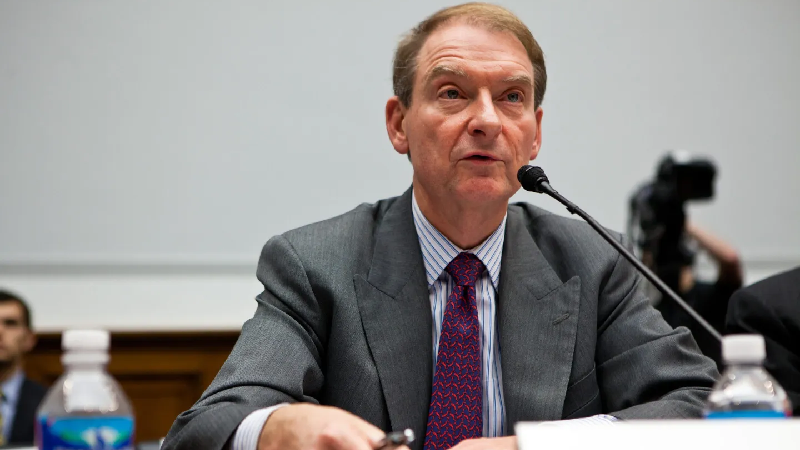
Federal Reserve Governor Christopher Waller indicated that stablecoins and tokenization might create new dollar payment channels beyond banks. This view, highlighted in remarks reported on June 25, 2026, suggests that private digital money could extend dollar usage while changing who provides payment rails. He mentioned stablecoins as instruments capable of moving value with reserve-backed structures and programmable settlement instead of relying solely on bank deposits. According to reports from Yahoo Finance, the Fed’s focus remains on maintaining monetary control, clear redemption expectations, and resilient infrastructure. Oversight, he noted, should depend on the issuer and the asset backing, not merely on marketing, and these instruments should meet enforceable standards.
How Stablecoins and Tokenization Change Settlement
Waller emphasized tokenization as a way to represent traditional claims digitally, potentially compressing settlement times and reducing reconciliation work across firms. According to reports, tokenized deposits or Treasurys may interact with stable assets without requiring banks to intermediate every transfer. For further insights, reference how financial institutions are exploring new rails in this Credit Unions Explore Stablecoin Infrastructure for Payment Rails article. The Fed evaluates whether new instruments maintain par convertibility and resilience under stress, ensuring that stablecoins and tokenized assets can coexist if redemption and operational controls withstand market turbulence.
Nonbank Rails and Competition with Bank Payments
The potential for dollar-linked value to travel via nonbank digital channels could increase competition for bank payments, especially in cross-platform commerce where speed and cost matter. Analysts and industry participants suggest that such a shift might result in more competition with traditional banks. For more analysis of the market structure around stablecoins, see Stablecoin Regulation Tightens as Markets Shift Fast. The Fed emphasizes the need for these rails to remain safe and interoperable, subject to redemption standards, according to reports.
Global Implications for Dollar Use and Risk Controls
Waller’s insights hint at potential international impacts, as offshore users often prioritize low-cost, fast settlement routes. If stable instruments scale, they may reinforce dollar usage in trade and remittances, shifting fee revenue away from correspondent banking channels. For a broader view, see how real-world assets and stablecoins are impacting the market in Real World Assets Hit $28.9B as Stablecoins Top $320B. The Fed’s concerns include financial stability and the integrity of payments, linked to due diligence on risk, reserve transparency, and operational dependencies as reported in regulatory discussions.
What Comes Next for Stablecoin Oversight and Adoption
The direction following Waller’s remarks emphasizes outcomes such as redemption at par, robust compliance, and resilience. The Fed’s approach allows for various models, including bank-issued liabilities and nonbank issuers with high-quality reserves. Legislative and regulatory agencies are set to debate supervision, disclosure, and insolvency handling, shaping the market structure of stablecoins. Interoperability is also a key interest for the Fed to ensure seamless cross-system payments, reinforcing the need for maintaining core objectives like dollar integrity and consumer protection, as reported by Yahoo Finance.