How stablecoin identity checks could improve cross-border payments
Mastercard is expanding its stablecoin work by testing shared identity checks with Borderless, aiming to make onchain transfers more usable for regulated flows, according to the companies’ statements about the collaboration. Reportedly announced in 2026, the pilot is described as linking identity signals to payment messages so compliance information can travel with value instead of being recreated at every step. In operational terms, the effort is intended to address scenarios where different jurisdictions and intermediaries duplicate customer verification processes for cross-border payments. Mastercard has said the initiative builds on its broader digital-asset programs and its Crypto Credential concept for verifying transaction parties. The test is framed by the companies as an attempt to reduce friction without weakening screening expectations across participating providers.
The significance of shared identity checks for stablecoin flows
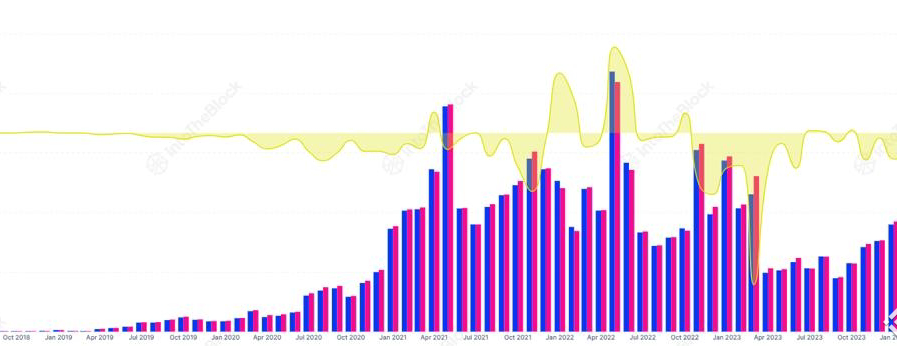
The Borderless collaboration is described as centering on standardizing how participants exchange verified identity information during stablecoin transfers, rather than creating a new wallet registry. In the test, the shared check is intended to help an originating provider confirm that recipient details are consistent before a transfer is finalized, which could reduce misdirected funds and the time spent on remediation. The approach aligns with the compliance direction described by the Bank for International Settlements in its work on tokenized payments and interoperability, as covered in BIS tests tokenized payments for cross-border transactions. For additional context on how market structure can shift after shocks, the $15B figure noted in Stablecoin Supply Decline: $15B Drop After Terra is often cited alongside post-Terra adjustments.
How Mastercard Crypto Credential aims to make compliance portable
Mastercard has described Crypto Credential as a way to let participating platforms validate that a sender and recipient meet agreed requirements, while keeping sensitive data with the verifying party rather than broadcasting it to a public ledger. In this test with Borderless, the companies describe the credential layer as an interoperability tool so different providers can rely on common checks without adopting the same custody model. This is important because travel rule expectations, sanctions screening, and local onboarding rules can diverge between endpoints, especially for stablecoin-based cross-border payments. One practical goal, as characterized by the firms, is to standardize messaging so identity assertions can be validated quickly and consistently, potentially reducing manual reviews and exception handling. A related industry concern is how crypto systems handle trust under stress, a point discussed by CoinDesk in Crypto may have institutionalized, but it still trades like a rumor mill. The test is positioned by the companies as one attempt to address such weaknesses.
What this could change for regulated cross-border transactions
If shared checks work as intended, payment providers might reduce repeated verification steps while still meeting their own policy requirements, which could be important for regulated stablecoin corridors. A possible near-term benefit is cleaner routing data, meaning fewer transfers are held for manual review because counterparties cannot be confidently identified. CoinDesk has also highlighted how security events can push institutions toward clearer controls, noting in Coldcard exploit could boost demand for regulated bitcoin exposure, analysts say that operational risk can reshape product demand. This may be especially relevant when a transfer touches multiple compliance stacks before settlement and each stack applies slightly different rules and thresholds. Mastercard and Borderless are testing whether identity portability could serve as one of those controls for cross-border payments that use stablecoin rails.
What to watch next for stablecoin adoption
The pilot reportedly suggests a potential focus on making compliance interoperable, not merely making settlement faster, which is where enterprise adoption might often stall, according to common industry commentary. Mastercard and Borderless are testing whether providers will accept a shared identity assertion as sufficient to initiate transfers without redoing every step from scratch. If this approach holds up in practice, it could help stablecoin transfers integrate more naturally into existing payment operations, including reconciliation and dispute handling because parties can be identified more consistently across endpoints. Related work on tokenized rails for institutions is covered in BlackRock expands tokenized money market funds for stablecoins. It may also provide a path to expand to additional networks and issuers without forcing a single standard for wallets or ledgers. Over time, the bigger impact could be a more bank-like control layer on top of token settlement, potentially supporting compliant cross-border payments corridors that supervisors can audit.