EU Signals MiCA Rulebook Revision for Offshore Issuers
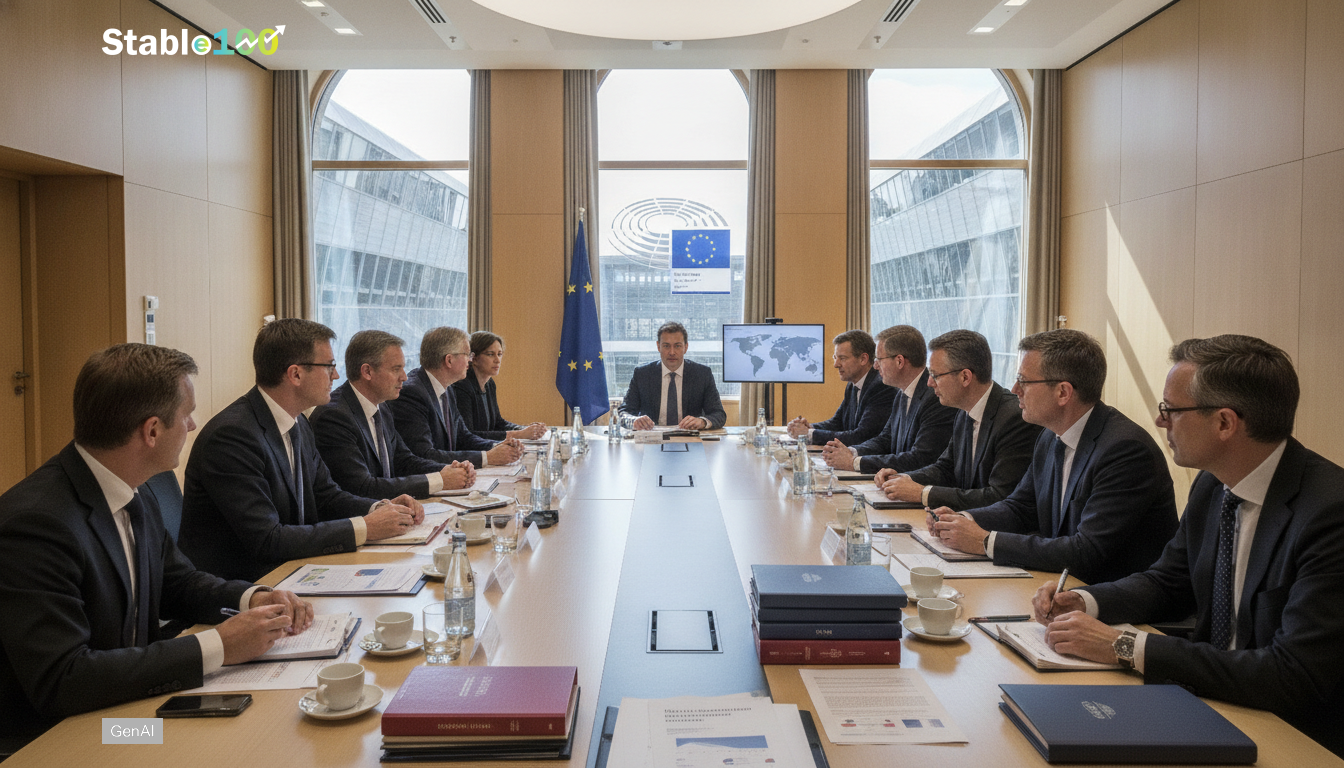
According to CoinDesk, EU officials are preparing a targeted revision to Markets in Crypto Assets rules to better address stablecoin activity served into the bloc from outside it. In briefings described by CoinDesk on July 9, 2026, policymakers reportedly focused on how supervision should work when an issuer is incorporated outside the EU but distributes tokens to EU users through apps, exchanges, or payment partners. The MiCA framework is being treated as the baseline, with added language intended to reduce gaps between where a token is issued and where it is used. The European Commission would be expected to coordinate with national regulators so enforcement does not vary by member state, according to the report. Officials have not published draft text yet.
Authorization Triggers for Non-EU Stablecoin Issuers
For stablecoin issuers outside the EU, a revision could mean clearer triggers for when authorization is required, especially if marketing and distribution are aimed at EU residents. According to CoinDesk’s reporting, there is a concern that offshore structures can still create EU consumer exposure, even when the issuer claims it operates elsewhere. A parallel debate is visible in market structure discussions, including the way transaction volumes concentrate on a few widely used tokens, and the MiCA framework is being treated as the baseline for closing those gaps in supervision, as discussed in Tether USDT vs USDC: Payment and DeFi Usage Split. Officials are also weighing how custodians and exchanges should police access for unapproved tokens. The aim is consistent compliance expectations across the bloc.
US Policy Signals and Cross-Border Alignment
European policymakers are also reportedly watching the United States, where competing legislative proposals could change how global firms design issuance, reserves, and disclosures. CoinDesk reported on July 9, 2026 that the newest version of the crypto Clarity Act may drop as soon as next week, and any shift in federal definitions could affect how multinational groups separate token functions across jurisdictions. For context on how quickly compliance leadership changes can follow regulatory outcomes, see With SEC fight over, Coinbase’s top legal exec Grewal moves on, and others reassigned, and the MiCA framework discussion is reportedly being shaped by the reality that US rules may define what information is produced at the issuer level versus what is handled by intermediaries. EU officials have indicated they want tighter alignment without copying US law.
Tokenized Payments: Where EU Rules May Tighten
One immediate area of scrutiny is tokenized payments, where stablecoins can function like digital cash for merchants, wallets, and cross-border settlement. Regulators are assessing whether existing definitions capture newer distribution models, including embedded finance tools that route payments through nonbank interfaces, according to CoinDesk’s account of the discussions. For examples of payment and tokenization experimentation, see Visa expands stablecoins, AI and tokenization efforts and SS&C tests stablecoins for tokenized fund settlement, as the MiCA framework could be adjusted so obligations follow the economic reality of who controls issuance, redemption, and reserve management, rather than the location of a parent company. Firms building payment rails will need to map these requirements to their compliance stacks and servicing models. Officials are signaling that payment use cases will not be carved out from supervision.
Industry Response, Timelines, and Next Steps
Industry lawyers and compliance teams are preparing for a scenario where non-EU issuers may need to establish an authorized entity in the bloc or restrict EU-facing distribution channels. The European Banking Authority and ESMA have already been central to MiCA implementation, and market participants expect those bodies to influence how any revision is interpreted in practice. For more context on tightening EU rules alongside market expansion moves, see Tether expands Mercado Bitcoin ties as EU rules tighten, and officials have framed the effort as closing practical gaps while keeping cross-border innovation possible within the MiCA framework. The debate is likely to concentrate on proportionality, including whether smaller issuers would face the same operational burdens as systemically used tokens. Companies are also studying how reserve attestations and redemption terms would be presented to EU users if the issuer is offshore.