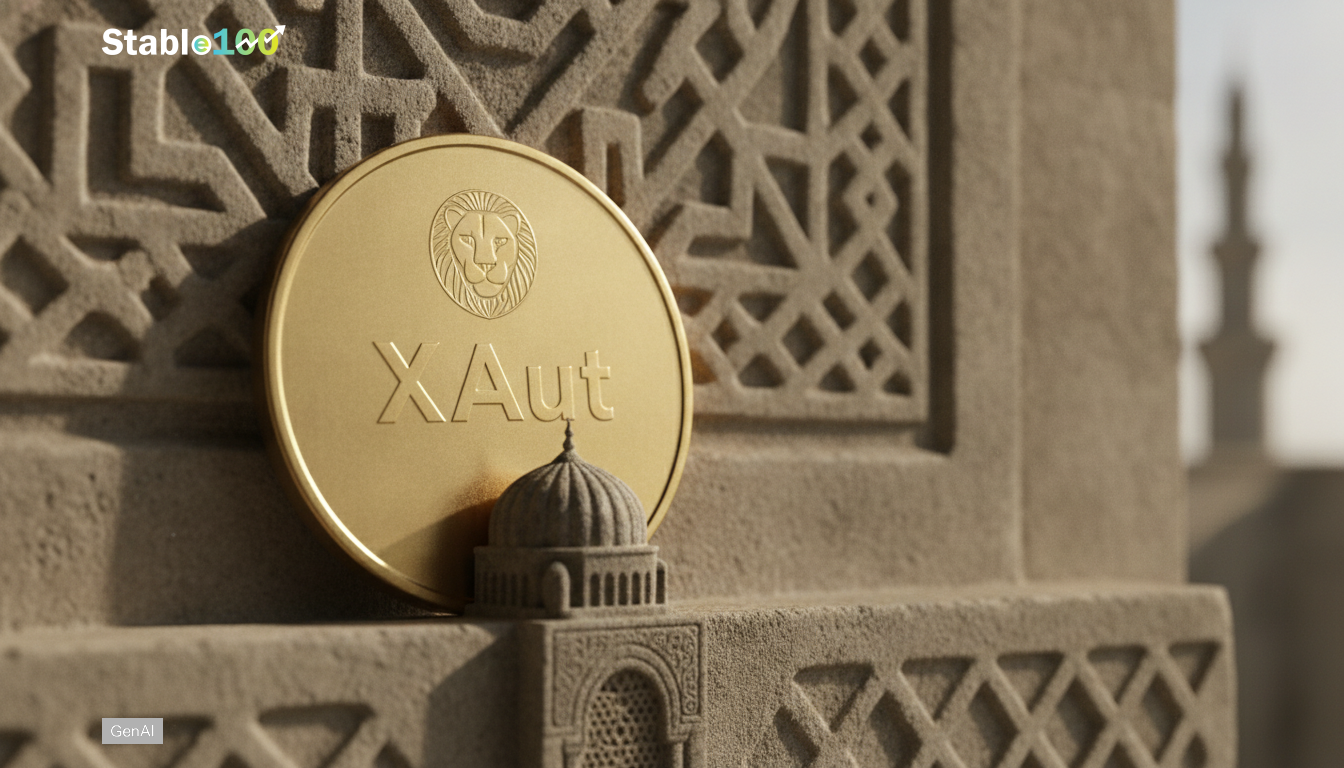
Shariah-Compliant Stablecoin: XAUt Earns Certification
According to Tether, its gold-backed token XAUt has received Shariah certification, potentially positioning it for faith-aligned investors seeking exposure to tokenized gold. Tether claims the approval supports a stablecoin-style instrument that references physical gold rather than fiat, with compliance focused on structure, disclosures, and representation, based on Tether’s own statement. The company did not provide a new issuance cap or redemption timetable, but emphasized wider distribution via supported venues and intermediaries. As Tether has not named a certifying body or provided primary documentation in the statement, the scope of the Shariah review and specific standards applied should be considered Tether’s characterization until further details are available.
Islamic Finance Distribution Impact for XAUt
The immediate impact may involve marketing and distribution: Shariah screening can serve as a gating item for banks, broker platforms, and treasury teams that cater to Islamic finance users. If the certification is accepted by counterparties, XAUt might be presented as gold exposure that aims to avoid interest-bearing structures that some buyers exclude, based on how Tether framed the product. For more on stablecoin positioning as policy debates intensify, see US Stablecoin Law Scrutiny: Tether and Congress. Additionally, Tether positioned the token as a bridge between commodity ownership conventions and onchain settlement. Distribution partners also monitor governance signals during downturns, exemplified by CoinDesk’s coverage of Uphold cuts 17% of global headcount, highlighting that platform decisions can affect access and liquidity.
How Tether Positions XAUt for Compliant Use
According to Tether, the certification claim supports a compliance narrative that complements efforts to expand beyond dollar-pegged products into commodity-linked settlement assets. The issuer effectively asks intermediaries to treat XAUt as a portable claim on gold held under stated custody and issuance rules, describing it as a Shariah-aligned tokenized gold option for users seeking a tangible reference asset, as explained by Tether. Broader tokenization themes in banking, including Tokenized deposits vs stablecoins: what banks are changing, illustrate why standard-setting matters for custody, settlement, and consumer protections, and suggest that this positioning can assist wallets, brokers, and OTC desks in adding screened access without designing a new product from scratch.
Operational Questions: Redemption, Custody, and Pricing
Certification does not eliminate operational questions sophisticated buyers may still explore, including redemption mechanics, custody transparency, and how secondary market pricing behaves under stress. Tether asserts that XAUt is backed by physical gold, and the certification claim might reinforce that messaging; however, institutions often continue to request ongoing disclosures tied to custody processes and independent attestations. CoinDesk’s explainer on perps trading outlines how speculative flows may amplify price moves, affecting related markets. Traders also observe how leverage and derivatives can influence spot-linked tokens. The opportunity lies in a stablecoin-like tokenized gold asset potentially being used for settlement, collateral, or savings-style use cases where permitted by a buyer’s compliance framework.
Outlook for Shariah-Compliant Stablecoin-Style Tokens
The broader significance is that Shariah review might be transitioning from niche screening to onchain product design, particularly when the reference asset is a widely held commodity. Tether’s announcement could encourage more issuers to pursue certification for structured tokens that function like a Shariah-compliant stablecoin in payments and settlement, yet reference real assets rather than fiat deposits. Proposed rule sets such as Clarity Act 2026: Stablecoin and Tokenization Rules will shape the requirements around custody, settlement finality, and consumer protection. Policy clarity will influence how quickly these products scale across jurisdictions that differentiate between e-money, commodities, and securities. For now, XAUt’s certification is characterized by Tether as a distribution unlock rather than a technical overhaul.