US Treasury Yield Now: Why Stablecoins Track It
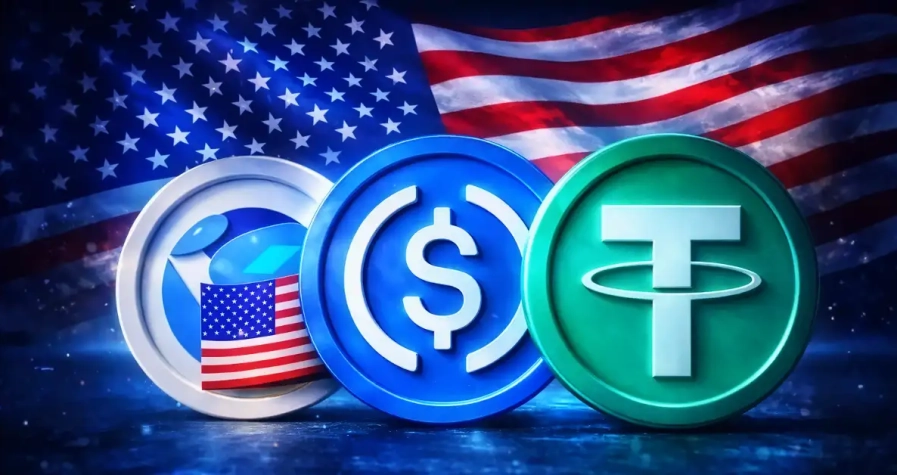
Treasury yields are a baseline rate markets use to price relatively safe dollar returns, and they increasingly shape expectations for stablecoin design and tokenized cash products. In practice, that keeps the US Treasury yield near the center of credibility discussions for issuers and platforms. In 2026, traders and risk teams are watching how quickly stablecoins transmit policy rate shifts into onchain lending and cash-like tokens, and how closely tokenized Treasury products mirror traditional instruments. As indicated by available reports from CoinDesk, there appears to be fresh Washington momentum around stablecoin and tokenization policy, which markets reportedly read as a signal that reserves, disclosures, and liquidity standards will be judged against Treasury market norms.
Policy Signals: Treasury Tone and Benchmark Rates
Policy messaging from the US Treasury is starting to carry more weight in how banks and asset managers judge dollar-linked crypto products. In remarks cited by CoinDesk, Treasury Secretary Scott Bessent reportedly argued that stablecoins and tokenization can modernize market plumbing while keeping strong standards in view. On July 22, 2026, CoinDesk also detailed a new Clarity Act draft that makes an ethics rule temporary, a practical step toward more workable stablecoin rules (https://www.coindesk.com/policy/2026/07/22/new-clarity-act-emerges-that-s-a-start-on-the-final-draft-makes-ethics-rule-temporary), and for broader context on oversight and market plumbing, see Clarity Act Stablecoin Regulation: BIS Warns on Controls. Traders have connected that tone to risk-free pricing, treating government bond rates as a reference for what a credible digital dollar should track in stressed markets.
Onchain Cash, Tokenized Treasuries, and Yield Pass-Through
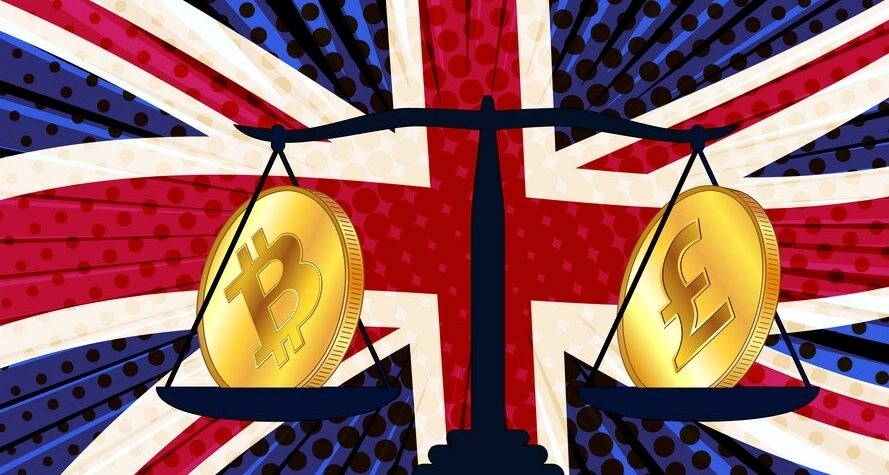
A market reality is that tokenized cash and tokenized Treasury products will be evaluated on how cleanly they pass through rate changes and how robustly they handle redemptions. When the US Treasury yield moves, stablecoin issuers face pressure to show that reserve management, custodial arrangements, and liquidity buffers can keep a token near par without hidden leverage. CoinDesk highlighted that even UK digital bond plans hinge on one missing piece: usable onchain cash, reportedly reinforcing that settlement assets must behave like real cash substitutes in volatile sessions (https://www.coindesk.com/business/2026/07/22/uk-digital-bond-plans-hinge-on-one-missing-piece-onchain-cash), and related analysis is available at US Treasury Yield Impact From Stablecoins and Tokenization. That is why treasury desks monitor not just headline rates but how quickly onchain money markets adjust.
Compliance Stress Tests: Disclosures, Custody, and Runs
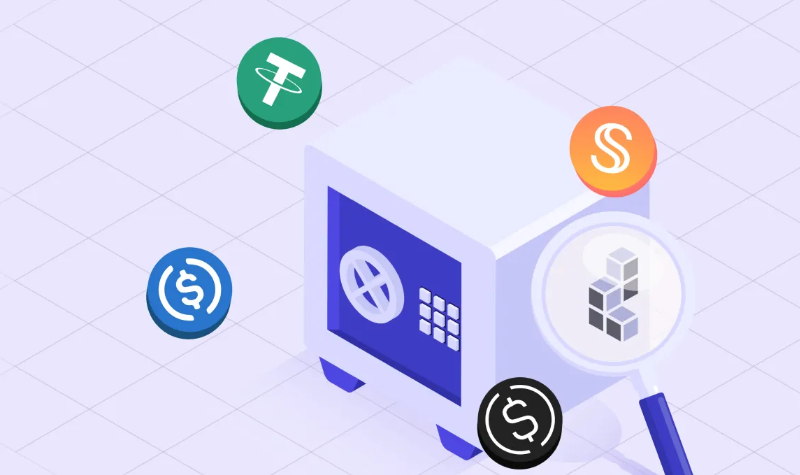
The credibility boost does not remove hard questions about where stablecoin activity lands in existing securities and banking frameworks. On July 22, 2026, SEC Commissioner Hester Peirce warned that some DeFi vaults and onchain lending structures may fall under securities laws, according to CoinDesk (https://www.coindesk.com/policy/2026/07/22/sec-s-peirce-warns-some-defi-vaults-onchain-lending-may-fall-under-securities-laws), a reminder that yield-bearing wrappers can trigger different obligations than simple payment tokens. Issuers and platforms still have to prove reserves are bankruptcy remote and redemption mechanics work under concentrated outflows, standards regulators may compare to cash management products. If government rates rise, the opportunity to earn more on reserves can also increase scrutiny of duration, counterparties, and transparency.
Outlook: What to Watch as the US Treasury Yield Shifts
What comes next is a convergence between regulatory text, bank risk appetite, and the operational reality of tokenized settlement. In this 2026 outlook, the US Treasury yield is one of the signals institutions track alongside supervisory guidance when deciding whether to expand stablecoin and tokenization pilots. If the Treasury posture remains supportive, large institutions may justify pilots that connect tokenized cash to tokenized Treasuries where settlement speed and collateral mobility offer measurable benefits. For deeper rule-focused context, see Clarity Act stablecoin regulation: rules, impact, and risks, while adoption still depends on transparent reserve reporting, clear supervisory authority, and interoperability that does not sacrifice compliance controls. The market will keep checking stablecoin behavior against traditional rates, and the US Treasury yield often serves as shorthand for whether a token stays aligned with dollars in calm and volatile sessions.